
John Gay's The Beggar's Opera, produced in…
1728 CE
John Gay's The Beggar's Opera, produced in 1728, is perhaps the most prominent play based on the life of Jack Sheppard.
Sheppard is the inspiration for the figure of Macheath; his nemesis, Peachum, is based on Jonathan Wild.
The play is spectacularly popular, restoring the fortune that Gay had lost in the South Sea Bubble, and will be produced regularly for over one hundred years.
An unacted but published play The Prison-Breaker had been turned into The Quaker's Opera (in imitation of Gay's The Beggar's Opera) and performed in 1725 and 1728 at Bartholomew Fair.
The Beggar's Opera two centuries later, in 1929, will serve as the basis for The Threepenny Opera of Bertolt Brecht and Kurt Weil.
Sheppard's tale may also have been an inspiration for William Hogarth's 1747 series of twelve engravings, Industry and Idleness, which shows the parallel descent of an apprentice, Tom Idle, into crime and eventually to the gallows, beside the rise of his fellow apprentice, Francis Goodchild, who marries his master's daughter and takes over his business, becoming wealthy as a result.)
Locations
Subjects
Regions
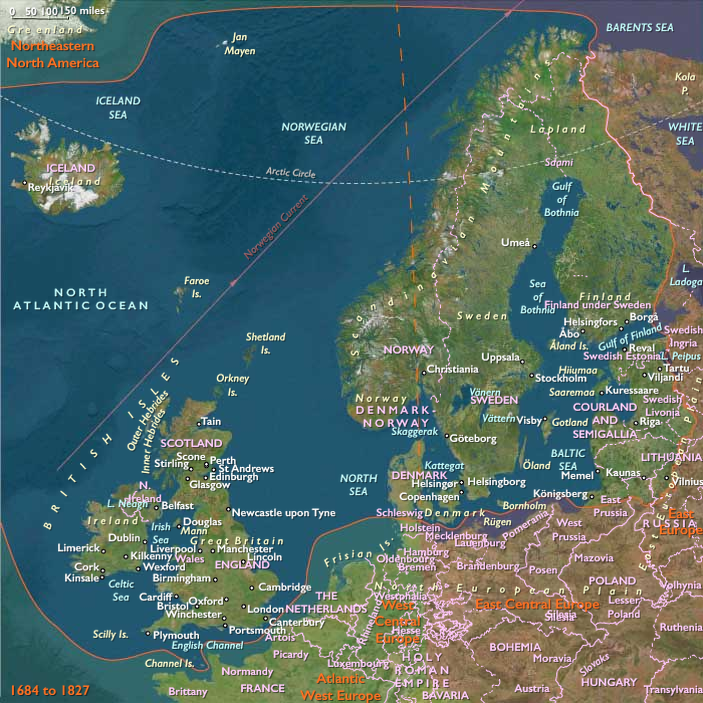
North Europe
View →Subregions
