
Northeastern North America (244 to 387 CE):…
244 CE to 387 CE
Northeastern North America
(244 to 387 CE): Hopewell Climax and Emerging Regional Diversity
Between 244 and 387 CE, societies across Northeastern North America experienced the height and gradual transformation of the Hopewell cultural tradition, marking the zenith of Middle Woodland complexity. This period was characterized by continued monumental earthworks, sophisticated ceremonial practices, refined artistic craftsmanship, stable agriculture, and extensive trade networks. While Hopewell culture flourished, regional traditions became increasingly distinct, leading to greater cultural diversification and localized expressions of community identity.
Agricultural Stability and Economic Diversification
Throughout the Ohio Valley, Great Lakes region, and adjacent areas, communities continued intensive agricultural practices, cultivating squash, pumpkins, sunflowers, marsh elder, and native plants, with maize still limited but steadily gaining importance. This agricultural productivity enabled larger, sedentary communities, reinforcing stable settlement patterns and defined territorial boundaries.
Coastal and riverine societies persisted in their productive fishing, hunting, and gathering economies, evidenced by continued accumulation of extensive shell middens along Atlantic coasts and inland waterways.
Hopewell Tradition’s Cultural Climax
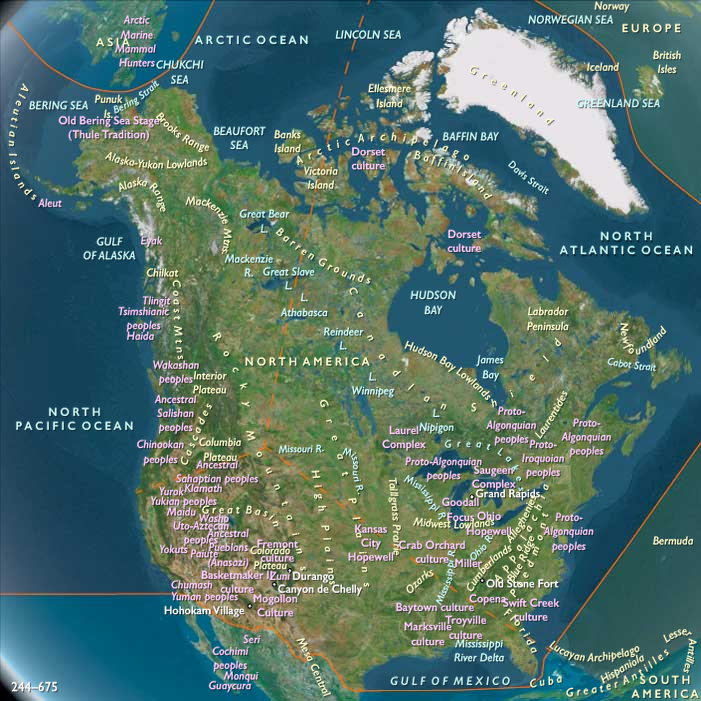
The Hopewell tradition (circa 200 BCE–400 CE) reached its cultural peak during these decades, especially across southern Ohio and the surrounding Midwest. Communities erected monumental ceremonial centers with elaborate geometric earthworks, exemplified by renowned sites like Newark Earthworks, the Seip Mound Group, and Mound City. These ceremonial complexes demonstrated sophisticated engineering, precise astronomical alignments, and profound ritual significance.
Elite burials featured luxurious ceremonial goods, including polished obsidian blades, ceremonial copper and mica artifacts, finely crafted stone pipes portraying realistic animal and human forms, marine shells, and intricately decorated pottery. These elaborate burial practices underscored complex social hierarchies, ceremonial authority, and highly structured community organization.
Regional Expressions and Diversification
As the Hopewell tradition reached its climax, distinct regional expressions emerged and solidified. In western Michigan, the Norton Mound Group, near present-day Grand Rapids, represented the core of Hopewellian activity in this region. Established around 400 BCE, the Norton Mounds served as significant ceremonial and burial sites for centuries, but work on these monumental earthworks ceased after approximately 280 CE, reflecting a broader regional transformation away from central Hopewell ceremonialism toward increasingly localized traditions.
In the Upper Mississippi River region—especially Wisconsin, Iowa, and Minnesota—the distinctive effigy mound tradition continued to thrive, characterized by earthen mounds in animal shapes symbolizing spiritual beliefs, regional identity, and social hierarchies. Sites such as Effigy Mounds National Monument exemplified this ongoing regional ceremonial tradition, distinct yet interconnected with the broader Hopewell sphere.
Similarly, the Goodall Hopewell tradition in southwestern Michigan and northern Indiana persisted, adapting Hopewell ceremonialism and mound-building practices into localized cultural forms, even as central Hopewell influence waned.
The Swift Creek Tradition and Southeastern Connections
In the southeastern United States, the Swift Creek culture (beginning around 100 CE) continued its regional development, becoming notable for ceremonial mound-building and distinctive earthenware pottery decorated with complex stamped designs. Although generally less sedentary, Swift Creek peoples participated in the wider Hopewellian exchange system, reflecting broader interregional connectivity. The related Santa Rosa–Swift Creek culture further illustrated regional diversification within Hopewell traditions.
Conclusion of Intensive Use at Meadowcroft Rockshelter
By this period, Meadowcroft Rockshelter, located in southwestern Pennsylvania—the oldest known Native American cultural site in North America—saw the end of its period of heaviest use. Occupied intermittently over thousands of years, Meadowcroft had served as an important shelter and settlement area, with intensified occupation peaking in earlier periods. Its declining use around this era symbolizes broader shifts in settlement patterns toward permanent villages and specialized ceremonial centers elsewhere in the region.
Artistic Excellence and Technological Sophistication
Hopewell artisans reached exceptional levels of craftsmanship, skillfully working exotic materials like native copper, silver, mica, obsidian, marine shells, and meteoric iron. Ceremonial artifacts and artistic objects—such as intricately carved stone pipes, delicate mica and copper adornments, and polished stone tools—highlighted symbolic expression and artistic sophistication. Pottery traditions evolved further, producing increasingly thin-walled, intricately decorated vessels that reinforced regional identities.
Expanded Trade Networks and Interregional Connectivity
Hopewell communities sustained expansive long-distance trade networks, exchanging copper, mica, obsidian, marine shells, high-quality lithic materials, and ceremonial artifacts across vast regions. This trade reinforced regional integration, cultural interaction, and technological diffusion, enhancing cultural cohesion across diverse populations.
Tobacco Ritualism and Ceremonial Symbolism
Ceremonial tobacco pipes, intricately carved or molded from stone and clay, maintained central ritual roles, symbolizing communal identity, social hierarchy, and spiritual beliefs. Tobacco smoking rituals featured prominently in mound burials and ceremonial contexts, emphasizing the importance of ritual symbolism within Hopewellian societies.
Arctic and Subarctic Continuity
In northern areas, Arctic and subarctic Paleo-Eskimo groups persisted in specialized hunting economies (musk oxen, caribou, marine mammals, arctic hare). These populations continued demonstrating resilience and adaptation in challenging northern environments, maintaining cultural presence in Greenland, Labrador, and northern Canada.
Coastal and Riverine Economies
Atlantic coastal and inland riverine communities maintained intensive aquatic resource exploitation, employing advanced fishing infrastructure (nets, weirs, traps) to sustain stable populations and defined territorial boundaries, supporting social organization and resource management.
Social Complexity and Leadership Structures
Hopewell societies structured their communities with clearly defined leadership roles responsible for coordinating mound construction, communal rituals, agricultural production, and trade interactions. Elite burials accompanied by prestigious grave goods reflected emerging social hierarchies, ceremonial specialization, and increased political organization.
Ritual Complexity and Symbolic Expression
Ceremonial practices reached exceptional complexity, characterized by burials incorporating red ocher, copper adornments, polished obsidian and stone tools, intricate pottery vessels, marine shell ornaments, and symbolic mica cutouts. These artifacts reinforced communal identities, social hierarchies, and spiritual beliefs, demonstrating profound cultural sophistication.
Legacy of the Age
The era from 244 to 387 CE represented the cultural climax and initial diversification of the Hopewell tradition across Northeastern North America. Monumental ceremonial centers, intensive agriculture, sophisticated artistry, and expansive trade networks profoundly shaped regional cultures. Distinctive regional developments—including the cessation of activity at Norton Mound Group, the decline of Meadowcroft Rockshelter’s intensive use, and the flourishing effigy mound and Swift Creek traditions—highlighted a shift toward increased localism and regional diversity. Collectively, these transformations laid essential foundations for subsequent indigenous cultures, leaving enduring legacies of ceremonial elaboration, social complexity, and regional differentiation across Northeastern North America.
Topics
Commodities
Subjects
Regions
Northern North America
View →Subregions
