Brittanny, Duchy of
Substate | Defunct
936 CE to 1547 CE
The Duchy of Brittany (Breton: Dugelezh Breizh, French: Duché de Bretagne) is a medieval tribal and feudal state that exists between 936 and 1547, covering the northwestern peninsula of Europe, bordered by the Atlantic Ocean on the west and the English Channel to the north, and less definitively by the Loire River to the south and Normandy and other French provinces to the east.The Duchy was preceded by a number of early kingdoms and can trace its formal origins to the expulsion of Viking occupiers in 937.
The Duchy is merged into the Kingdom of France as a province by 1532, and is eliminated in 1792 during the formation of the French system of départements during the French Revolution.
Worlds
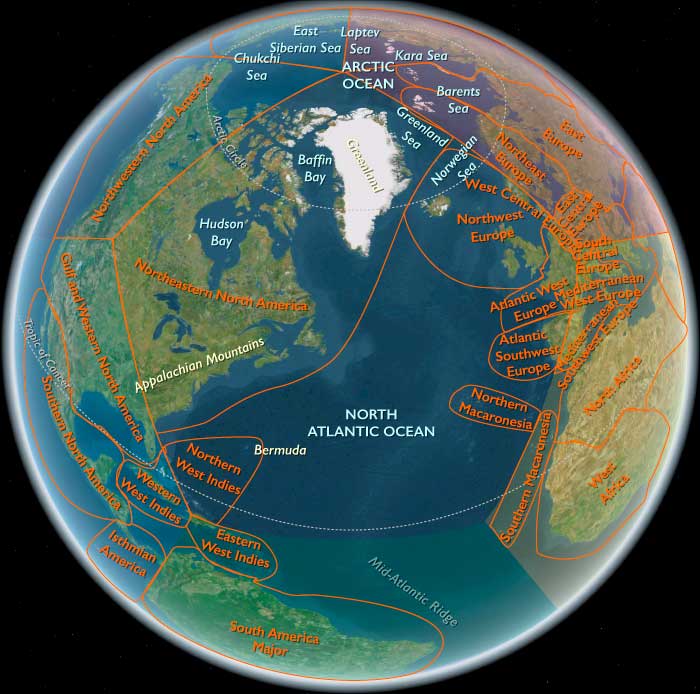
The Atlantic Lands
View →Related Events
Showing 10 events out of 348 total
Æthelstan’s Role in the Restoration of Alan II of Brittany and Louis IV of West Francia (936)
Æthelstan, King of England (924–939), played a significant role in supporting dispossessed young royals, acting as a foster-father to exiled princes and using English resources to restore legitimate rulers to their thrones. In 936, he assists two young rulers in reclaiming their hereditary lands:
- Alan II, Duke of Brittany, regaining his duchy from the Vikings.
- Louis IV of West Francia, returning to the Frankish throne after the death of King Rudolph.
Æthelstan Aids Alan II in the Reconquest of Brittany
- Alan II Wrybeard, the son of Count Mathuedoï of Poher, had fled to Æthelstan’s court in England after Brittany was overrun by Viking forces in 919.
- Having spent years in exile under Æthelstan’s protection, Alan gains English support to reclaim his lands.
- In 936, Æthelstan sends an English fleet to support Alan’s return, allowing him to drive out the Vikings and reestablish his rule in Brittany.
- This marks the beginning of the Breton Reconquest, restoring Breton independence and weakening Viking control in western Francia.
Æthelstan Helps Louis IV Take the Throne of West Francia
- Louis IV, son of Charles the Simple and Eadgifu of Wessex (Æthelstan’s half-sister), had been living in exile in England since 923, following his father’s imprisonment by Herbert II of Vermandois.
- After the death of King Rudolph of Burgundy in 936, the West Frankish throne was vacant, leading to political maneuvering among the nobility.
- Hugh the Great, the most powerful noble in West Francia, orchestrates Louis’ return, likely to prevent rivals like Herbert II of Vermandois or Hugh the Black (Rudolph’s brother) from taking the throne.
- With Æthelstan’s backing, Louis IV returns to West Francia and is crowned King at Laon by Artald, Archbishop of Reims, on June 19, 936.
Significance of the 936 Restorations
-
Æthelstan’s Influence Beyond England
- These actions showcase Æthelstan’s role as a pan-European power broker, shaping the political future of both Brittany and West Francia.
-
Restoration of Carolingian Rule in West Francia
- Louis IV’s return revives the Carolingian dynasty, though he will struggle for power against Hugh the Great and regional lords.
-
Brittany’s Independence Reestablished
- Alan II’s return ends Viking rule in Brittany, restoring the duchy as a powerful buffer between Normandy and West Francia.
-
Hugh the Great’s Growing Power
- Though he supports Louis IV’s return, Hugh the Great remains the real power behind the throne, setting the stage for future conflicts between the monarchy and the Robertians.
Conclusion: Æthelstan’s Strategic Diplomacy in 936
Through his support for Alan II and Louis IV, Æthelstan strengthens English influence in France, demonstrating the interconnected nature of early medieval European politics. While his aid restores legitimate rulers, both Brittany and West Francia remain politically unstable, foreshadowing further struggles between regional lords and the monarchy.
William Longsword’s Marriages and Political Alliances (935–936)
By the mid-930s, William Longsword, Duke of Normandy, consolidates his political influence through two strategic marriages—one arranged for his sister Adela (Gerloc) and another for himself. These marriages strengthen his ties with the powerful nobles of West Francia, marking a shift in Norman diplomacy.
1. The Marriage of Adela (Gerloc) to William III of Poitou (935)
- In 935, William arranges a marriage between his sister, Adela (Gerloc in Norse tradition), and William III, Count of Poitou.
- The marriage is approved by Hugh the Great, Duke of the Franks, indicating William’s growing integration into West Frankish noble politics.
- This alliance links Normandy with Poitou, strengthening William’s relations with southern Francia and enhancing Normandy’s political reach beyond the Seine Valley.
2. William’s Own Marriage to Luitgarde of Vermandois (936)
- In 936, William marries Luitgarde, daughter of Herbert II, Count of Vermandois, one of the most powerful nobles in West Francia.
- Her dowry includes the lands of Longueville, Coudres, and Illiers-l’Évêque, expanding William’s territorial control into the heart of Francia.
- By marrying into the House of Vermandois, William cements an alliance with one of the most influential noble families in the kingdom.
3. A Shift in Loyalty: From Opposition to Alliance
- Unlike his father Rollo, who had opposed Herbert II of Vermandois and King Rudolph, William aligns himself with them.
- William now supports King Rudolph (Raoul) of Burgundy, whereas Rollo had once been loyal to Charles the Simple.
- His new alliance with Herbert II of Vermandois shows a pragmatic shift in Norman politics, as William seeks to strengthen his position within West Francia.
Impact of William’s Political Marriages
-
Integration of Normandy into Frankish Feudal Politics
- These alliances bring Normandy further into the West Frankish noble network, strengthening William’s political legitimacy.
-
Expansion of Norman Influence
- The marriage to Luitgarde of Vermandois gives William lands beyond Normandy, increasing his control over strategic regions.
-
Realignment of Norman Loyalties
- Unlike Rollo, who had opposed Herbert II and King Rudolph, William now supports them, adapting to new political realities in Francia.
Conclusion: William Longsword’s Shift Toward Feudal Nobility
Through these marriages and shifting alliances, William Longsword positions Normandy as an integrated part of West Frankish politics, ensuring continued Norman stability and influence. His ties to powerful noble families, particularly through Vermandois and Poitou, lay the groundwork for Normandy’s future rise as a major feudal power in France.
Hugh the Black’s Challenge to Louis IV (936)
- Hugh the Black may have intended to succeed his brother as King of West Francia, though there is no direct evidence that he formally claimed the throne.
- Instead of submitting to Louis IV, he refuses to acknowledge his rule, effectively challenging Carolingian authority in Burgundy.
- This defiance forces Louis IV to act swiftly to prevent a potentially independent Burgundy from emerging.
Louis IV’s Response: Hugh the Great’s Campaign
- To suppress Hugh the Black’s resistance, Louis IV enlists Hugh the Great, the most powerful noble in West Francia and Duke of the Franks.
- Hugh the Great leads a military campaign against Hugh the Black, capturing Auxerre and Sens, key cities in Burgundy.
- Following this military success, Burgundy is divided between Hugh the Great and Hugh the Black, ensuring that neither controls the entire duchy.
The Division of Burgundy (936)
- Hugh the Great gains control over much of Burgundy, further expanding his already vast territories, which include Neustria and regions in northern France.
- Hugh the Black retains part of the duchy, preventing total submission to Carolingian rule but reducing his ability to act independently.
Consequences of the Conflict
-
Strengthening Hugh the Great’s Power
- This victory increases Hugh the Great’s dominance in West Francia, making him the most powerful noble in the kingdom.
- He becomes the kingmaker, holding significant influence over Louis IV’s reign.
-
Weakened Carolingian Control Over Burgundy
- Though Louis IV secures Burgundy through Hugh the Great, he ultimately relies on a powerful noble to enforce royal authority.
- This further weakens direct Carolingian rule, as real power shifts to regional lords.
-
Hugh the Black Remains a Threat
- While weakened, Hugh the Black retains autonomy in part of Burgundy, meaning he continues to be a potential rival.
- His refusal to fully submit reflects the broader decline of centralized royal power in West Francia.
Conclusion: A Step Toward Feudal Fragmentation
The division of Burgundy in 936 marks another step toward the feudal fragmentation of West Francia, as nobles gain more control while the Carolingian monarchy weakens. Though Louis IV secures nominal authority, the real victors are the great magnates—especially Hugh the Great, whose power now rivals that of the king himself.
Alan Barbetorte Reclaims Brittany: The Retaking of Nantes (937)
Alan II Barbetorte ("Twisted-Beard"), the exiled Breton leader, successfully reclaims Nantes in 937, marking a turning point in the reconquest of Brittany from Viking rule. Having spent years in exile in England, Alan returns with military support from King Æthelstan, leading a Breton invasion to restore his ancestral homeland.
Alan Barbetorte’s Exile and Return to Brittany
- After Viking forces, led by Rognvald, conquered Brittany in 919, Alan fled to England, where he was given refuge at the court of King Æthelstan.
- He remained in exile for nearly two decades, waiting for the opportunity to reclaim his duchy.
- In 936, with Æthelstan’s backing, Alan returns to Brittany with a fleet and a well-trained army, beginning the Breton Reconquest.
The Battle for Nantes (937)
- Nantes had been a Viking stronghold for nearly two decades, serving as their capital in Brittany.
- Alan’s Breton forces engage the Norse occupiers in a fierce battle, using guerrilla tactics, cavalry raids, and knowledge of the terrain to their advantage.
- After intense fighting, Alan emerges victorious, and the Vikings lose control of the city.
- The victory at Nantes symbolizes the resurgence of Breton rule and inspires further resistance against Viking occupiers in Brittany.
Impact of Alan Barbetorte’s Victory
-
End of Viking Rule in Brittany Begins
- The fall of Nantes weakens Norse control over the region, marking the beginning of the end of Viking occupation in Brittany.
-
Brittany is Reclaimed as an Independent Duchy
- Alan’s victory allows him to establish himself as Duke of Brittany, restoring Breton sovereignty.
- His rule solidifies Breton independence from both Normandy and West Francia.
-
Continued Breton Resistance
- The war against the Vikings is not over, but Alan’s leadership ensures that Breton forces continue pushing them out of the region.
- Over the next few years, Alan systematically expels Norse forces, securing complete control over Brittany.
Conclusion: The Restoration of Breton Rule
Alan Barbetorte’s victory at Nantes in 937 marks the beginning of the full Breton Reconquest, leading to the reestablishment of Brittany as a powerful independent duchy. Having successfully defeated the Vikings, Alan’s rule ensures that Brittany remains free from Norse domination, paving the way for its continued cultural and political autonomy in medieval Europe.
Alan II Barbetorte Expels the Vikings from Trans (939): The Final Phase of the Breton Reconquest
By 939, Alan II Barbetorte, Duke of Brittany, has successfully led the Breton reconquest against the Vikings who had occupied Brittany since 919. His campaign reaches a decisive moment when he drives the Norse from their stronghold at Trans, near Dol. This marks one of the final battles in the struggle to reclaim Brittany from Viking rule.
The Viking Stronghold at Trans
- Since the early 10th century, Viking forces had established fortifications in Brittany, including at Nantes, Dol, and Trans.
- Trans, near Dol, served as an important Norse stronghold, allowing the Vikings to control trade routes and launch further raids into the interior.
- Alan II, after his victories at Nantes (937) and other key locations, now turns his attention to expelling the remaining Viking forces from Brittany.
The Battle of Trans (939)
- Alan II leads a Breton force to besiege the Viking stronghold at Trans.
- After a fierce engagement, Alan’s troops overrun the Viking fort, forcing the Norse to retreat from the region.
- This breaks the last major Viking foothold in Brittany, ensuring that Breton rule is fully restored.
Consequences of the Breton Victory
-
The Final Expulsion of the Vikings from Brittany
- With Trans recaptured, the Norse occupation of Brittany effectively ends.
- Though occasional raids may continue, Brittany is now fully back under Breton control.
-
Alan II Becomes the Uncontested Duke of Brittany
- His successful military campaigns make Alan II the unquestioned ruler of Brittany, strengthening the duchy’s autonomy.
- His restoration of Breton independence ensures that Brittany will remain a distinct entity from West Francia and Normandy.
-
The Rebuilding of Brittany
- With the Viking threat removed, Alan focuses on reconstruction, restoring churches, monasteries, and trade routes that had been devastated during the Viking occupation.
Conclusion: The Completion of the Breton Reconquest
The recapture of Trans in 939 marks the final major battle in the Breton Reconquest, ensuring that Viking rule in Brittany is permanently ended. Alan II Barbetorte, having successfully expelled the Norse, secures his legacy as the restorer of Breton independence, shaping Brittany’s future as a strong, autonomous duchy in medieval France.
The Rise of Hugh Capet and the Fragmented Kingdom of the Franks (941–956)
Born in 941, Hugh Capet was the son of Hugh the Great, Duke of the Franks, and Hedwige of Saxony, daughter of Henry the Fowler, King of East Francia. His paternal family, the Robertians, were powerful landowners in the Île-de-France, and his lineage was deeply tied to both the Carolingians and the Ottonian rulers of the Holy Roman Empire.
Hugh Capet’s Royal and Noble Connections
- Grandson of King Robert I of West Francia.
- Great-great-great-great-grandson of Charlemagne, descended from Pepin of Italy through his grandmother Beatrice of Vermandois.
- Grandnephew of King Odo of West Francia.
- Related to the Ottonian emperors, being first cousin to Otto II of Germany.
- Son of Hugh the Great, the most powerful noble in West Francia, though he never took the crown.
Hugh the Great’s Role in the Return of Louis IV (936)
- When King Rudolph (Raoul) of Burgundy died in 936, Hugh the Great orchestrated the return of Louis IV ("d’Outremer"), son of the deposed Charles the Simple, from exile in England.
- Motives remain unclear, but possible reasons include:
- Preventing Rudolph’s brother, Hugh the Black, from claiming the throne.
- Blocking Herbert II of Vermandois or Richard the Fearless, Duke of Normandy, from taking power.
- Though he restored the Carolingian dynasty, Hugh the Great ensured his own dominance, keeping Louis IV as a weak, dependent king.
Hugh Capet Inherits Power (956)
- Hugh the Great dies in 956, leaving his vast estates to his young son, Hugh Capet.
- At the time, Hugh Capet is still a minor, so his mother, Hedwige of Saxony, acts as his guardian.
- Despite his father’s immense influence, Hugh immediately faces challenges from ambitious neighbors.
Loss of Land to Former Vassals
- Theobald I of Blois, a former vassal of Hugh the Great, seizes Chartres and Châteaudun, weakening Hugh’s control in the Loire Valley.
- Fulk II of Anjou, another former client of Hugh the Great, carves out a principality at Hugh’s expense, gaining control over key territories along the Breton border.
The Fragmentation of West Francia
Hugh Capet grows up in a much-reduced West Frankish kingdom, which looks nothing like modern France:
- The king is known as Rex Francorum ("King of the Franks"), not "King of France," a title that will only emerge under Philip II Augustus (1180–1223).
- West Francia is a weak and fragmented realm, with the king controlling only a small portion of the former Carolingian Empire.
- The Holy Roman Empire, ruled by Hugh’s first cousin Otto II and later Otto III, dominates the eastern Frankish lands.
- South of the Loire, the king’s influence is nearly nonexistent, as local rulers act independently.
- Normandy and Burgundy are virtually autonomous, with Hugh’s brothers Otto and Henry ruling Burgundy from 956.
- Brittany is entirely independent, resisting West Frankish authority.
Conclusion: The Future King of a Feudal Kingdom
As Hugh Capet comes of age, he inherits a divided and decentralized realm, where noble power surpasses royal authority. His eventual rise to the throne in 987 will mark the end of Carolingian rule and the beginning of the Capetian dynasty, setting the foundation for the Kingdom of France. However, for now, he remains a young duke in a fractured kingdom, struggling to reclaim lost lands and secure his position.
Bruno the Great: Archbishop, Duke, and Regent of West Francia (956)
Bruno the Great, the younger brother of Otto I of Germany, was not only Archbishop of Cologne (since 953) but also Duke of Lotharingia, making him one of the most powerful figures in 10th-century Europe. His dual authority as both a spiritual and secular ruler earned him the title of "Archduke," as recorded by his biographer Ruotger.
Following the deaths of King Louis IV of West Francia in 954 and Hugh the Great, Duke of the Franks, in 956, Bruno steps in as regent of West Francia, acting on behalf of his nephews:
- Lothair (b. 941), now King of West Francia, the son of Louis IV and Gerberga of Saxony (Bruno’s sister).
- Hugh Capet (b. 941), Duke of the Franks, son of Hugh the Great and Hedwige of Saxony (also Bruno’s sister).
Bruno’s Role as Regent of West Francia (956–965)
-
Maintaining Stability in West Francia
- With Lothair still a minor, Bruno serves as his regent, guiding the young Carolingian king through a period of political instability.
- He also ensures that Hugh Capet, the heir to Hugh the Great, remains a powerful noble but does not threaten the monarchy.
-
Strengthening Ottonian Influence in France
- As maternal uncle to both Lothair and Hugh Capet, Bruno’s regency extends Ottonian influence into West Francia.
- This helps Otto I’s empire maintain a balance of power over its western neighbor, preventing West Francia from falling into complete chaos.
-
Defending Lotharingia and West Francia
- As Duke of Lotharingia, Bruno ensures the stability of this contested region, preventing further West Frankish interference.
- His control over Lotharingia and West Francia places him in a unique position of influence across both realms.
Conclusion: The Most Powerful Man After Otto I
Bruno the Great’s position as both archbishop and duke made him the most powerful man after Otto I in the Holy Roman Empire and beyond. His role as regent of West Francia ensured that Ottonian control extended into France, stabilizing the Carolingian monarchy under King Lothair and managing the rising power of Hugh Capet, setting the stage for the eventual Capetian takeover of France in 987.
The Division of Lotharingia: The End of a Unified Duchy (959)
By 959, Bruno the Great, the Duke of Lotharingia and Archbishop of Cologne, makes a critical administrative decision that permanently ends the unity of Lotharingia. As one of the last dukes of the whole region, Bruno appoints two local nobles, Frederick and Godfrey, as margraves, effectively splitting the duchy into Upper and Lower Lotharingia.
Background: Lotharingia’s Shifting Allegiances
- Originally part of Middle Francia, Lotharingia had long been contested between East and West Francia since the Treaty of Meerssen (870) and the Treaty of Ribemont (880).
- It had shifted from East Francia (Germany) to West Francia (France) and back again, remaining a hotly disputed territory.
- Under Bruno’s rule, Lotharingia was stabilized as part of the Holy Roman Empire, but its vast size and strategic importance made it difficult to govern as a single duchy.
The Division of Lotharingia (959)
To ensure more effective rule, Bruno appoints:
- Frederick I as Margrave of Upper Lotharingia, later recognized as Duke of Upper Lorraine.
- Godfrey I as Margrave of Lower Lotharingia, later known as Duke of Lower Lorraine.
This administrative division is meant to improve governance and military defense but ultimately results in:
- The permanent split of Lotharingia into two distinct duchies.
- A further weakening of centralized control, as regional lords gain more autonomy.
- Continued fragmentation, making Lotharingia a battleground for German, French, and local noble interestsin the following centuries.
Legacy: The Last Duke of a United Lotharingia
- Bruno is one of the last rulers to control all of Lotharingia as a single entity.
- His decision in 959 shapes the future of the region, ensuring that Upper and Lower Lorraine evolve as separate feudal entities.
- This fragmentation reinforces feudal decentralization, marking another step toward the eventual dissolution of the Carolingian world and the rise of independent regional powers.
With Bruno’s death in 965, the once-mighty Lotharingia is permanently divided, reflecting the broader breakdown of centralized authority in medieval Europe.
