
Jeff Moran’s History Atlas
The Interactive Atlas of World History
62,000+ events across 60 subregions and 12 interconnected worlds, from prehistory to the present.
Search worlds, subregions, events, people… SearchTry: silk road · 1453 · maritime trade · Inca
Featured Narratives
Hand-picked events, worlds, regions, and topics. Curated entry points into the atlas.
- Late Medieval Atlantic West Europe Track commerce, institutions, and conflict in Atlantic West Europe during the late medieval centuries.
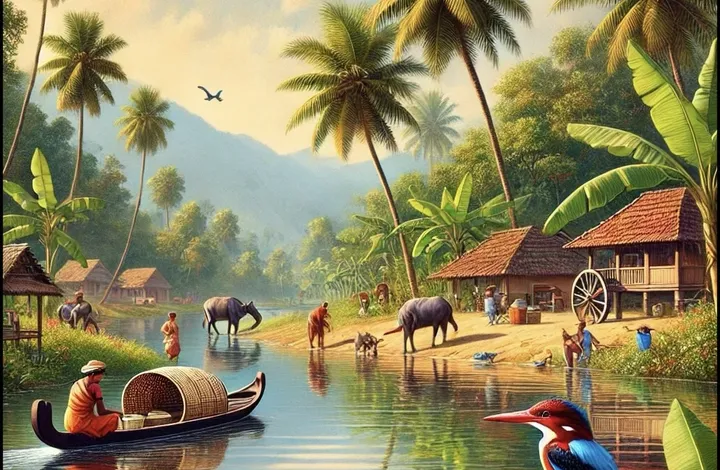
- The Rise of Maritime Southeast Asia Follow ports, empires, and exchange networks that shaped maritime Southeast Asia through time.
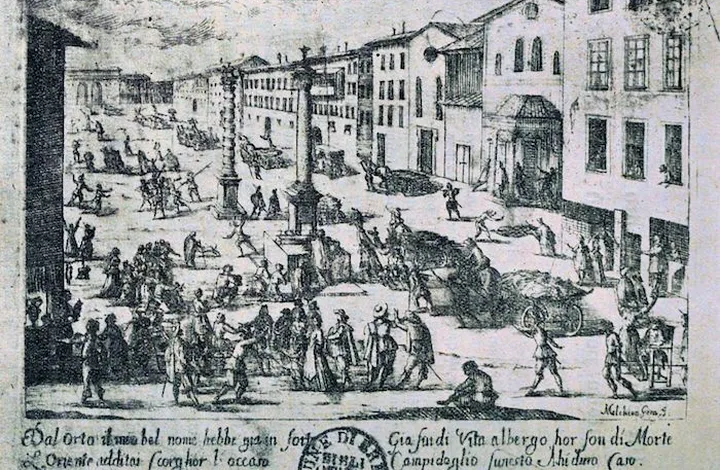
- Public Health Through the Ages Compare how disease, sanitation, medicine, and governance evolved across eras and regions.
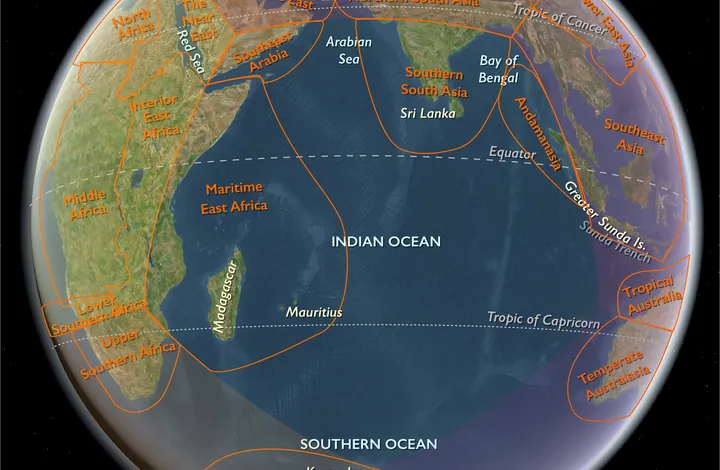
- The Indian Ocean World Explore long-distance trade, migration, and political change across the Indian Ocean basin.

The Twelve Worlds
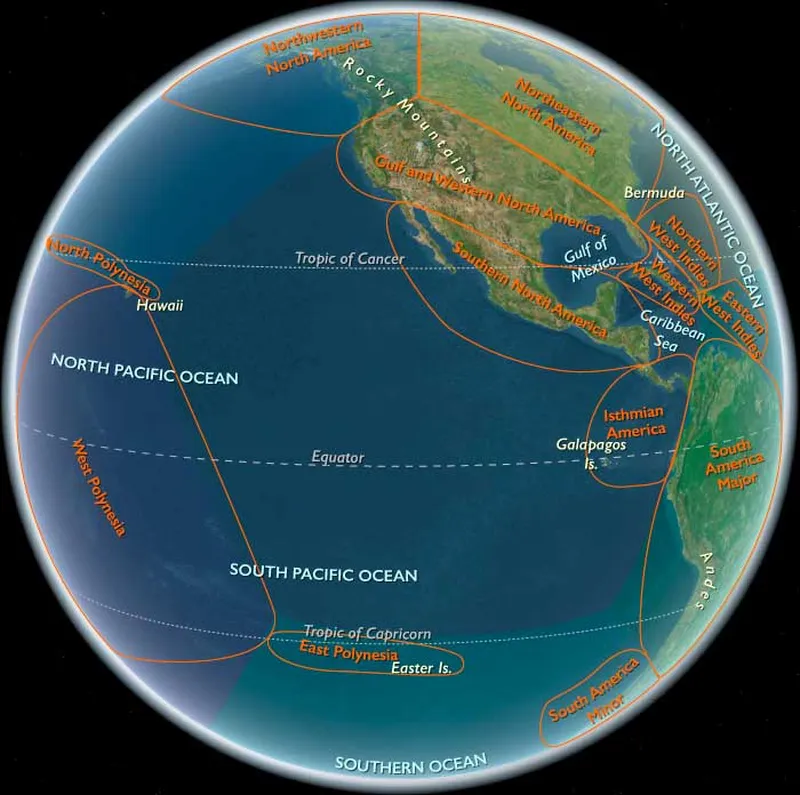
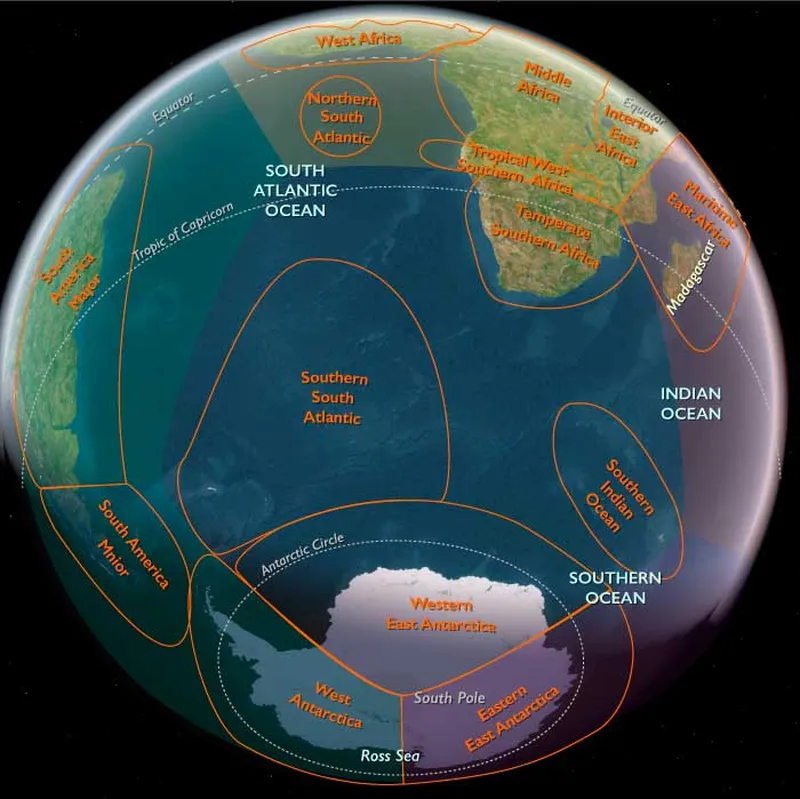
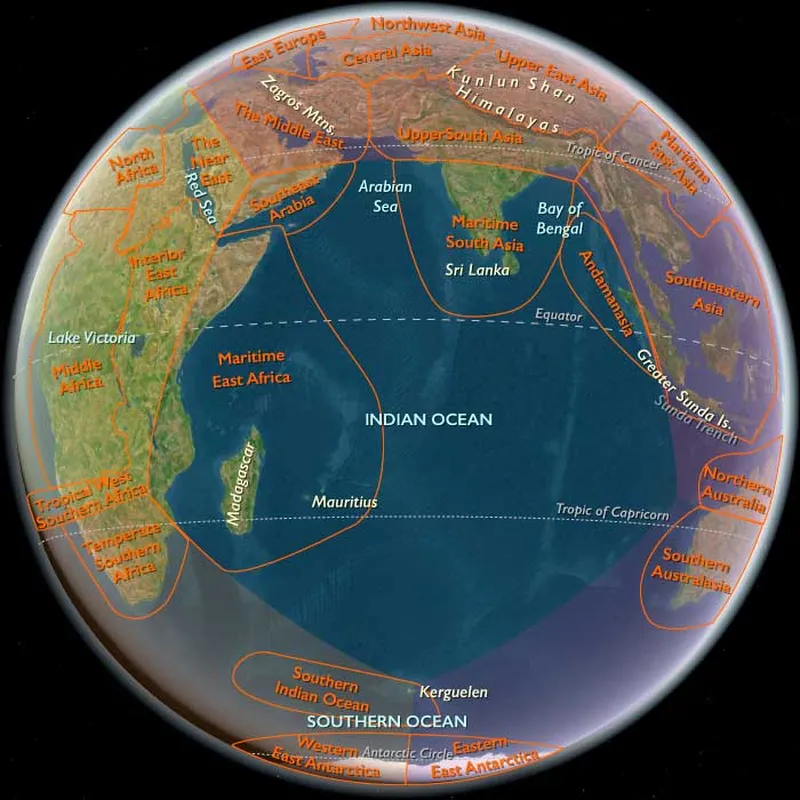
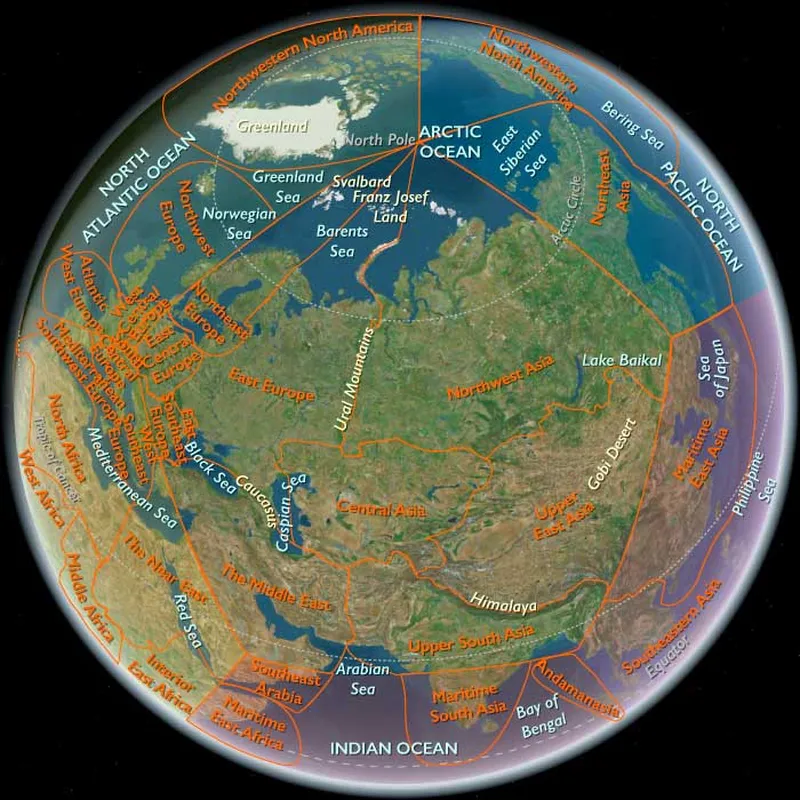
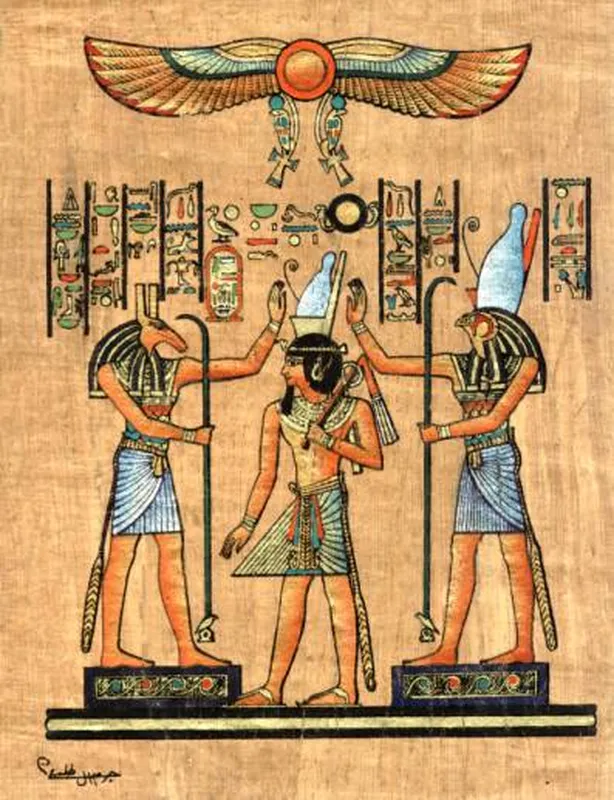
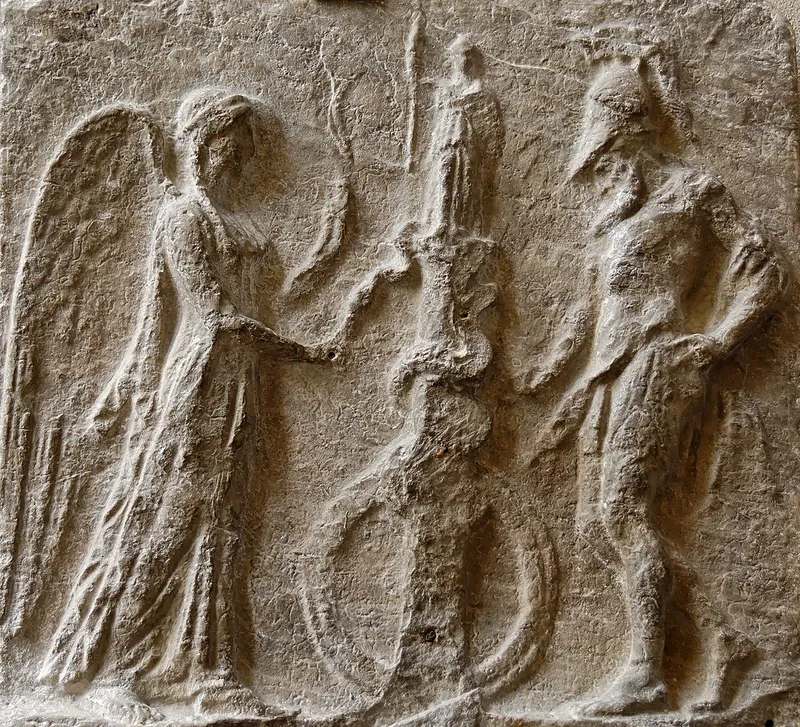
World history grouped into twelve macro-regions, each a distinct civilizational space with its own rhythm of contact and change.
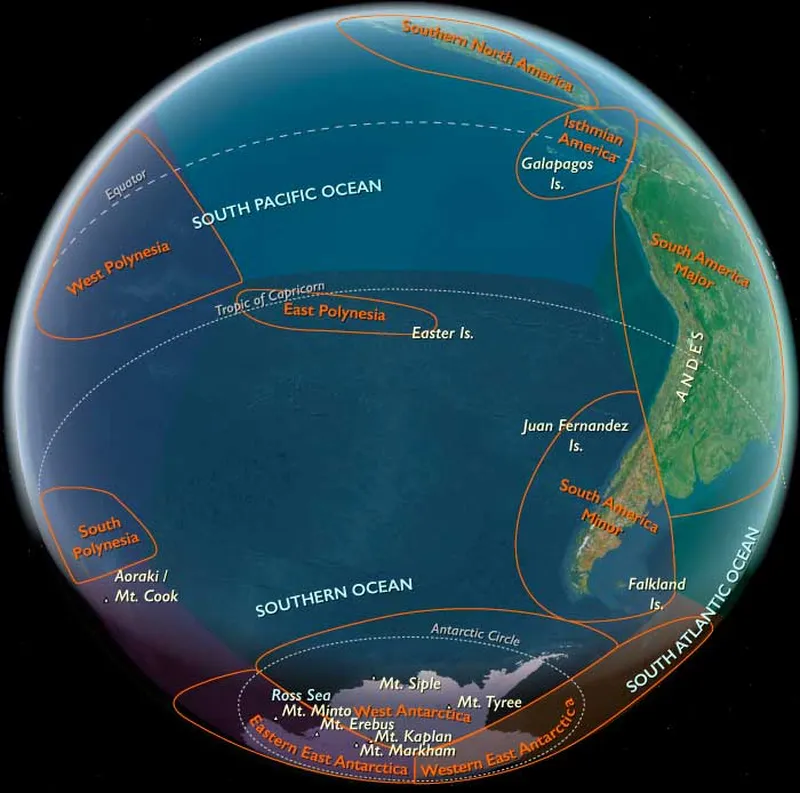
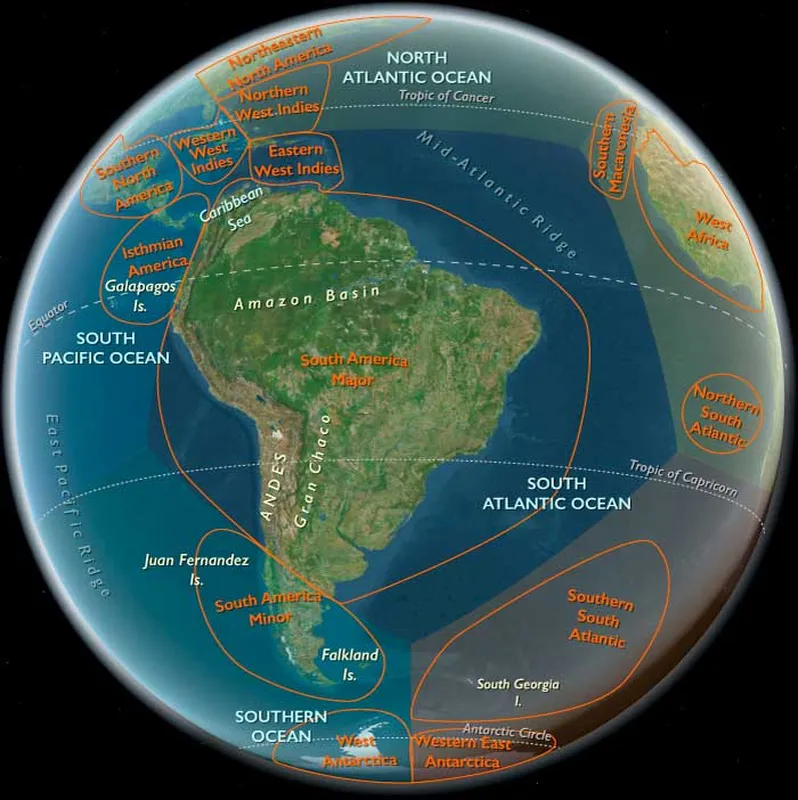
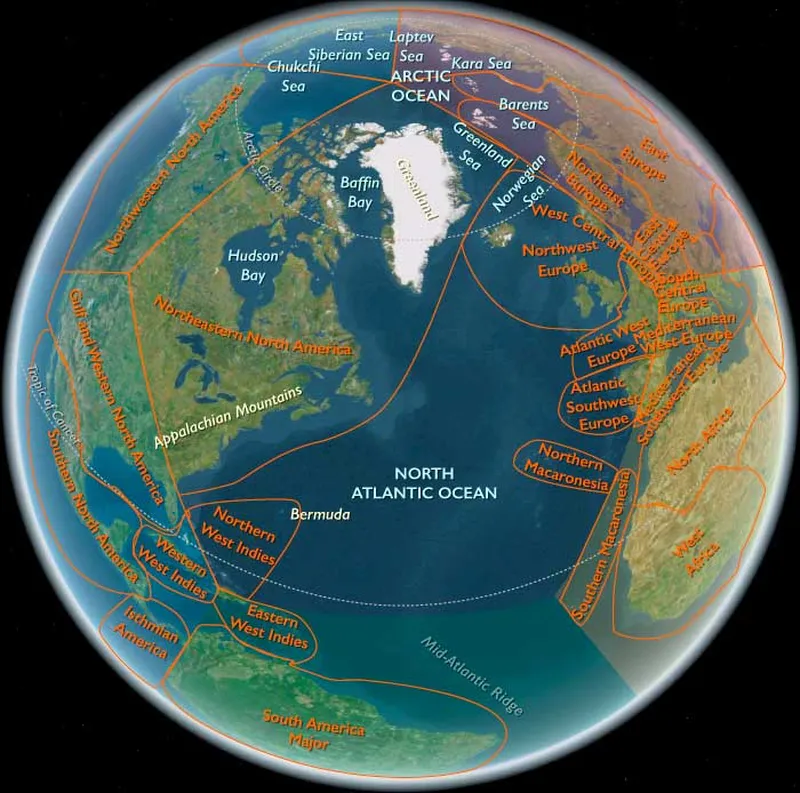
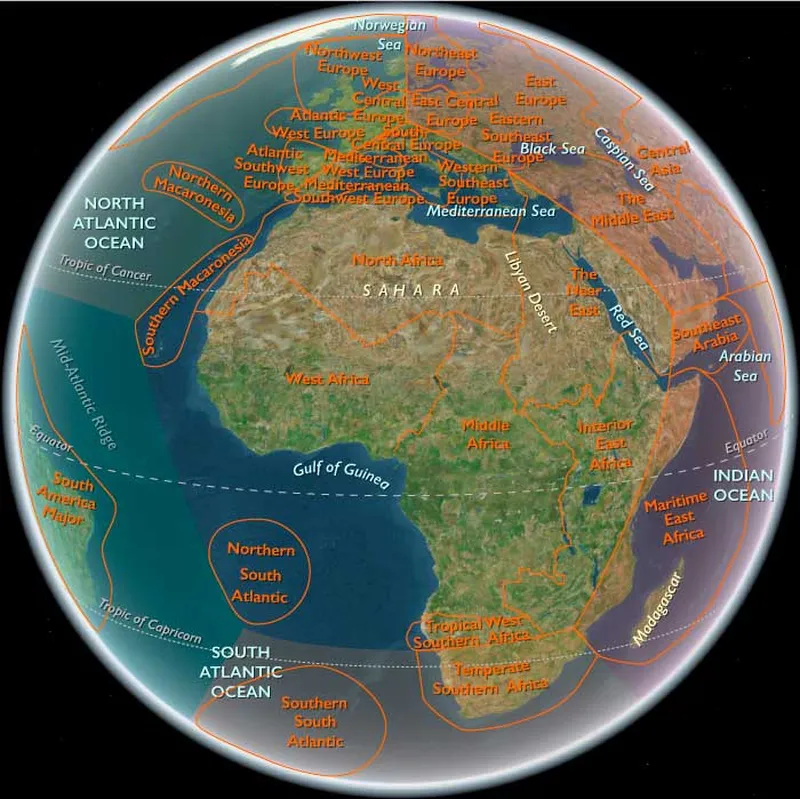
Periods
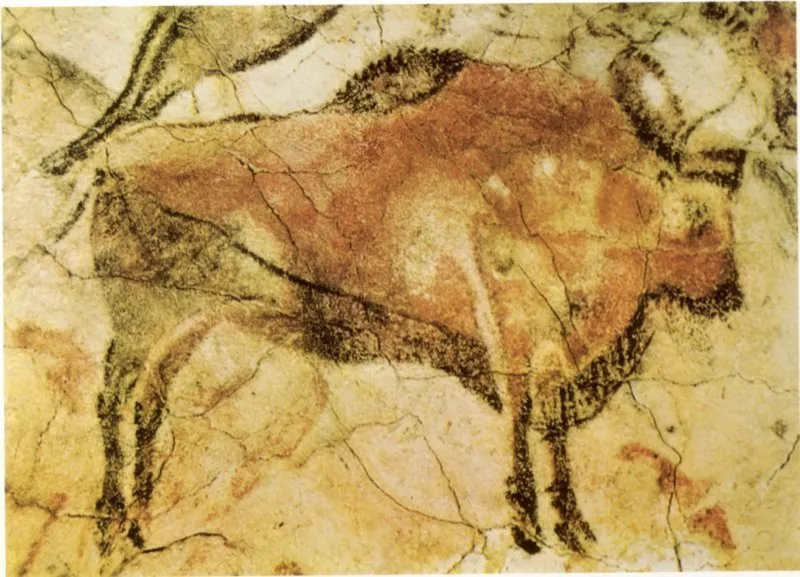
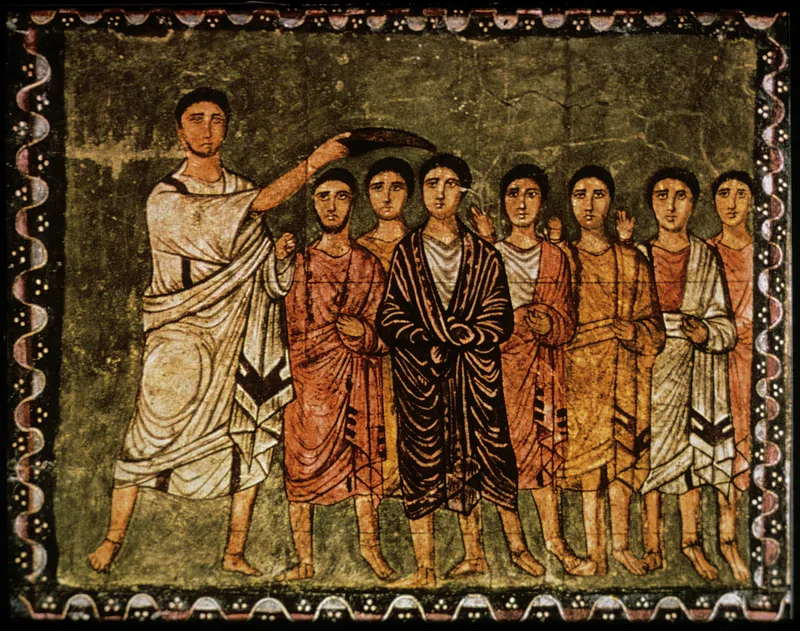
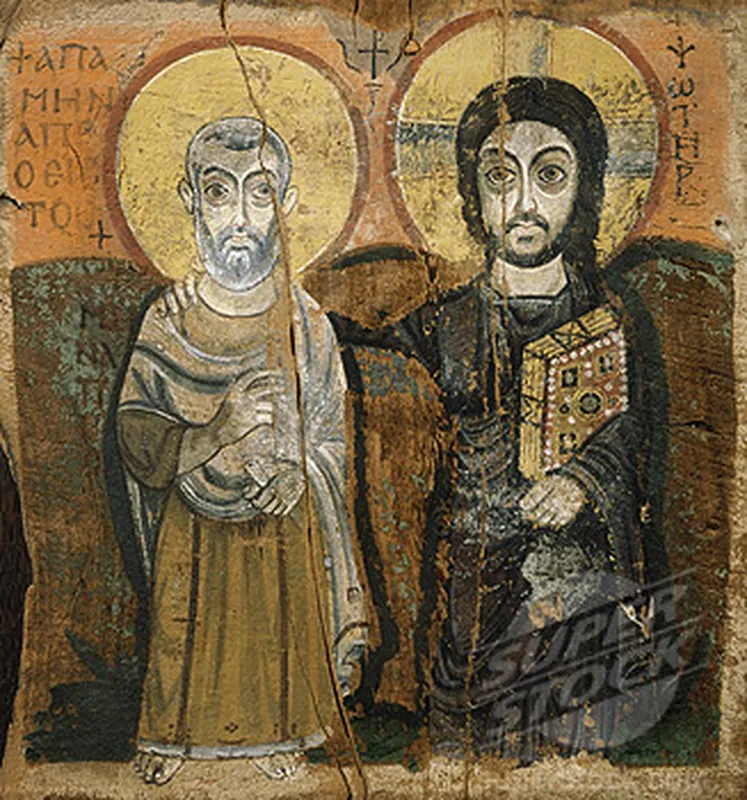
World history segmented into broad chronological eras, each spanning multiple worlds and allowing cross-regional comparison.
How History Atlas Works
Every event is anchored to a consistent time, place, and theme, so you can move across scales quickly.
Nested geography
Four nested scales let you zoom from a whole world down to a single event.
- WorldThe Great Crossroads
- RegionSoutheast Europe
- SubregionEastern Southeast Europe
- LocationConstantinople
- EventFall of Constantinople, 1453
Cross-cutting axes
Themes slice across geography, so a single idea can be traced worldwide.
- PeriodWhen · Pre History, Classical, Medieval…
- SubjectTheme · Trade, Religion, Empire…
- TopicSub-theme · Caravans, Iconoclasm…
- PeopleActors · individual figures
- GroupPolities · states, blocs, peoples
- CommodityGoods · silk, tin, ideas
Time you can scrub
Refine results as you move through history, from broad epochs down to single months.
A separate map slider moves between dated snapshots, so you can explore the shifts in borders and territories across specific spans of time.
About the Project
History Atlas is a long-running effort by Jeff Moran to map the connections between events, places, and people across world history. Open to all and free to use.
Read the full project page →