
Masséna’s Retreat and the Siege of Almeida …
Years: 1811 - 1811
Masséna’s Retreat and the Siege of Almeida and Badajoz (1811)
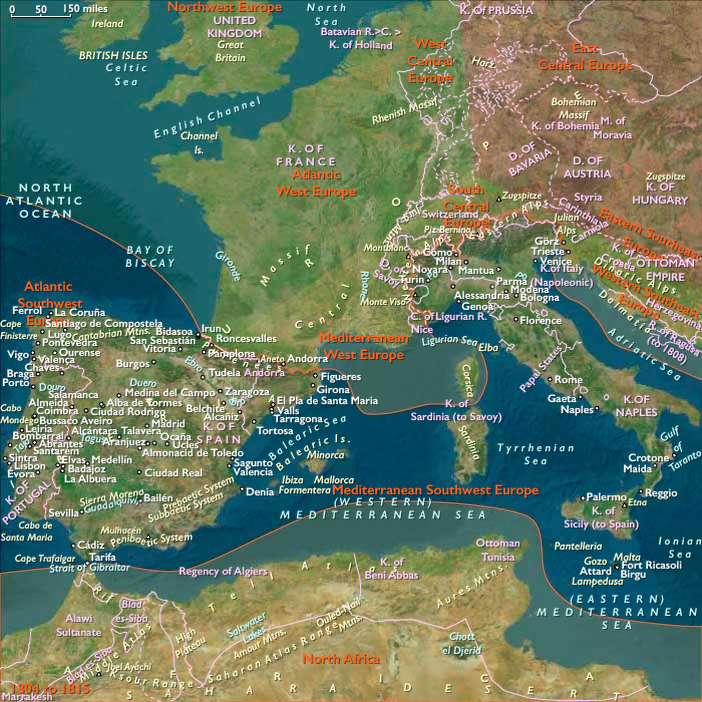
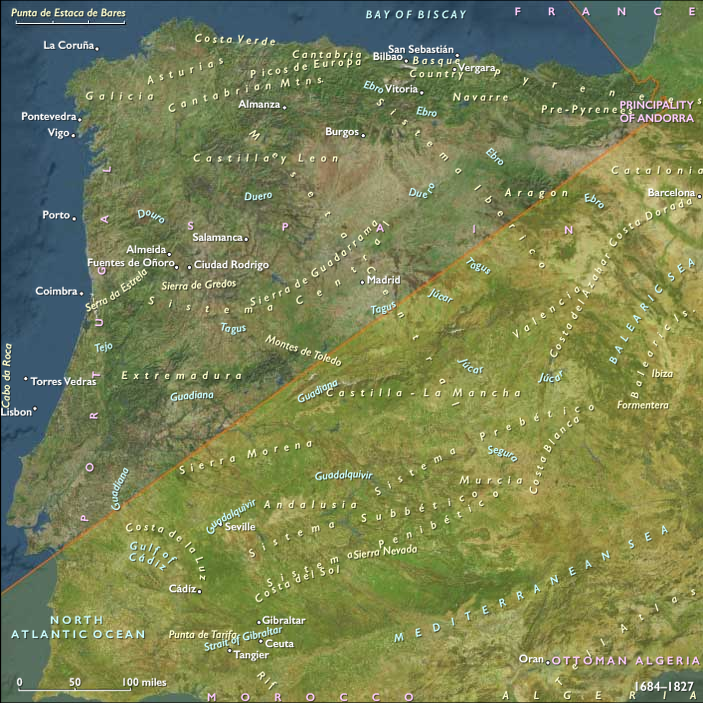
After the failed French invasion of Portugal (1810–1811) and the stalemate at the Lines of Torres Vedras, Marshal André Masséna was forced to retreat into Spain, suffering heavy losses from starvation, disease, and constant harassment by Anglo-Portuguese forces and guerrillas.
With Wellington’s army now on the offensive, the British and Portuguese pursued the retreating French forces, leading to the sieges of Almeida and Badajoz—two critical border fortresses.
Masséna’s Withdrawal from Portugal
- After months of failing to breach the Torres Vedras defenses, Masséna’s army was starving and losing discipline.
- By March 1811, Masséna had no choice but to withdraw, harassed by Portuguese militias and British troops.
- His army suffered heavy attrition during the retreat, with desertions and guerrilla attacks further weakening his forces.
The Sieges of Almeida and Badajoz (1811)
With the French retreating into Spain, Wellington pursued aggressively, leading to the sieges of two key fortresses on the Portuguese-Spanish border:
-
Siege of Almeida (April–May 1811)
- Almeida was a French-held stronghold on the Portuguese frontier.
- British and Portuguese forces laid siege to it, aiming to drive the French out permanently.
- The French garrison eventually attempted a breakout, leading to a dramatic battle before they were forced to surrender.
-
Siege of Badajoz (May–June 1811)
- Badajoz, a vital fortress in Spain, remained under French control, allowing them to threaten Portugal.
- British forces under Wellington besieged the city, engaging in several bloody assaults.
- Although the siege initially stalled, it set the stage for Wellington’s later, brutal storming of Badajoz in 1812.
Conclusion – The Allies Take the Initiative
- Masséna’s retreat from Portugal marked a turning point in the Peninsular War, as the French were now on the defensive.
- With Almeida and Badajoz under siege, the British-Portuguese army had successfully expelled the French from Portugal and was preparing to take the fight into Spain.
- The failure of the third French invasion of Portugal weakened Napoleon’s grip on Iberia, setting the stage for Wellington’s counteroffensive into Spain in 1812–1813.
This phase of the war marked the beginning of the end for French dominance in the Iberian Peninsula, with the Allies gaining momentum and pushing toward victory.
Locations
People
Groups
- Britain (United Kingdom of Great Britain and Ireland)
- France, (first) Empire of
- Spain, Bonapartist Kingdom of
Topics
Commodoties
Subjects
Regions
Subregions
Related Events
Showing 10 events out of 21496 total
Years: 1811 - 1811
Locations
People
Groups
- Britain (United Kingdom of Great Britain and Ireland)
- France, (first) Empire of
- Spain, Bonapartist Kingdom of
Topics
Commodoties
Subjects
Regions
Subregions