
Agitation among the Dutch merchants had further …
Years: 1652 - 1652
July
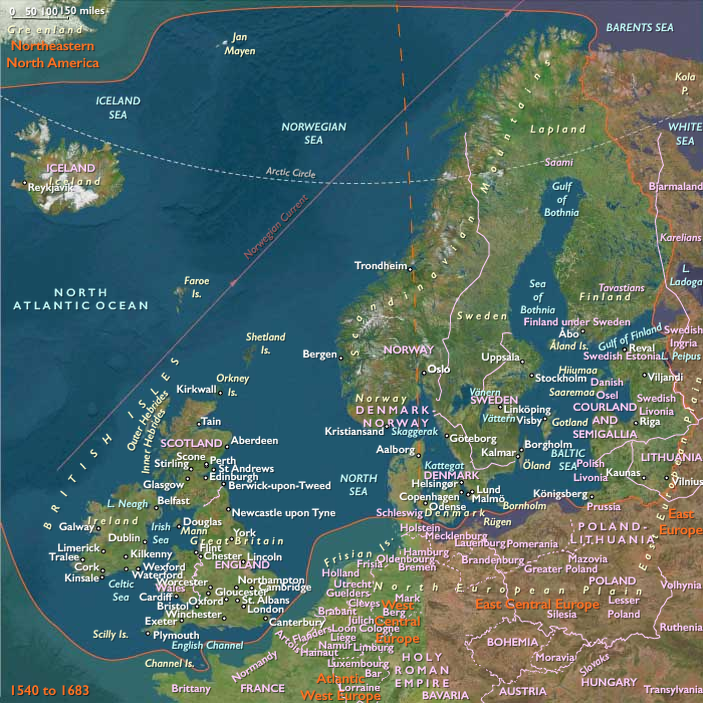
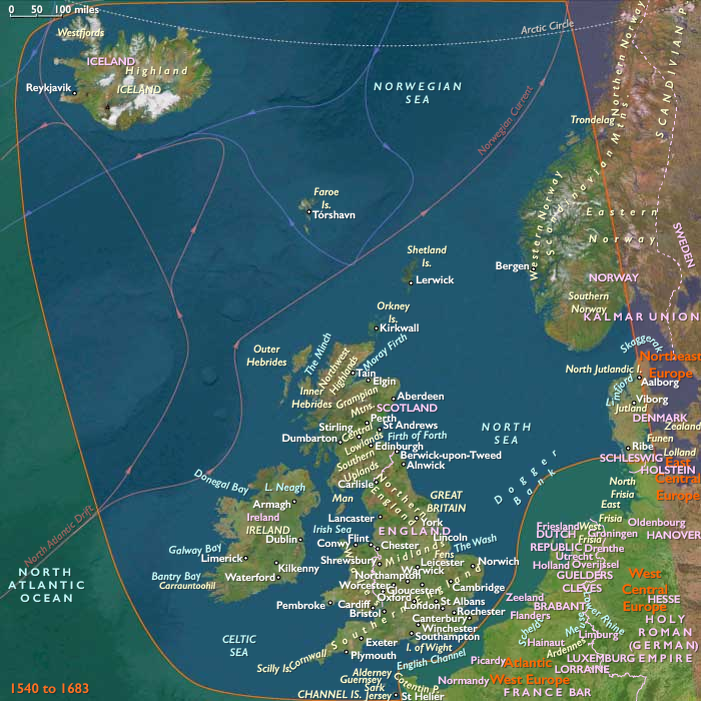
Agitation among the Dutch merchants had further increased by George Ayscue's capture in early 1652 of twenty-seven Dutch ships trading with the royalist colony of Barbados in contravention of an embargo imposed by the Commonwealth.
British privateers between October 1651 and July 1652 capture over a hundred other Dutch ships.
Moreover, the death of Dutch stadtholder William II, who had favored an expansion of the army at the expense of the navy, has led to a change in the defense policy of the United Provinces towards protecting the great trading concerns of Amsterdam and Rotterdam.
Accordingly, the States-General had decided on March 3, 1652 to expand the fleet by hiring and equipping one hundred and fifty merchant ships as ships of war to allow effective convoying against British hostile actions.
The news of this decision had reached London on March 12, 1652 and the Commonwealth too began to prepare for war, but as both nations were unready, war might have been delayed if not for an unfortunate encounter on May 29, 1652 between the fleets of Dutch Lieutenant-Admiral Maarten Tromp and General at Sea Robert Blake in the English Channel near Dover.
An ordinance of Cromwell requires all foreign fleets in the North Sea or the Channel to dip their flag in salute, reviving an ancient right the English had long insisted on, but when Tromp was tardy to comply, Blake had opened fire, starting the brief Battle of Goodwin Sands, in which Tromp lost two ships but escorted his convoy to safety.
The States of Holland had sent their highest official, the Grand Pensionary Adriaan Pauw, to London in a last desperate attempt to prevent war, but in vain: English demands have become so extreme that no self-respecting state can meet them.
War is declared on July 10, 1652, by the English Parliament.
The Dutch diplomats realize what is at stake: one of the departing ambassadors says, "The English are about to attack a mountain of gold; we are about to attack a mountain of iron."
The Dutch Orangists are jubilant however; they expect that either victory or defeat will bring them to power.
Locations
People
Groups
Topics
Commodoties
Subjects
Regions
Subregions
Related Events
Showing 10 events out of 31682 total
Years: 1652 - 1652
July
Locations
People
Groups
Topics
Commodoties
Subjects
Regions
Subregions