
Alfonso III of Asturias: Patron of History, …
Years: 910 - 910
December
Alfonso III of Asturias: Patron of History, Art, and a Troubled Succession
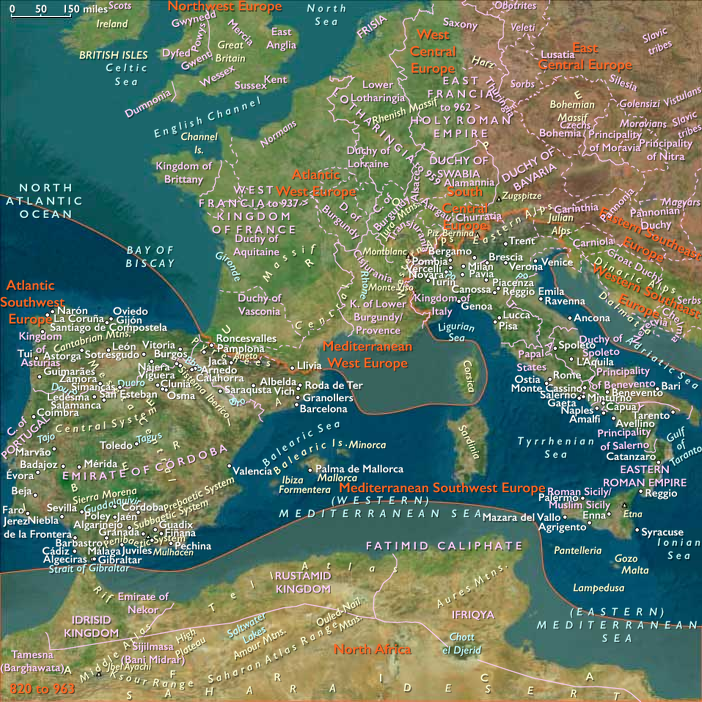
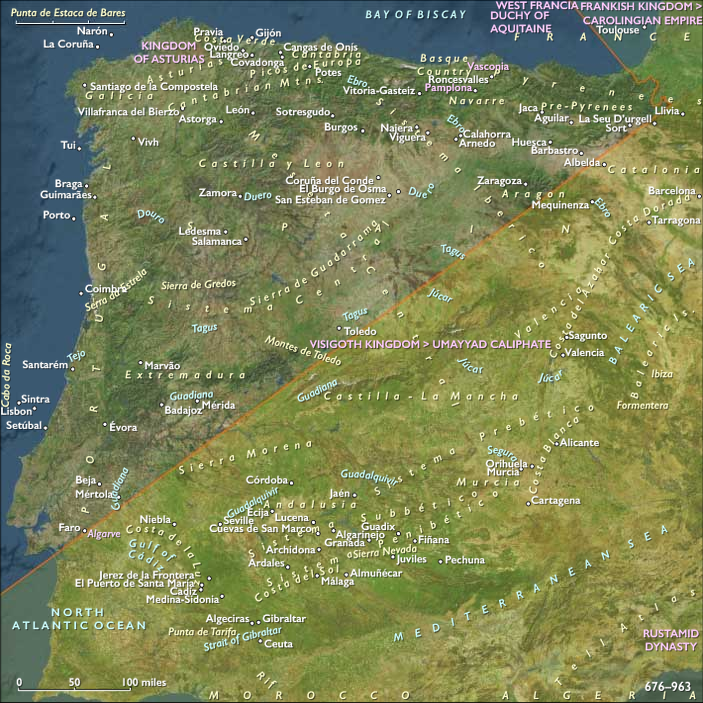
King Alfonso III of Asturias commissions the creation of three chronicles, aimed at legitimizing his kingdom as the rightful successor to the Visigothic Kingdom. These works help shape the historical narrative of Asturias and reinforce its continuity with the pre-Islamic past of Iberia.
Beyond his historical interests, Alfonso III is also a patron of the arts, following the tradition of his grandfather. He orders the construction of the Church of Santo Adriano de Tuñón, an important example of Asturian pre-Romanesque architecture.
The Imperial Crown and Disputed Claims
A letter of debated authenticity, the Epistola Adefonsi Hispaniae regis (906 CE), suggests that Alfonso III attempted to purchase an imperial crown from the Cathedral of Tours, possibly seeking to strengthen his royal legitimacywith symbolic ties to the Carolingian world.
Rebellion and the Partition of the Kingdom
In 909 CE, a year before his death, Alfonso III is forced to abdicate after his three sons revolt against him. The kingdom is then divided among them:
- García becomes King of León.
- Ordoño II rules Galicia.
- Fruela II inherits Asturias, with Oviedo as his capital.
Alfonso III dies in Zamora in December 910, marking the end of a significant reign in Asturian history.
Unstable Succession and Dynastic Struggles
After Alfonso’s death, his former realm is eventually reunified due to a series of dynastic events:
- García dies childless, and León passes to Ordoño II.
- When Ordoño II dies, his children are too young to inherit, and the kingdom falls to Fruela II, reuniting Asturias, León, and Galicia under a single ruler.
- Fruela II’s death the following year triggers a period of internecine struggles, leading to over a century of instability in the succession of the Asturian-Leonese crown.
These conflicts weaken the kingdom, delaying further Christian expansion in Iberia until the mid-10th century.
Locations
People
Groups
Topics
Commodoties
Subjects
Regions
Subregions
Years: 910 - 910
December
Locations
People
Groups
Topics
Commodoties
Subjects
Regions
Subregions