
Antoine-Jérôme Balard, who is working in a …
Years: 1826 - 1826
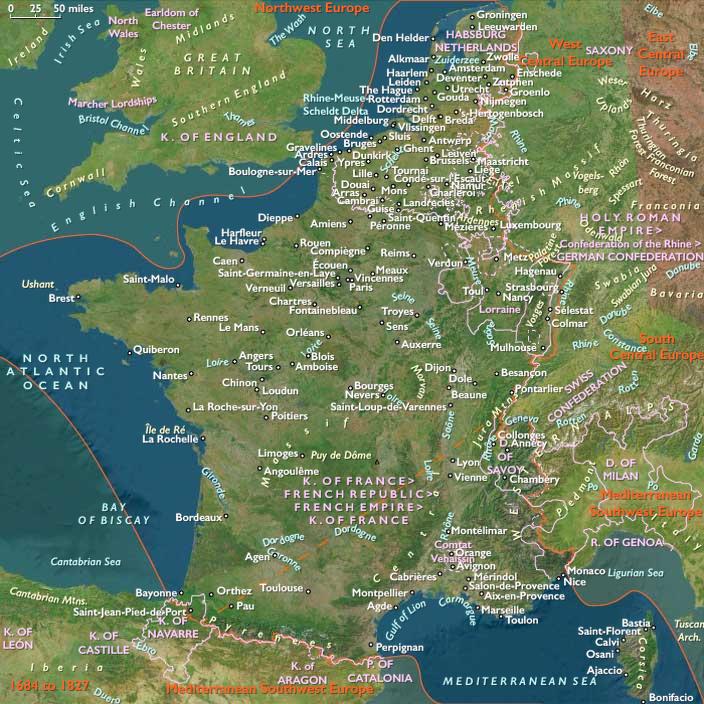
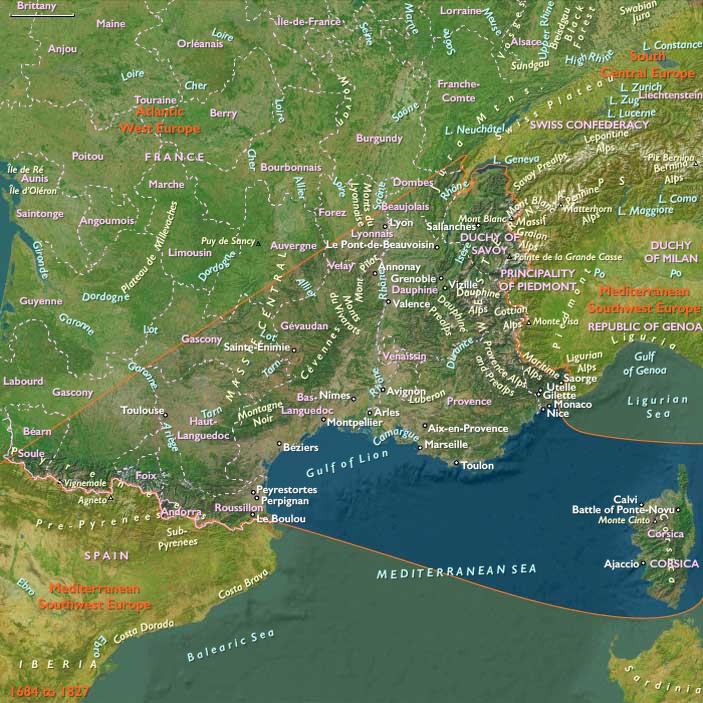
Antoine-Jérôme Balard, who is working in a pharmacy school in Montpellier, France, in 1826, discovers in the residual bitterns ("saline liquors") from the manufacture of salt from Mediterranean Sea water the same pink liquid discovered by Carl Jacob Löwig in Heidelberg the previous year. (German chemist Justus von Liebig also has apparently obtained the element before Balard, but wrongly considers it to be iodine chloride.)
Balard liberates the element by passing chlorine through aqueous solution of the residues, which contain magnesium bromide.
Distillation of the material with manganese dioxide and sulfuric acid produce odoriferous red vapors, which are condensed to a dark liquid.
The similarity of this procedure to that for making chlorine suggests to Balard that he has obtained a new element similar to chlorine.
He calls it muride, after the murex, a Mediterranean mollusk whose bromine-containing secretions yield the classically famous dye known as Tyrian purple.
The Academie Francaise does not accept the name, however, and calls the element bromine, named for Greek bromos, a stench, because of the odor of its vapors.
Bromine is now added to the list of halogens.
Locations
People
Groups
Subjects
Regions
Subregions
Related Events
Showing 10 events out of 19968 total
Years: 1826 - 1826
Locations
People
Groups
Subjects
Regions
Subregions