Blake’s Blockade of Lisbon and the Naval Confrontation with Prince Rupert (1650)
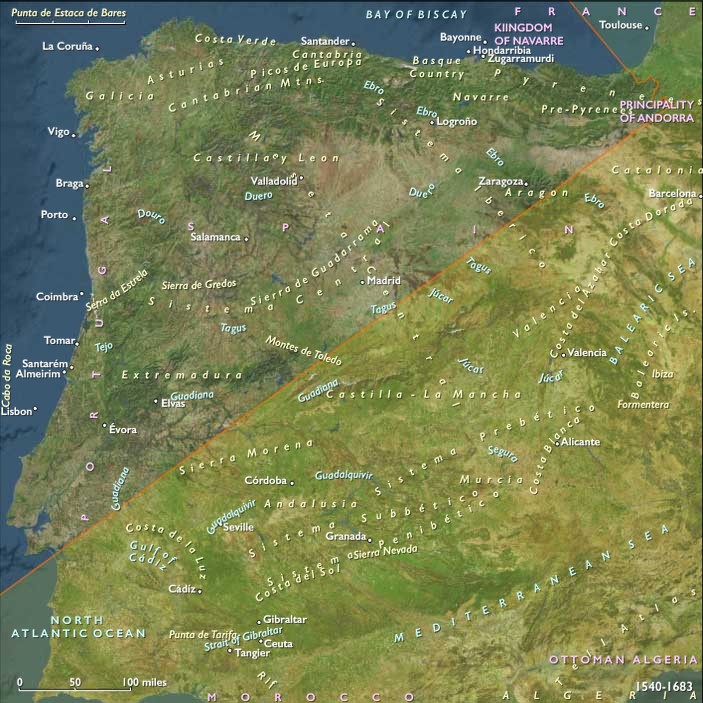
In February 1650, Admiral Robert Blake, leading a Parliamentarian fleet of twelve ships, sailed to Lisbon in an effort to pressure King John IV of Portugal to expel Prince Rupert of the Rhine, who had taken refuge there with his Royalist fleet. Prince Rupert, a Royalist privateer supporting the exiled Charles II, had expanded his squadron to thirteen ships, posing a threat to English Parliamentarian shipping.
Blake’s Standoff with the Portuguese and Rupert’s Fleet
- Blake anchored off Lisbon for two months, hoping to convince John IV to withdraw his support for Rupert.
- However, King John IV, despite negotiations, ultimately decided to back Rupert, as Portugal was historically aligned with the Royalists against Parliament.
- By April 1650, Blake’s fleet was reinforced by four additional warships under Edward Popham, who brought official authorization to go to war with Portugal.
Consequences and Escalation
-
The Anglo-Portuguese Naval Conflict Begins
- With Portugal siding with Rupert, Blake prepared to take military action, launching a naval blockade of Lisbon.
- This marked the beginning of hostilities between the English Commonwealth and Portugal, which lasted until 1654.
-
The Pursuit of Rupert’s Fleet
- Rupert eventually escaped Lisbon, leading Parliamentarian forces on a high-seas chase through the Atlantic and into the Caribbean.
- Blake pursued Rupert relentlessly, defeating part of his fleet at the Battle of the Tagus (1650) and later in the Azores.
-
Long-Term Impact
- Blake’s campaign weakened Royalist naval power, cutting off an important base for Charles II’s supporters.
- The conflict pressured Portugal into negotiating peace with the English Commonwealth, culminating in a treaty in 1654, which favored English trading interests.
Conclusion: Blake’s Naval Strategy and the Commonwealth’s Growing Power
Blake’s blockade of Lisbon and pursuit of Prince Rupert in 1650 was a critical naval action in the English Civil War’s aftermath, strengthening Parliament’s control of the seas. This event marked the rise of the English Commonwealth’s naval dominance, setting the stage for future conflicts and colonial expansion.