
Filters:
Germans from the Black Forest region of …
Years: 1843 - 1843
Germans from the Black Forest region of Southern Baden migrate to Venezuela in 1843.
Some regions of Germany have suffered heavy economic losses since 1814, while its inhabitants are paying high taxes.
This has caused great poverty in the country, which gives many Germans the desire to immigrate in order to escape this plight.
Germans have an excellent reputation as settlers, a positive image created by pioneers in Brazil.
During the second government of José Antonio Páez, in 1840, the Congress enacted, in May of that year, a new immigration law that provided for a policy of economic and cultural exchanges between Venezuela and Europe.
The entrepreneurs received loans on the condition that they accept immigrants over a period of two years.
Given the huge population deficit that exists at this time in Venezuela, the Minister of Interior and Justice at the time, Angel Quintero, calls for collaboration to Agustín Codazzi (traveler and geographer) so that he can indicate the lands eligible to attract European immigration in order to increase the productivity of the country.
From the outset, Codazzi thought of Germans because of their economic situation and, along with Alexander Benitz, began planning an organized immigration.
Codazzi made explorations in various fields owned by the family Tovar, who had offered to donate them to establish a colony.
He chose to appeal to families in southwestern Germany, who then will then travel to colonize the country.
These families of masons, carpenters, blacksmiths, weavers, shoemakers and tailors, come from the Grand Duchy of Baden and surrounding areas in Germany, especially came from Kaiserstuhl.
These areas not only have various and high taxes, but also have problems related to agricultural productivity.
The German colonists, once in Tovar, find that of the eighty houses promised had been built only twenty.
In addition, the land assigned has been deforested.
Nor is there an access road.
The administrator to the settlers exploits their labor and prevents them from leaving the colony.
This situation will did not improve until 1845, when the government dismisses the administrator from office.
Some regions of Germany have suffered heavy economic losses since 1814, while its inhabitants are paying high taxes.
This has caused great poverty in the country, which gives many Germans the desire to immigrate in order to escape this plight.
Germans have an excellent reputation as settlers, a positive image created by pioneers in Brazil.
During the second government of José Antonio Páez, in 1840, the Congress enacted, in May of that year, a new immigration law that provided for a policy of economic and cultural exchanges between Venezuela and Europe.
The entrepreneurs received loans on the condition that they accept immigrants over a period of two years.
Given the huge population deficit that exists at this time in Venezuela, the Minister of Interior and Justice at the time, Angel Quintero, calls for collaboration to Agustín Codazzi (traveler and geographer) so that he can indicate the lands eligible to attract European immigration in order to increase the productivity of the country.
From the outset, Codazzi thought of Germans because of their economic situation and, along with Alexander Benitz, began planning an organized immigration.
Codazzi made explorations in various fields owned by the family Tovar, who had offered to donate them to establish a colony.
He chose to appeal to families in southwestern Germany, who then will then travel to colonize the country.
These families of masons, carpenters, blacksmiths, weavers, shoemakers and tailors, come from the Grand Duchy of Baden and surrounding areas in Germany, especially came from Kaiserstuhl.
These areas not only have various and high taxes, but also have problems related to agricultural productivity.
The German colonists, once in Tovar, find that of the eighty houses promised had been built only twenty.
In addition, the land assigned has been deforested.
Nor is there an access road.
The administrator to the settlers exploits their labor and prevents them from leaving the colony.
This situation will did not improve until 1845, when the government dismisses the administrator from office.
Locations
People
Groups
Subjects
Regions
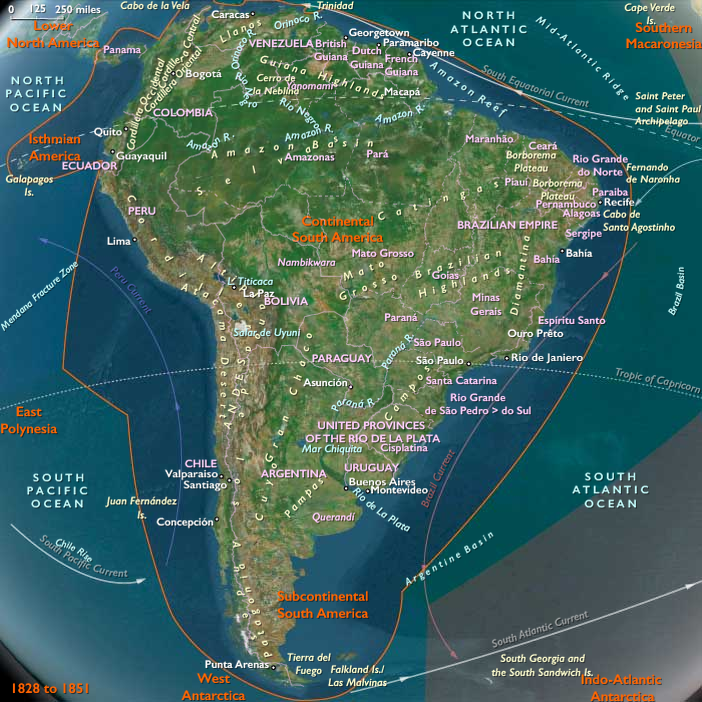
Subregions
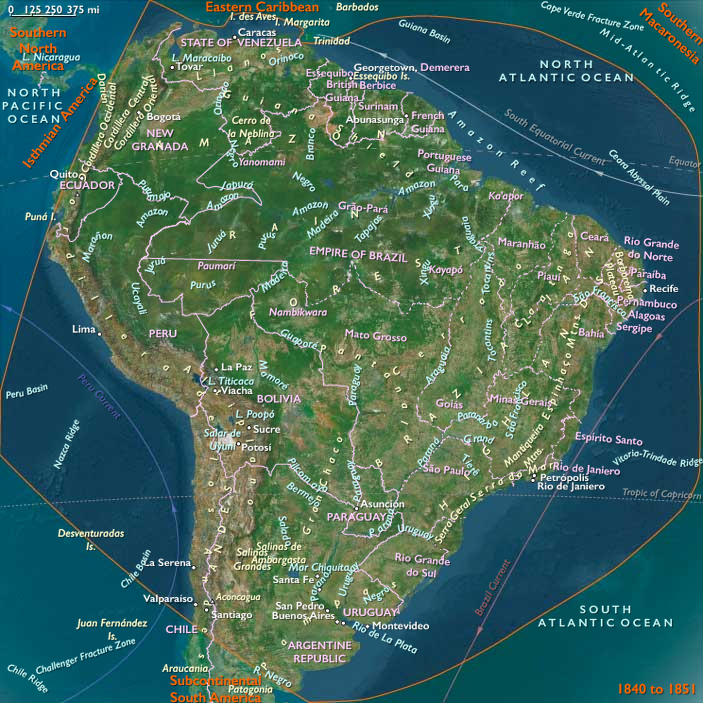
Years: 1843 - 1843
Locations
People
Groups
Subjects
Regions
Subregions