
East Central Europe (909–766 BCE): Late Bronze …
Years: 909BCE - 766BCE
East Central Europe (909–766 BCE): Late Bronze Age Flourishing and Early Iron Age Transformations
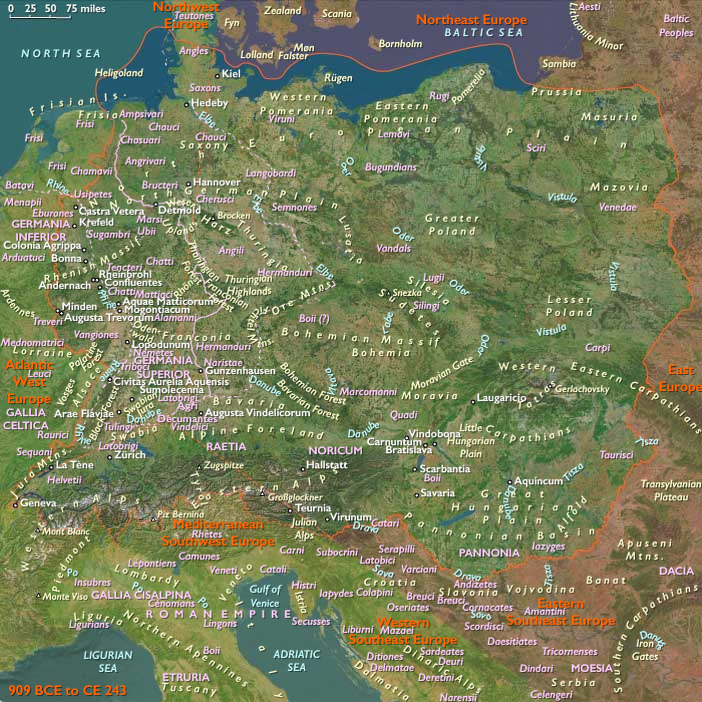
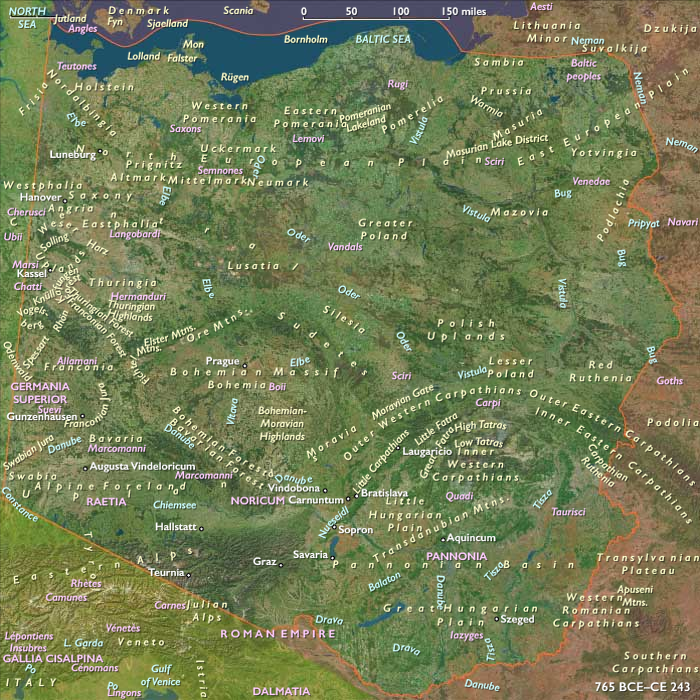
Between 909 and 766 BCE, East Central Europe—encompassing Poland, Czechia, Slovakia, Hungary, and those portions of Germany and Austria lying east of 10°E and north of a line stretching from roughly 48.2°N at 10°E southeastward to the Austro-Slovenian border near 46.7°N, 15.4°E—experienced critical transitions from Late Bronze Age societies toward early Iron Age developments. This period saw significant cultural diversification, technological innovations, fortified settlements, intensified regional trade, and the first appearance of ironworking, laying essential foundations for subsequent historical developments.
Political and Social Developments
Growth of Social Complexity
Social structures became increasingly stratified, reflected by elaborate burial practices and the expansion of fortified settlements and hillforts. Prominent groups such as the Urnfield Culture (ca. 1300–750 BCE) dominated the region, characterized by cremation burial practices, suggesting complex religious beliefs and organized social hierarchies.
Emergence of Local Chiefdoms
Settlements evolved toward early chiefdoms, evidenced by fortifications and high-status burials containing prestige items (weapons, jewelry, bronze artifacts). Regional elites consolidated power, controlling key resources, trade routes, and economic exchanges.
Economic and Technological Developments
Late Bronze Age Economic Prosperity
Bronze metallurgy reached its peak, facilitating advanced tools, weapons, and decorative objects. Expanded regional trade routes linked the Baltic amber trade to Mediterranean networks, significantly enriching local elites and fueling economic integration.
Emergence of Iron Technology
By the later part of this age (around 800–750 BCE), ironworking gradually emerged, profoundly reshaping technological possibilities. Iron’s availability and strength allowed for improved agricultural tools, weaponry, and production methods, eventually transforming local economies and military capabilities.
Cultural and Artistic Developments
Expansion of the Urnfield Culture
The Urnfield Culture's widespread distribution across East Central Europe led to remarkable cultural uniformity yet also regional variations. Characterized by cremation burials in pottery vessels ("urnfields"), these practices underscored shared religious beliefs and social cohesion across wide areas.
Artistic Innovation and Symbolism
Artistic expression flourished through decorated ceramics, bronze ornaments, and weaponry, highlighting advanced metalworking skills and complex symbolism tied to religious rituals and social hierarchy. Items such as bronze axes, swords, and ceremonial objects exemplified technical sophistication and cultural symbolism.
Settlement and Urban Development
Fortified Hilltop Settlements
Settlements increasingly moved to strategic locations (hilltops and river confluences), becoming fortified centers for trade, defense, and administration. Fortifications indicated intensified competition, increased warfare risks, and complex sociopolitical dynamics.
Early Urbanization Patterns
Settlement complexity increased significantly, with larger communities becoming early forms of urban centers. Population growth, specialization, and trade encouraged greater organizational sophistication, shaping regional urban patterns.
Long-Term Consequences and Historical Significance
The age from 909 to 766 BCE marked a critical turning point for East Central Europe. The culmination of the Late Bronze Age and the early introduction of iron technology significantly reshaped economic, political, and social structures. The flourishing Urnfield Culture promoted regional cohesion yet encouraged local diversification, laying critical foundations for subsequent Iron Age developments. Expanded regional trade and intensified social stratification established enduring patterns influencing later historical trajectories, profoundly impacting future cultural, technological, and political dynamics across the region.
Groups
Topics
Commodoties
Subjects
Regions
Subregions
Years: 909BCE - 766BCE
Groups
Topics
Commodoties
Subjects
Regions
Subregions