
Filters:
Emperor Gengshi's forces cause the death of …
Years: 25 - 25
Emperor Gengshi's forces cause the death of the former Western Han emperor-designate, Emperor Ruzi (Liu Ying), in 2.
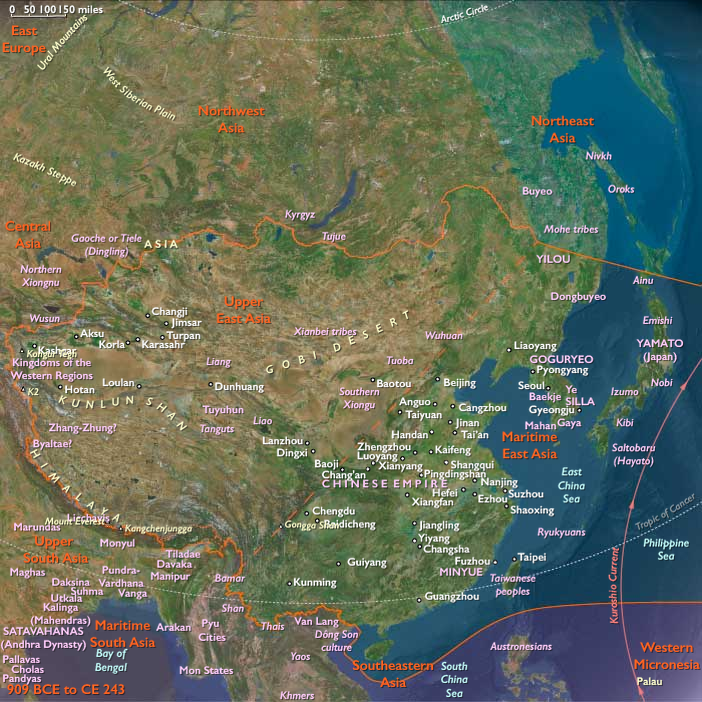
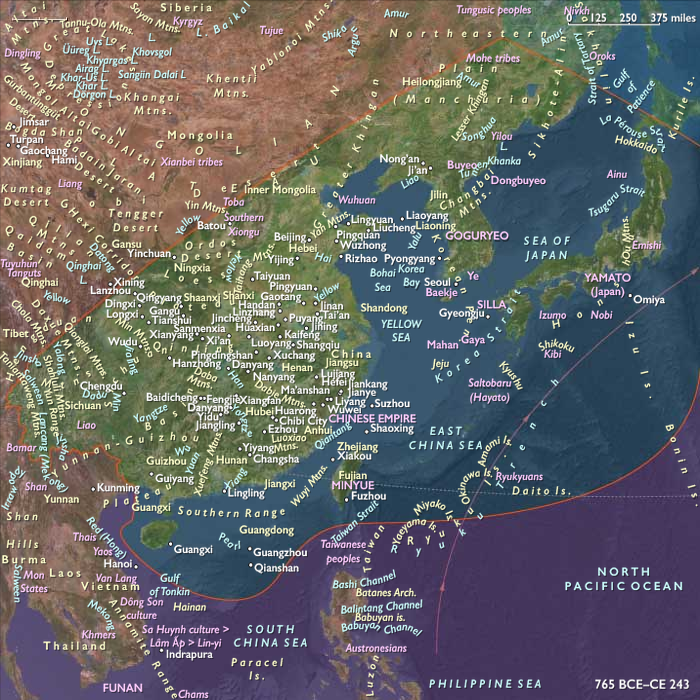
Two co-conspirators—Fang Wang, the former strategist for the local warlord Wei Xiao, and a man named Gong Lin—and their group of several thousand men, after kidnapping the former Duke of Ding'an, occupy Linjing (in modern Qingyang, Gansu).
Emperor Gengshi sends his prime minister Li Song to attack them, and wipes out this rebel force, killing Liu Ying.
Locations
People
Groups
Topics
Commodoties
Subjects
Regions
Subregions
Related Events
Showing 10 events out of 146 total
Years: 25 - 25
Locations
People
Groups
Topics
Commodoties
Subjects
Regions
Subregions