
Filters:
After news of Lexington and Concord reached …
Years: 1776 - 1776
May
After news of Lexington and Concord reached London, the government of Lord North, realizing it would require the support of foreign troops to combat the rebellion, had begun negotiating with European allies for the use of their troops in North America.
Requests to Catherine the Great for Russian troops had been refused, but a number of German principalities were prepared to offer theirs.
Of the fifty thousand troops that Britain raises in 1776, nearly one third come from a handful of these principalities; the number of troops from Hesse-Cassel and Hesse-Hanau cause them to be widely referred to as Hessians.
Of these fifty thousand, about eleven thousand are destined for service in Quebec.
Troops from Hesse-Hanau and Brunswick-Lüneburg had sailed in February 1776 for Cork, where they joined a convoy carrying British troops that had sailed in early April.
Carleton, having been informed of pace of activity in the American camp, had rapidly unloaded reinforcements from the arrived ships, and around noon marches with a force of about nine hundred troops to test the Americans.
The American response is essentially panic; a disorganized retreat begun that might have ended even more disastrously for the Americans had Carleton pressed his advantage.
Hoping to win over the rebels with a lenient attitude, he is content to send ships up the river to harass the Americans, and to possibly cut them off.
He also captures a number of Americans, mostly sick and wounded, but also a detachment of troops that had been abandoned on the south side of the St. Lawrence.
Requests to Catherine the Great for Russian troops had been refused, but a number of German principalities were prepared to offer theirs.
Of the fifty thousand troops that Britain raises in 1776, nearly one third come from a handful of these principalities; the number of troops from Hesse-Cassel and Hesse-Hanau cause them to be widely referred to as Hessians.
Of these fifty thousand, about eleven thousand are destined for service in Quebec.
Troops from Hesse-Hanau and Brunswick-Lüneburg had sailed in February 1776 for Cork, where they joined a convoy carrying British troops that had sailed in early April.
Carleton, having been informed of pace of activity in the American camp, had rapidly unloaded reinforcements from the arrived ships, and around noon marches with a force of about nine hundred troops to test the Americans.
The American response is essentially panic; a disorganized retreat begun that might have ended even more disastrously for the Americans had Carleton pressed his advantage.
Hoping to win over the rebels with a lenient attitude, he is content to send ships up the river to harass the Americans, and to possibly cut them off.
He also captures a number of Americans, mostly sick and wounded, but also a detachment of troops that had been abandoned on the south side of the St. Lawrence.
Locations
People
Groups
- Hesse-Kassel, Landgraviate of
- French Canadians
- Thirteen Colonies, The
- Massachusetts, Province of (English Crown Colony)
- Brunswick-Lüneburg, Electorate of (Electorate of Hanover)
- Hessians
- British people
- Britain, Kingdom of Great
- Quebec (British Province)
- Americans
Topics
Subjects
Regions
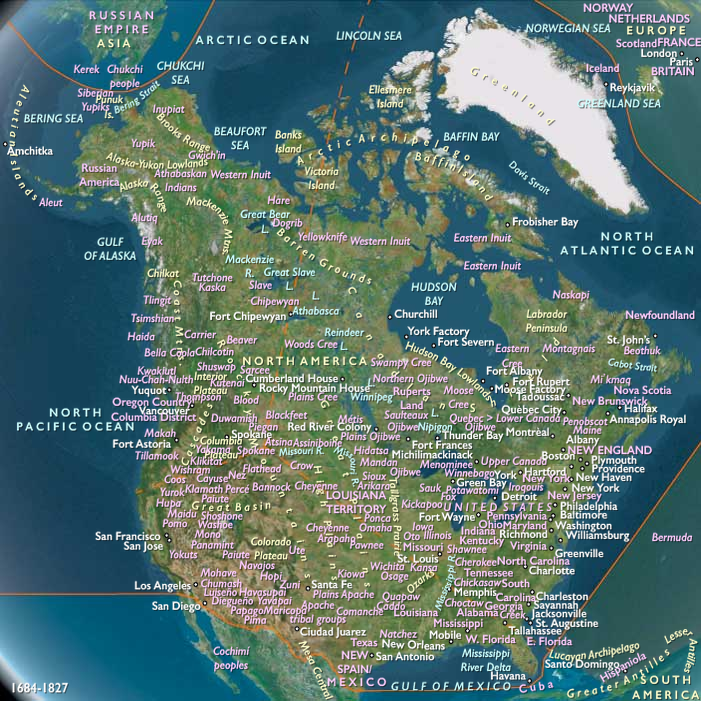
Subregions
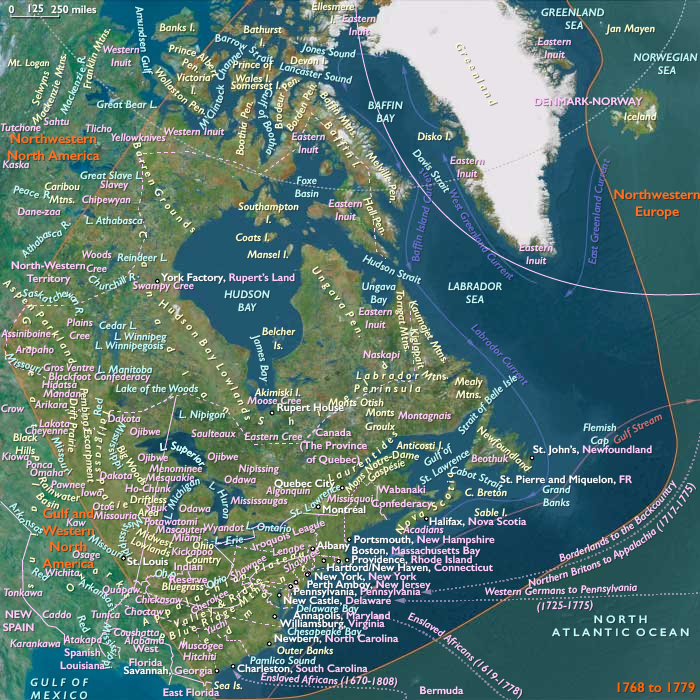
Years: 1776 - 1776
May
Locations
People
Groups
- Hesse-Kassel, Landgraviate of
- French Canadians
- Thirteen Colonies, The
- Massachusetts, Province of (English Crown Colony)
- Brunswick-Lüneburg, Electorate of (Electorate of Hanover)
- Hessians
- British people
- Britain, Kingdom of Great
- Quebec (British Province)
- Americans
Topics
Subjects
Regions
Subregions