Godfrid Haraldsson's Raids in Frisia and Flanders (851): The Devastation of Ghent and Drongen
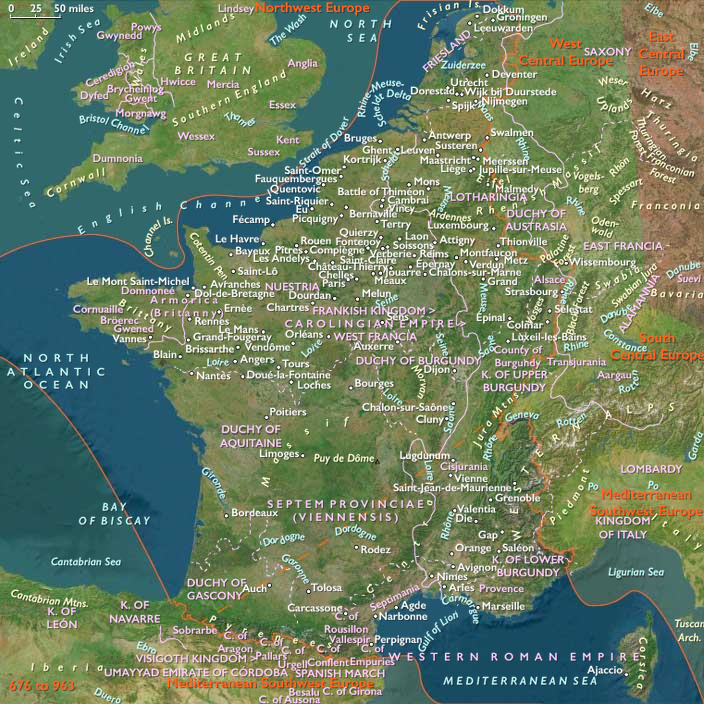
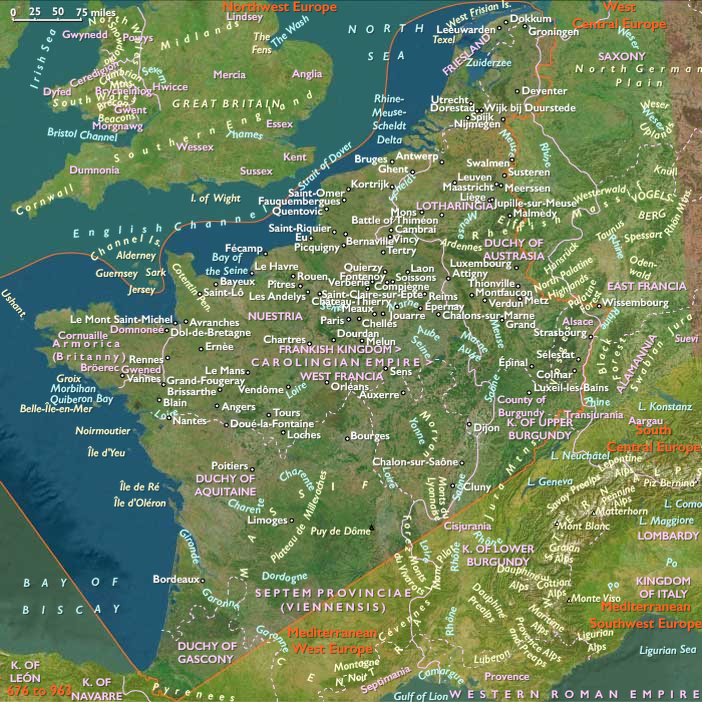
In 851, the Danish Viking leader Godfrid Haraldsson, having previously raided Frisia alongside his cousin Rorik, returns to launch a new wave of attacks against Frankish territories. His campaign targets key settlements along the Rhine, the Scheldt, and Flanders, demonstrating the continued vulnerability of the Carolingian Empire to Viking incursions.
Godfrid’s Raids in Frisia and the Rhine Region
- Frisia is once again ravaged, as Viking forces plunder coastal settlements and trading centers.
- Moving inland, Godfrid’s fleet sails up the Rhine, attacking Frankish river towns and disrupting trade routes.
The Attack on Ghent and the Destruction of Drongen Abbey
- After raiding along the Rhine, Godfrid sails up the Scheldt River, targeting the rich Flemish region.
- He attacks and plunders Ghent, one of the most important towns in Flanders.
- His forces then turn to the Abbey of Drongen, an influential monastic center, which they destroy, looting its wealth and likely slaughtering its inhabitants.
Impact of the 851 Raids
- Continued Frankish Weakness → The inability of Charles the Bald to prevent Viking incursions underscores the empire’s vulnerability, especially as it remains politically divided.
- Destruction of Religious and Economic Centers → The destruction of Drongen Abbey is part of a wider pattern of Viking attacks on monasteries, which serve as both rich plunder sites and symbols of Christian authority.
- Strategic Viking Expansion → By controlling key waterways like the Scheldt and the Rhine, the Vikings consolidate their ability to conduct deeper raids into the Frankish heartland.
A Prelude to More Viking Incursions
- The raid of 851 foreshadows further Norse expansion, as Viking leaders increasingly establish permanent bases in Frisia and along major rivers.
- Frankish efforts to resist the Vikings will lead to further tributes (Danegeld) and, eventually, territorial concessions—mirroring the later settlement of Normandy in 911.
Godfrid’s ruthless campaign in 851 signals that Viking raiding is no longer seasonal but part of a sustained strategy of conquest and occupation, further weakening Carolingian control in the Low Countries.