
Filters:
The Restoration of Louis the Pious (834): …
Years: 833 - 833
The Restoration of Louis the Pious (834): A Reversal of Fortune
Following his humiliating deposition at the Field of Lies (833), Emperor Louis the Pious finds unexpected support as public sentiment turns against his rebellious sons. His orchestrated return to power in 834 is driven by three key factors:
- Widespread Outrage at His Mistreatment → The forced abdication of an anointed emperor, compounded by his public humiliation, alienates many Frankish nobles and clergy who still respect the concept of sacral kingship.
- Renewed Infighting Between the Brothers → The rebellion fractures as Lothair I, the leading instigator, attempts to consolidate power at the expense of his brothers Pepin of Aquitaine and Louis the German, leading to internal conflicts.
- Escalating Violence and Disorder → The rebellion creates widespread unrest, as noble factions take sides, resulting in an unstable empire, prompting many to reconsider supporting Louis the Pious’ return as a stabilizing force.
The Restoration of Imperial Authority
By 834, a counter-revolt gathers momentum:
- Supporters of Louis the Pious mobilize to free him from confinement.
- Once released, he is restored to power, marking an astonishing reversal of fortune.
- His weapons, wife (Empress Judith), and youngest son (Charles the Bald) are returned to him, symbolizing his full restoration as emperor.
Aftermath: A Weakened but Reinstated Emperor
Though Louis regains his throne, his authority is permanently weakened:
- Lothair I flees, but remains a persistent challenger to imperial unity.
- Pepin and Louis the German, though involved in the rebellion, are gradually reconciled with their father.
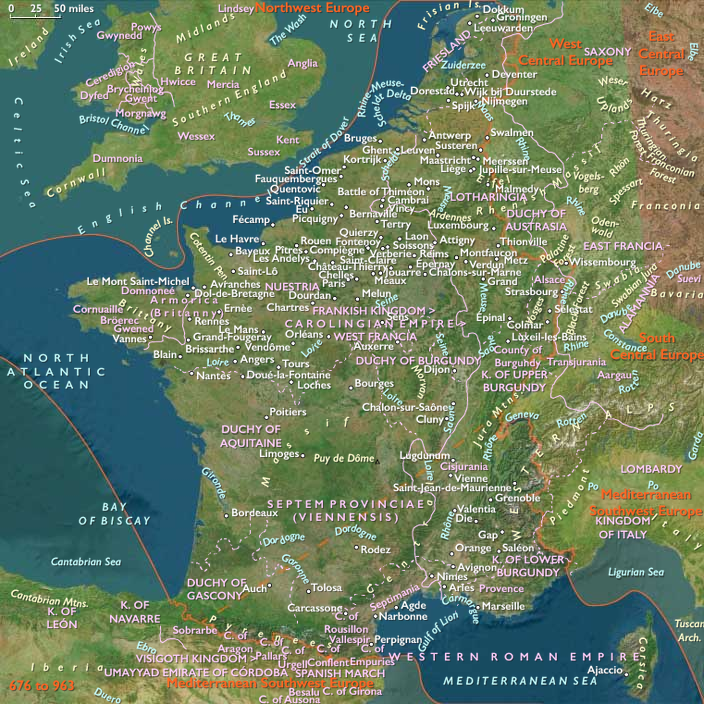
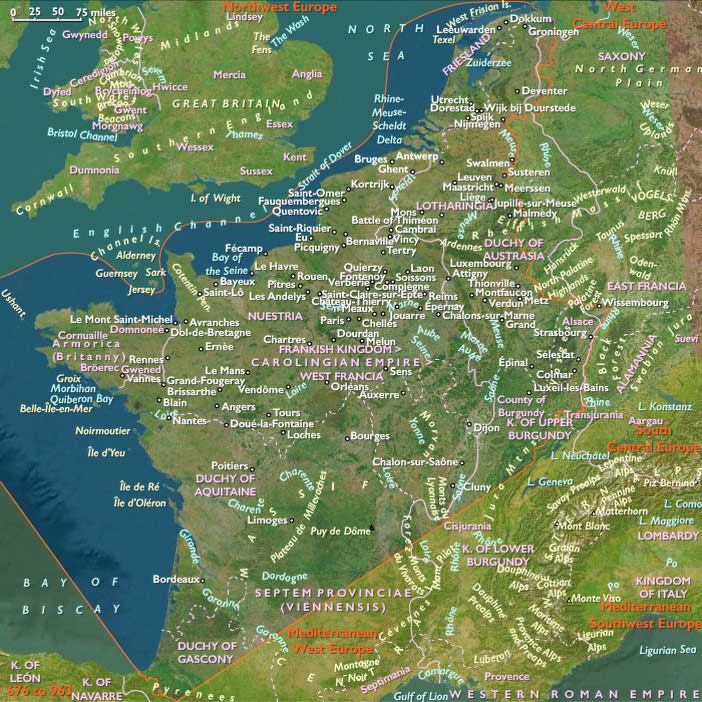
- The empire remains divided, with regional rulers continuing to assert their own interests.
Louis’ final years are marked by continued instability, and his death in 840 immediately reignites the civil war, culminating in the Treaty of Verdun (843) and the permanent partition of the Carolingian Empire.
Locations
People
Groups
Topics
Commodoties
Subjects
Regions
Subregions
Years: 833 - 833
Locations
People
Groups
Topics
Commodoties
Subjects
Regions
Subregions