
The French Invasion of Portugal – Junot’s …
Years: 1807 - 1807
November
The French Invasion of Portugal – Junot’s Forced March (November 1807)
By November 12, 1807, General Jean-Andoche Junot’s corps had reached Salamanca in western Spain, after marching approximately 300 miles (483 km) in 25 days. His forces were part of Napoleon’s planned occupation of Portugal, as agreed upon in the secret Treaty of Fontainebleau (October 1807) between France and Spain.
French Reconnaissance of Spanish Fortifications
- Unbeknownst to their Spanish allies, French engineers were secretly surveying fortresses and strategic locations along the route.
- This covert intelligence-gathering suggested that Napoleon’s ambitions extended beyond Portugal, likely foreshadowing the eventual French betrayal of Spain in 1808.
Napoleon’s New Orders – A Faster Invasion Route
- On November 12, Junot received urgent new orders from Napoleon, directing him to accelerate the invasion.
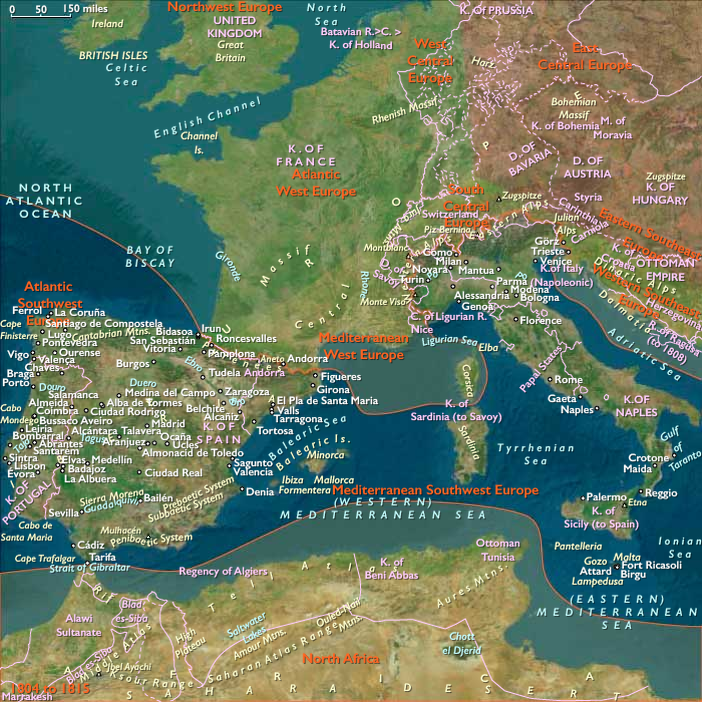
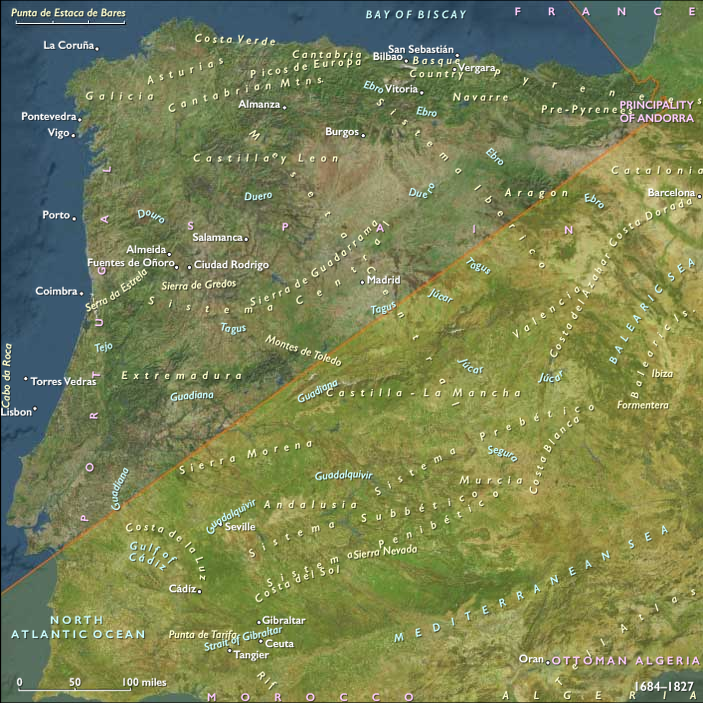
- Instead of following the normal invasion route—a 200-mile march via Almeida and Coimbra—Napoleon ordered Junot to take a shorter route west from Alcántara along the Tagus Valley, covering only 120 miles (193 km) to Lisbon.
- The decision was driven by Napoleon’s growing urgency, fearing:
- A potential British intervention in Portugal.
- Portuguese resistance, which could delay the invasion.
A Poorly Chosen Route – A Strategic Miscalculation
Although Napoleon’s new plan shortened the invasion distance, it created severe logistical challenges:
- The Tagus Valley route was sparsely populated, offering little food or shelter for the French army.
- The poor roads and rugged terrain slowed progress, exhausting the troops.
- Junot’s corps was already fatigued from the rapid advance through Spain—forcing them to continue at a punishing pace.
Conclusion – A Risky Gamble for Speed
Napoleon’s decision to prioritize speed over logistics put Junot’s army at risk, forcing them to advance through harsh terrain with minimal resources. Although the French would reach Lisbon, they arrived weakened, undersupplied, and in no condition to face a British-led counteroffensive.
This logistical failure would ultimately contribute to the unraveling of French control in Portugal, as Junot’s weakened army would struggle to maintain its occupation once British and Portuguese resistance emerged.
Locations
People
- Jean-Andoche Junot
- John VI of Portugal
- Manuel de Godoy, Prince of the Peace
- Maria I of Portugal
- Napoleon
Groups
- Portugal, Bragança Kingdom of
- Spain, Bourbon Kingdom of
- Brazil, Viceroyalty of
- France, (first) Empire of
Topics
Subjects
Regions
Subregions
Years: 1807 - 1807
November
Locations
People
- Jean-Andoche Junot
- John VI of Portugal
- Manuel de Godoy, Prince of the Peace
- Maria I of Portugal
- Napoleon
Groups
- Portugal, Bragança Kingdom of
- Spain, Bourbon Kingdom of
- Brazil, Viceroyalty of
- France, (first) Empire of
Topics
Subjects
Regions
Subregions