
The Great Lisbon Earthquake of 1755 – …
Years: 1755 - 1755
November
The Great Lisbon Earthquake of 1755 – A Catastrophe Unfolds
On the morning of November 1, 1755, as Portugal observed All Saints' Day, a colossal earthquake struck Lisbon, unleashing one of the most devastating natural disasters in European history. The tremors, estimated at 8.5–9.0 on the moment magnitude scale, shook the city for three and a half to six minutes, creating massive fissures, some as wide as five meters (sixteen feet), in the heart of the Portuguese capital.
The Immediate Chaos
As buildings collapsed, survivors fled to the docks, believing the open space near the Tagus River to be the safest refuge. There, they witnessed a strange phenomenon—the waters receded, exposing a sea floor strewn with shipwrecks and lost cargo, an eerie prelude to the next wave of destruction.
The Tsunami Strikes
Approximately forty minutes after the initial earthquake, a tsunami surged into Lisbon’s harbor, sweeping inland and engulfing the downtown district. The Tagus River swelled, flooding the lower city with unstoppable torrents of water. This was only the first of three waves, each compounding the devastation.
Fire Consumes the Ruins
As if the quake and tsunami were not enough, fires soon erupted across the city, igniting from candles, cooking fires, and toppled oil lamps left burning in homes and churches. Strong winds fanned the flames, turning Lisbon into a raging inferno that burned uncontrollably for five days.
Beyond Lisbon – A National Catastrophe
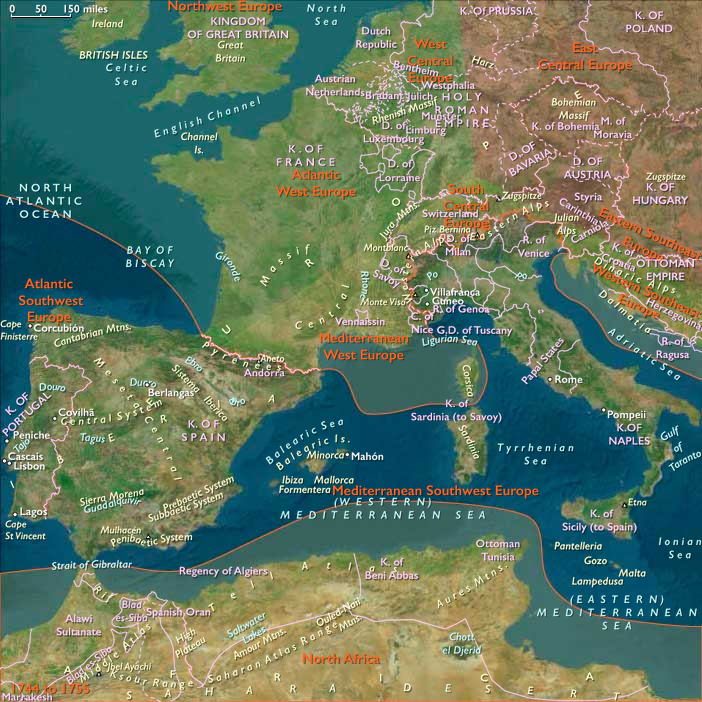
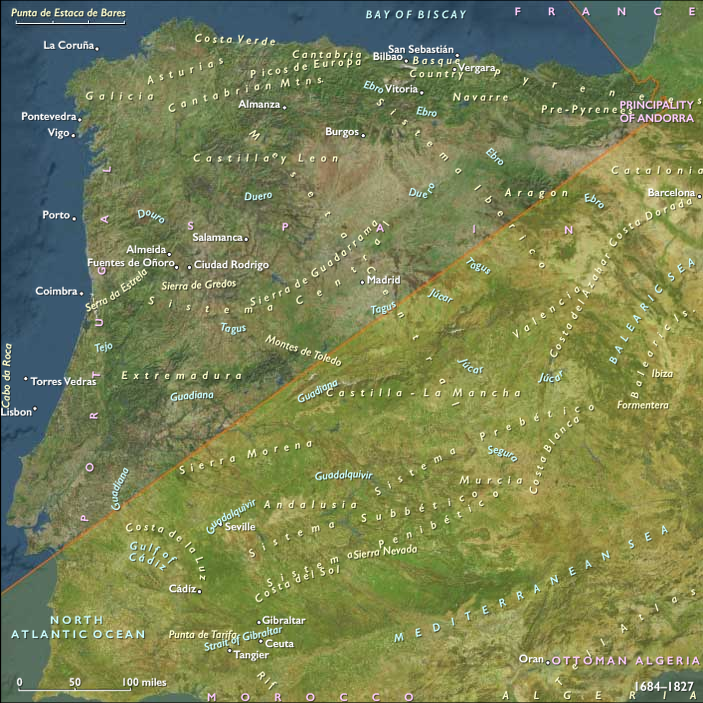
Lisbon was not the only Portuguese city affected by the disaster. Towns and villages across southern Portugal suffered severe destruction, and coastal areas experienced deadly tsunamis. The shockwaves were felt as far away as Spain, North Africa, and even the Caribbean, underscoring the unprecedented scale of the catastrophe.
The 1755 Lisbon Earthquake was more than a natural disaster—it was a seismic event that reshaped Portugal’s history, influencing urban planning, philosophy, and European thought, and leaving an enduring mark on Enlightenment discourse.
Locations
People
Groups
Topics
Subjects
Regions
Subregions
Related Events
Showing 10 events out of 26883 total
Years: 1755 - 1755
November
Locations
People
Groups
Topics
Subjects
Regions
Subregions