
Filters:
The Field of Lies (833): The Betrayal …
Years: 833 - 833
The Field of Lies (833): The Betrayal and Humiliation of Louis the Pious
By 833, Emperor Louis the Pious faces his most devastating defeat, not on the battlefield, but through betrayal and political maneuvering by his own sons, leading to his temporary deposition.
Lothair Joins the Rebellion
- Lothair I, King of Italy, joins his brothers Louis the German and Pepin I of Aquitaine in open rebellion against their father.
- Their coalition attracts widespread support, including leading clerics who had grown disillusioned with Louis' rule.
The "Field of Lies" (June 30, 833)
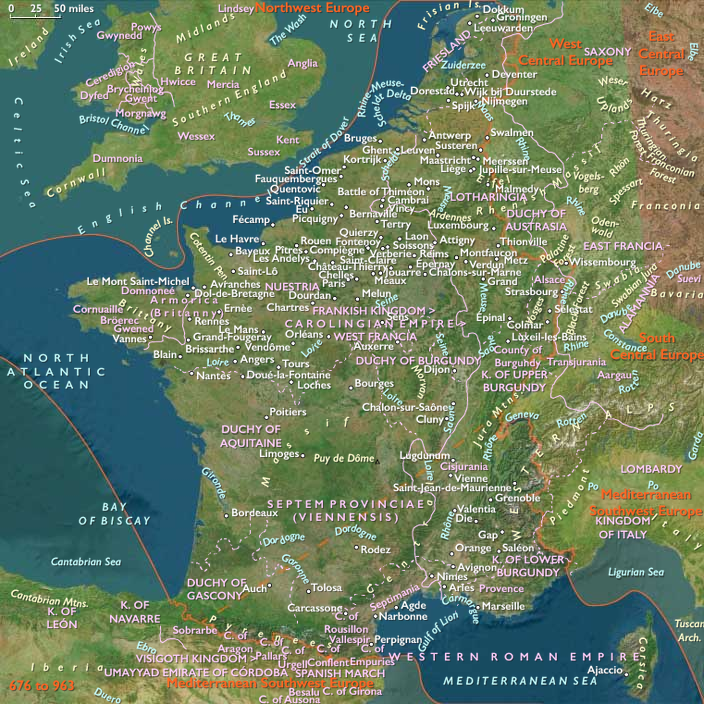
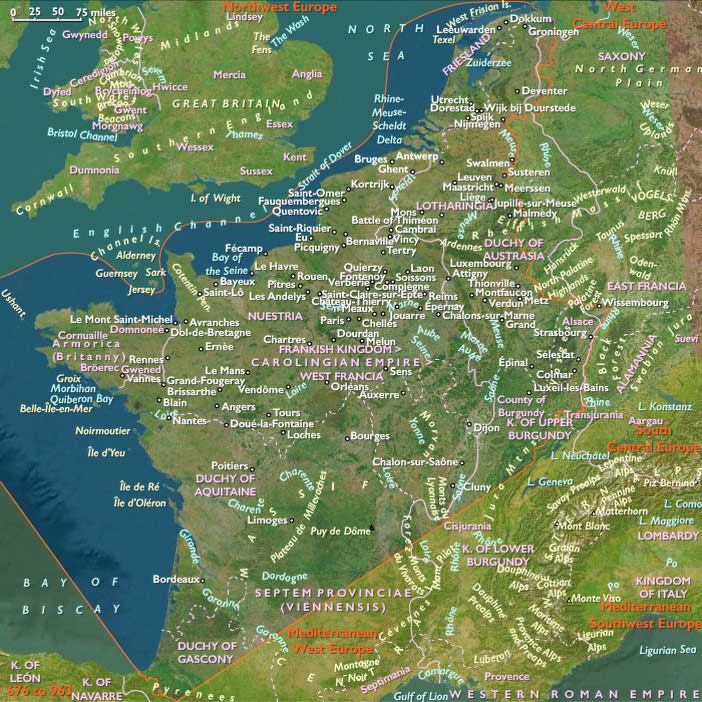
- Louis the Pious meets Lothair near Colmar, Alsace, at a site later called the "Field of Lies" (Lügenfeld).
- Ostensibly, the meeting is meant to negotiate peace, but Louis soon finds himself facing:
- A fully united coalition of his three eldest sons and their noble supporters.
- Pope Gregory IV, who had been invited by Lothair under the pretext of acting as a mediator but ultimately sides with the rebels.
- Leading clerics, including Agobard of Lyon and Ebbo of Reims—the latter, ironically, had been Louis' childhood companion.
The Deposition and Humiliation of Louis the Pious
- In a humiliating public ceremony, the rebel clergy demand Louis' abdication, accusing him of misgovernance and violating his imperial duties.
- Louis is forced to acknowledge his "crimes", removing his imperial regalia before his sons and the assembled nobles.
- He is sentenced to perpetual penance, a politically charged punishment meant to prevent him from regaining the throne.
The Aftermath: A Short-Lived Victory for the Rebels
- Lothair takes control of the empire, but his rule quickly alienates many Frankish nobles.
- By 834, the political tide shifts once again, and Louis is restored to power, though his authority is permanently weakened.
Significance of the Field of Lies
- Breakdown of Carolingian Unity → This event marks the deepening divisions among Charlemagne’s heirs, accelerating the empire’s fragmentation.
- Clerical Involvement in Secular Politics → The role of Pope Gregory IV and the Frankish clergy in deposing an emperor foreshadows the increasing power of the Church in European politics.
- A Turning Point for Louis the Pious → Though he regains the throne, his credibility is shattered, and his sons continue to challenge his authority until his death in 840.
The Field of Lies stands as one of the most infamous episodes in Carolingian history, symbolizing betrayal, political instability, and the irreversible decline of imperial authority.
Locations
People
Groups
Topics
Commodoties
Subjects
Regions
Subregions
Years: 833 - 833
Locations
People
Groups
Topics
Commodoties
Subjects
Regions
Subregions