
The interest of Middle Eastern peoples in …
Years: 1108 - 1251
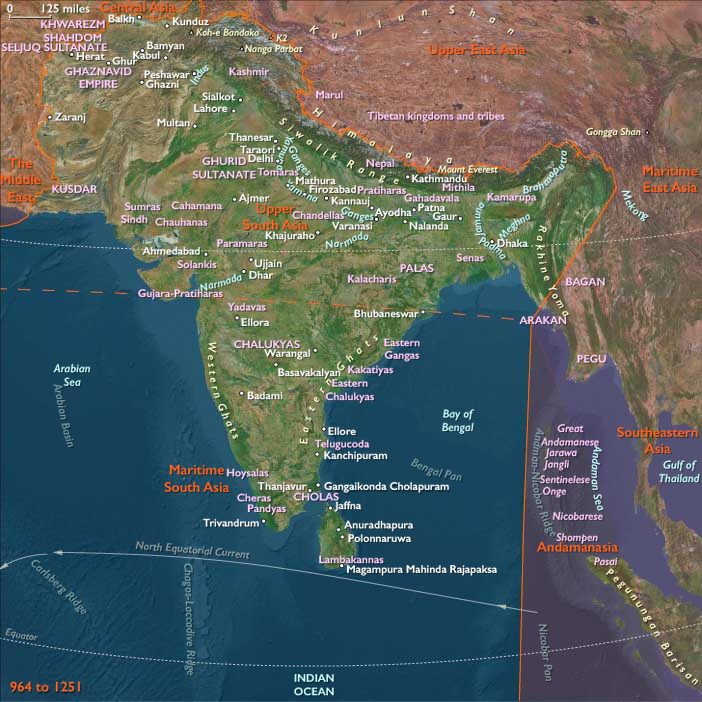
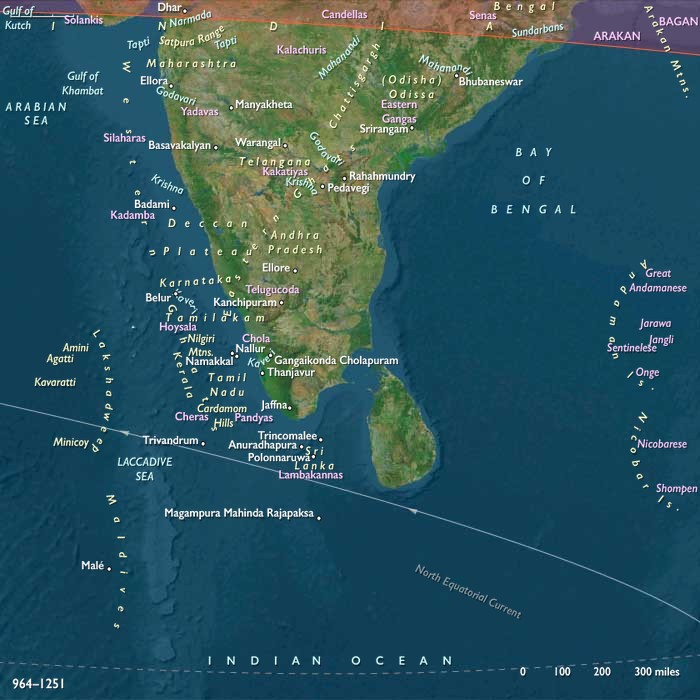
The interest of Middle Eastern peoples in Maldives resulted from its strategic location and its abundant supply of cowrie shells, a form of currency widely used throughout Asia and parts of the East African coast since ancient times.
Middle Eastern seafarers had just begun to take over the Indian Ocean trade routes in the tenth century CE and found Maldives to be an important link in those routes.
The importance of the Arabs as traders in the Indian Ocean by the twelfth century CE. may partly explain why the last Buddhist king of Maldives converted to Islam in the year 1153.
The king thereupon adopted the Muslim title and name of Sultan Muhammad al Adil, initiating a series of six dynasties consisting of eighty-four sultans and sultanas that will last until 1932 when the sultanate becomes elective.
The person responsible for this conversion is a Sunni Muslim visitor named Abu al Barakat.
His venerated tomb now stands on the grounds of Hukuru Mosque, or miski, in the capital of Male.
Built in 1656, this is the oldest mosque in Maldives.
Arab interest in Maldives also is reflected in the residence there in the 1340s of the well-known North African traveler Ibn Battutah.
Locations
Groups
Subjects
Regions
Subregions
Years: 1108 - 1251
Locations
Groups
Subjects
Regions
Subregions