
Marcus Aurelius, a philosopher emperor, has lowered …
Years: 180 - 180
Marcus Aurelius, a philosopher emperor, has lowered taxes and displayed charity toward the less fortunate.
He keeps, even during his campaigns against the Germans, a "spiritual diary," later known as the Meditations, which document his internal struggle to reconcile his Stoic philosophy of virtue and self-sacrifice with his role as a warrior-sovereign.
Marcus' Meditations offer a window on his inner life, but are largely undatable, and make few specific references to worldly affairs.
Marcus Aurelius has written the twelve books of the Meditations in Koine Greek as a source for his own guidance and self-improvement.
It is possible that large portions of the work were written at Sirmium, where he spends much time planning military campaigns from 170 to 180.
Some of it was written while he was positioned at Aquincum on campaign in Pannonia, because internal notes tell us that the second book was written when he was campaigning against the Quadi on the river Granova (modern-day Hron) and the third book was written at Carnuntum.
It is not clear that he ever intended the writings to be published, so the title Meditations is but one of several commonly assigned to the collection.
These writings take the form of quotations varying in length from one sentence to long paragraphs.
His stoic ideas often involve avoiding indulgence in sensory affections, a skill which, he says, will free a man from the pains and pleasures of the material world.
He claims that the only way a man can be harmed by others is to allow his reaction to overpower him.
An order or logos permeates existence.
Rationality and clearmindedness allow one to live in harmony with the logos.
This allows one to rise above faulty perceptions of "good" and "bad".
Having acquired the reputation of a philosopher king within his lifetime, the title will remain his after death; both Dio Cassius and the biographer call him "the philosopher".
Christians—Justin Martyr, Athenagoras, Melito—give him the title as well.
Locations
People
Groups
- Sarmatians
- Germania
- Costoboci
- Lacringi
- Hasdingi
- Iazyges, or Iazygians
- Marcomanni (Germanic tribe)
- Lombards (West Germanic tribe)
- Roman Empire (Rome): Nerva-Antonine dynasty
- Dacia, Roman
- Pannonia Superior (Roman province)
Topics
Subjects
Regions
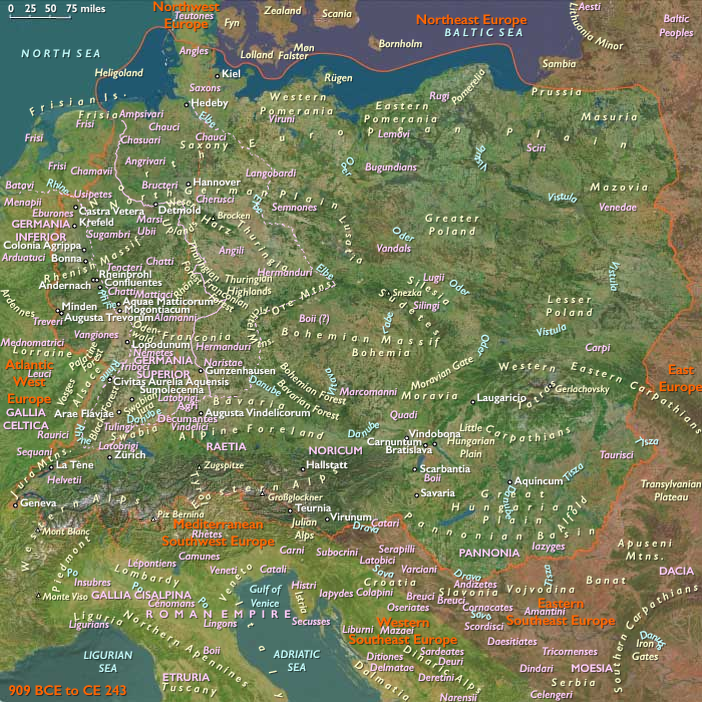
Subregions
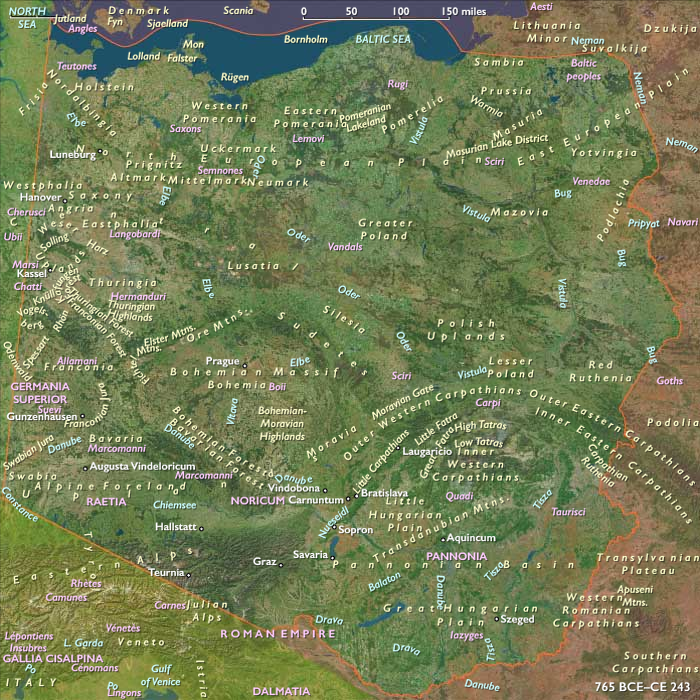
Years: 180 - 180
Locations
People
Groups
- Sarmatians
- Germania
- Costoboci
- Lacringi
- Hasdingi
- Iazyges, or Iazygians
- Marcomanni (Germanic tribe)
- Lombards (West Germanic tribe)
- Roman Empire (Rome): Nerva-Antonine dynasty
- Dacia, Roman
- Pannonia Superior (Roman province)
Topics
Subjects
Regions
Subregions