
Northeastern North America (1972 to 1983 …
Years: 1972 - 1983
Northeastern North America
(1972 to 1983 CE): Economic Shifts and Cultural Realignments
The period from 1972 to 1983 in Northeastern North America witnessed significant economic restructuring, profound cultural shifts, and continuing geopolitical challenges linked to the later stages of the Cold War. The region grappled with economic fluctuations, energy crises, and changing demographic patterns while remaining a hub of cultural innovation and political activism.
Economic Transformation and Energy Crisis
This era was marked by economic volatility, including a severe energy crisis and industrial restructuring, profoundly affecting communities across the Northeast.
Energy Crisis of the 1970s
Triggered by the 1973 OPEC oil embargo, the energy crisis dramatically impacted the economies of the Northeast, leading to fuel shortages, rising inflation, and a recession. Urban centers such as New York City, Boston, and Philadelphia experienced significant economic strain, prompting initiatives for energy conservation and alternative energy development.
Industrial Decline and Transition
The region's traditional manufacturing sectors, particularly in textiles, steel, and heavy industry, faced significant decline. Cities like Pittsburgh, Buffalo, and Camden experienced economic downturns and population losses as industries relocated or closed. This transition period saw increased unemployment, labor activism, and a shift toward a service-oriented economy.
Cultural and Social Movements
The Northeast remained a dynamic center for cultural expression and social activism, building upon earlier movements for social justice and equality.
Rise of Multiculturalism
Immigration patterns continued to diversify the region, with significant populations arriving from Asia, the Caribbean, and Latin America. Cities such as New York and Boston embraced multiculturalism, leading to vibrant cultural districts, diverse culinary scenes, and community-driven political representation.
Women's Rights and LGBTQ+ Activism
The feminist movement continued its momentum, achieving significant legal victories such as the landmark Roe v. Wade Supreme Court decision in 1973, affirming women's reproductive rights. The LGBTQ+ rights movement also gained visibility, notably with increased advocacy and public demonstrations, paving the way for greater social acceptance and legal recognition.
Technological Advances and Environmental Efforts
Technological innovation accelerated, particularly in computing and communication, while environmental consciousness further matured into organized activism.
Digital Revolution
The growth of information technology industries, especially in Massachusetts' Route 128 corridor, spurred significant economic and technological development. Universities and research institutions across the region became central to innovations in computing, biotechnology, and telecommunications.
Strengthening of Environmental Movements
Following the establishment of Earth Day, environmental activism intensified, leading to significant policy achievements, including the strengthening of the Clean Air Act in 1977 and increased advocacy for sustainable practices throughout the region.
Geopolitical Developments and Cold War Context
The Northeast remained influential in national and international politics amid ongoing Cold War tensions.
Anti-Nuclear Movement
The Three Mile Island nuclear incident in Pennsylvania in 1979 significantly boosted the anti-nuclear movement, resulting in heightened public scrutiny of nuclear power and increased advocacy for renewable energy.
International Relations and Peace Activism
Regional universities and urban centers played active roles in peace activism, notably opposing the escalation of nuclear arms and advocating for détente between superpowers. The Northeast hosted numerous anti-war demonstrations, reflecting continued regional activism.
Cultural Renaissance and Artistic Expression
This period saw a cultural renaissance in music, film, and art, particularly in metropolitan hubs like New York City.
Music and Art Scene
The rise of hip-hop in New York City's boroughs, particularly in the Bronx during the late 1970s and early 1980s, reshaped American music and culture. Concurrently, the punk rock movement flourished in venues such as CBGB in Manhattan, highlighting a spirit of rebellion and cultural experimentation.
Film and Media Innovation
The Northeast's media landscape expanded significantly, with New York becoming a global center for television and film production, fostering independent cinema and innovative filmmaking approaches.
Legacy of the Era (1972–1983 CE)
The era from 1972 to 1983 profoundly reshaped Northeastern North America, transitioning its economy from industrial to service-oriented, embracing multiculturalism, advancing social justice, and setting new environmental and technological benchmarks. These transformative years established a foundation for future social movements, technological advancements, and cultural diversity.
Groups
- United States of America (US, USA) (Washington DC)
- OPEC (Organization of the Petroleum Exporting Countries)
Topics
- Middle Subatlantic Period
- Little Ice Age, Warm Phase IV
- Party System, Fifth (United States)
- Cold War
- Vietnam War, or Second Indo-China War
- 1973 oil crisis
- Three Mile Island accident
Commodoties
Subjects
- Commerce
- Writing
- Performing Arts
- Labor and Service
- Conflict
- Government
- Scholarship
- Custom and Law
- Catastrophe
- Finance
- workers' movement
- social movements
Regions
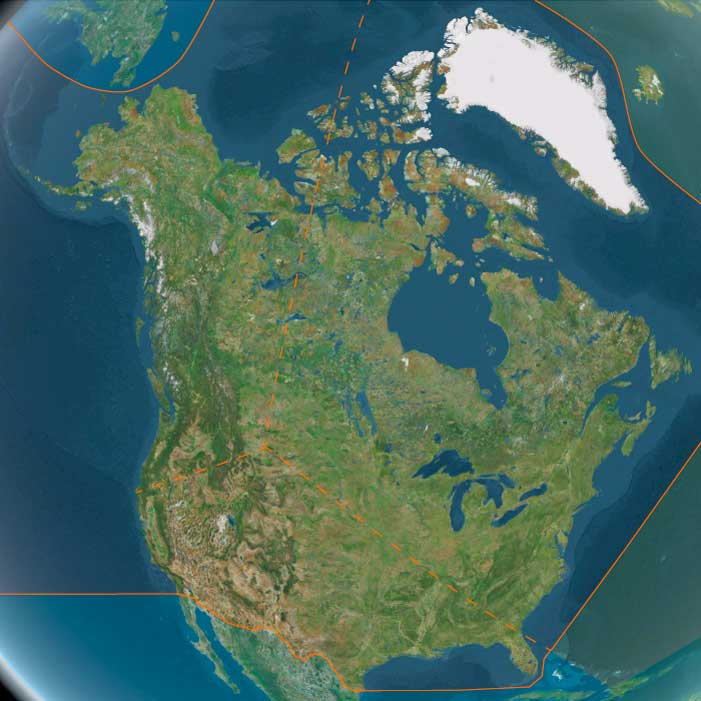
Subregions
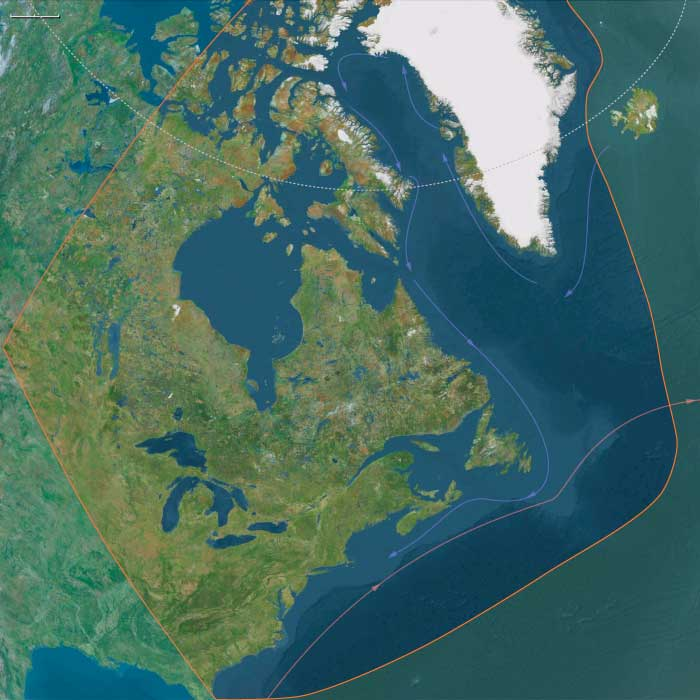
Related Events
Showing 10 events out of 2588 total
Years: 1972 - 1983
Groups
- United States of America (US, USA) (Washington DC)
- OPEC (Organization of the Petroleum Exporting Countries)
Topics
- Middle Subatlantic Period
- Little Ice Age, Warm Phase IV
- Party System, Fifth (United States)
- Cold War
- Vietnam War, or Second Indo-China War
- 1973 oil crisis
- Three Mile Island accident
Commodoties
Subjects
- Commerce
- Writing
- Performing Arts
- Labor and Service
- Conflict
- Government
- Scholarship
- Custom and Law
- Catastrophe
- Finance
- workers' movement
- social movements
Regions
Subregions