
Northern Macaronesia (49,293 – 28,578 BCE) …
Years: 49293BCE - 28578BCE
Northern Macaronesia (49,293 – 28,578 BCE) Upper Pleistocene I — Oceanic Volcanoes in the Ice Age
Geographic and Environmental Context
Northern Macaronesia includes the Azores, Madeira, Porto Santo, and the Selvagens Islands.
-
The Azores: nine volcanic islands in the mid-North Atlantic (São Miguel, Terceira, Pico, Faial, São Jorge, Graciosa, Flores, Corvo, Santa Maria).
-
Madeira Archipelago: Madeira, Porto Santo, and the uninhabited Desertas.
-
Selvagens: small rocky outcrops south of Madeira.
Anchors: Azores volcanic cones and crater lakes (Furnas, Sete Cidades), Madeira’s laurisilva-clad mountains, Porto Santo’s dunes, and Selvagens’ seabird colonies.
-
Northern Macaronesia already formed by volcanic activity, with rugged islands, sheer cliffs, and crater lakes.
-
Continental shelves absent; islands rose steeply from deep oceanic basins.
Climate & Environmental Shifts
-
Colder Ice Age winds swept the Atlantic; sea level ~100 m lower exposed a little extra coastal shelf.
-
Islands experienced harsher winters, but fogs and rain maintained dense forests on Madeira and the Azores.
Subsistence & Settlement
-
No humans yet. Islands populated by seabirds, giant pigeons, rails, lizards, and endemic plants (e.g., Madeira laurel forest, Azorean juniper).
Technology & Material Culture
-
N/A (no humans).
Movement & Interaction Corridors
-
Migratory birds connected the islands to Europe and Africa; ocean currents flowed from the Gulf Stream to the Azores front.
Cultural & Symbolic Expressions
-
None, though later myths would tie the islands to Atlantis.
Environmental Adaptation & Resilience
-
Ecosystems adapted to isolation, with flightless birds and large colonies of petrels.
Transition
By 28,578 BCE, Northern Macaronesia stood as untouched biotic refugia, awaiting eventual human contact.
Topics
Subjects
Regions
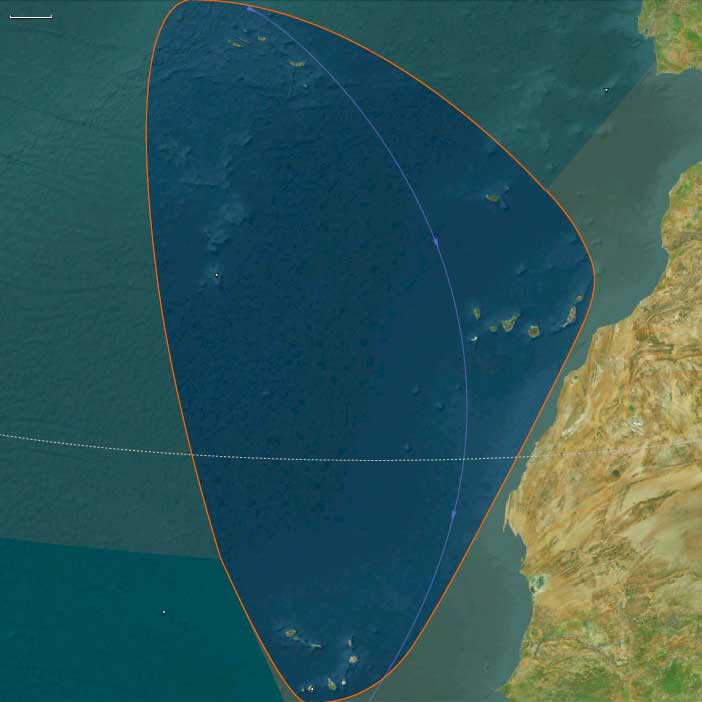
Subregions
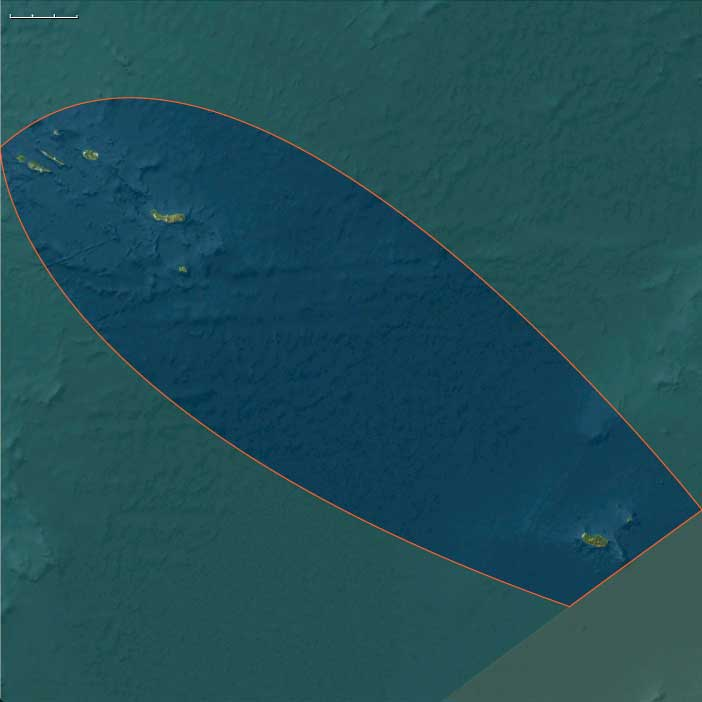
Related Events
Showing 10 events out of 69706 total
Years: 49293BCE - 28578BCE
Topics
Subjects
Regions
Subregions