
Muhammad Ahmad publicly announces his claim to …
Years: 1881 - 1881
Muhammad Ahmad publicly announces his claim to be the Mahdi on June 29, 1881, so as to prepare the way for the second coming of the Prophet Isa (Jesus).
In part, his claim is based on his status as a prominent Sufi sheikh with a large following in the Samaniyya order and among the tribes in the area around Aba Island, yet the idea of the Mahdiyya had been central to the belief of the Samaniyya prior to Muhammad Ahmad's manifestation.
The previous Samaniyya leader, Sheikh al-Qurashi Wad al-Zayn, had asserted that the long-awaited-for redeemer would come from the Samaniyya line.
According to Sheikh al-Qurashi, the Mahdi would make himself known through a number of signs, some established in the early period of Islam and recorded in the Hadith literature, and others having a more distinctly local origin, such as the prediction that the Mahdi would ride the sheikh's pony and erect a dome over his grave after his death.
Despite his popularity among the clerics of the Samaniyya and other sects, and among the tribes of western Sudan, the Ulema, or Orthodox religious authorities, ridicule Muhammad Ahmad's claim to be the Mahdi.
Among his most prominent critics are the Sudanese Ulema loyal to the Ottoman Sultan and in the employ of the Turco-Egyptian government, such as the Mufti Shakir al-Ghazi, who sits on the Council of Appeal in Khartoum, and the Qadi Ahmad al-Azhari in Kordofan.
After consulting the Ulema, Egyptian authorities attempted to arrest him for spreading false doctrine.
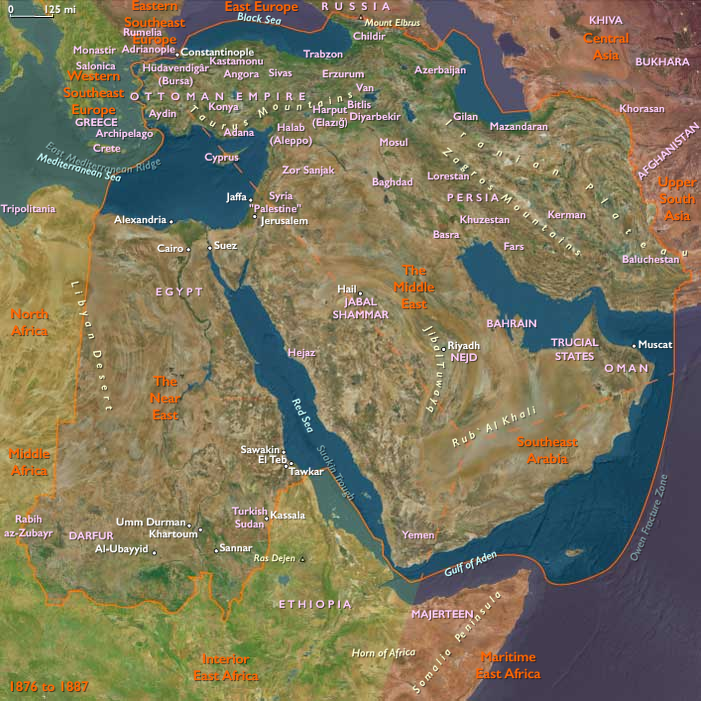
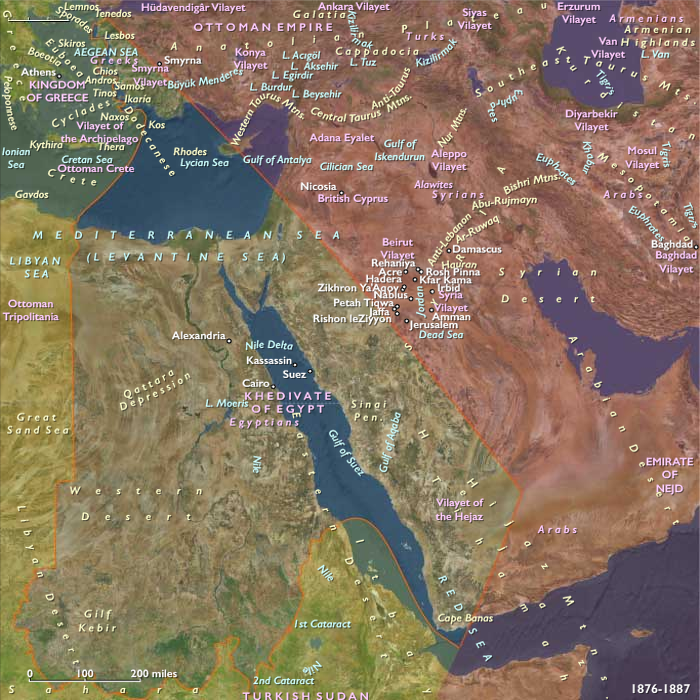
The Mahdi and a party of his followers, the Ansār "Helpers" (known in the West as "the Dervishes"), make a long march to Kurdufan, where he gains a large number of recruits, especially from the Baqqara, and notable leaders such as Sheikh Madibbo ibn Ali of Rizeigat and Abdallahi ibn Muhammad of Ta'aisha tribes.
Although the Mahdist revolution starts in June 1881 in Northern Sudan and is backed by western Sudan, it finds great support from the Nuer, Shilluk and Anuak tribes from southern Sudan in addition to the tribes of Bahr Alghazal, which affirms that the Mahdist revolution is a national revolution and not a regional one.
The Khatmiyya sufi order,which had enjoyed popular support in east and north Sudan, rejects the Mahdi's claim outright.
In response, Mahdist forces attack the Khatmiyya adherents and even ransack the tomb of sayyid Al-Hassan, grandson of the revered religious leader Mohammed Uthman al-Mirghani al-Khatim, in Kassala.
The head of the Khatmiyya sufi order is forced into exile in Egypt for fear of assassination.
Locations
People
Groups
- Muslims, Sunni
- Ottoman Empire
- Britain (United Kingdom of Great Britain and Ireland)
- Sudan, Turco-Egyptian
- Egypt, Khedivate of
Topics
Subjects
Regions
Subregions
Years: 1881 - 1881
Locations
People
Groups
- Muslims, Sunni
- Ottoman Empire
- Britain (United Kingdom of Great Britain and Ireland)
- Sudan, Turco-Egyptian
- Egypt, Khedivate of
Topics
Subjects
Regions
Subregions