Napoleon Targets Portugal – The Prelude to the Invasion (1807)
Following theTreaties of Tilsit (July 1807), which ended theWar of the Fourth Coalition,Napoleon turned his attention to Portugal, frustrated by its continuedeconomic and military ties to Britain.
Reasons for Napoleon’s Hostility Toward Portugal
Portugal was Britain’s oldest ally in Europe, maintainingdiplomatic and economic relationsdespite Napoleon’s demands.
British trade with Brazilwasexpanding, helping Britainoffset the economic impact of the Continental System.
The Royal Navy frequently used Lisbon’s port, making Portugal astrategic asset for British naval operations.
Napoleon sought to seize Portugal’s navy, bolsteringFrench maritime strength.
Prince Regent João of Braganza (ruling for Queen Maria I) refused to fully comply with the Continental System, keepingBritish trade open.
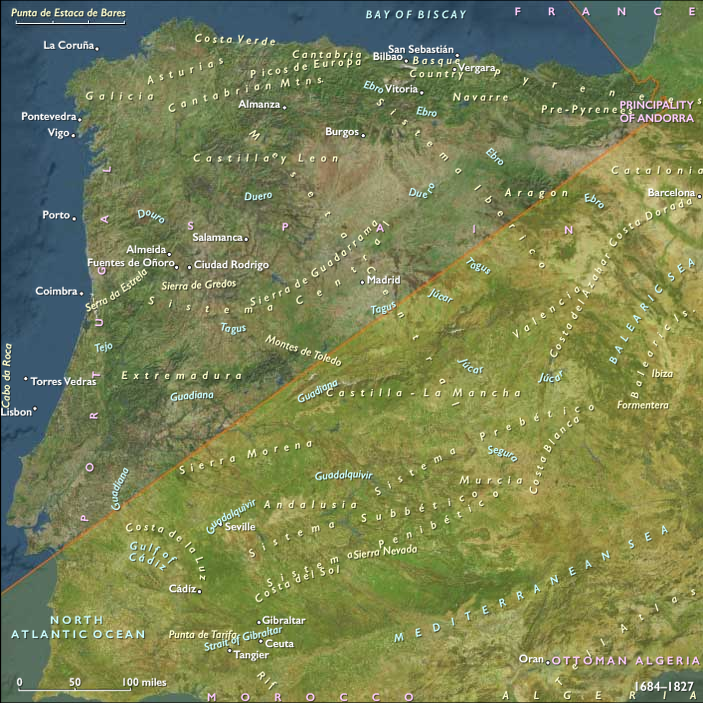
The conquest of Portugal would serve as a stepping stone for Napoleon’s intervention in Spain, where he sought toextend French control.
Napoleon’s Ultimatum to Portugal (July–September 1807)
OnJuly 19, 1807, Napoleon ordered hisPortuguese ambassador to deliver an ultimatum:
Portugal must close its ports to Britain by September 1, or face invasion.
OnAugust 2, Napoleon formally created the1st Corps of the Gironde Army of Observation, placingGeneral Jean-Andoche Junot in command.
Shortly after,Portugal’s shipping in French ports was placed under embargo, signalingeconomic retaliation.
OnSeptember 23, Napoleon publiclythreatened to depose the Braganza dynasty, directly warning thePortuguese minister in France.
The Road to Invasion
DespiteFrench pressure,Portugal hesitated, attempting tobalance its long-standing alliance with Britain while avoiding war with France. However, Napoleonhad already decided on conquest, viewing Portugal as aneasy targetthat would serve as agateway to military intervention in Spain.
Withinweeks, his army wouldcross into Iberia, setting in motion theinvasion of Portugal (November 1807)and the beginning of thePeninsular War.