
Filters:
Prelude to the Battle of Lugdunum (196–197 …
Years: 196 - 196
Prelude to the Battle of Lugdunum (196–197 CE): The Clash Between Septimius Severus and Clodius Albinus
By late 196 CE, Emperor Septimius Severus marched his army from Italy and Germany to confront his rival, Clodius Albinus, who had declared himself emperor in the West. This confrontation was part of the Roman civil war following the death of Emperor Pertinax (193 CE) and the struggle between Severus, Albinus, and Pescennius Niger for control of the empire.
The Initial Engagement at Tinurtium (Tournus, 196 CE)
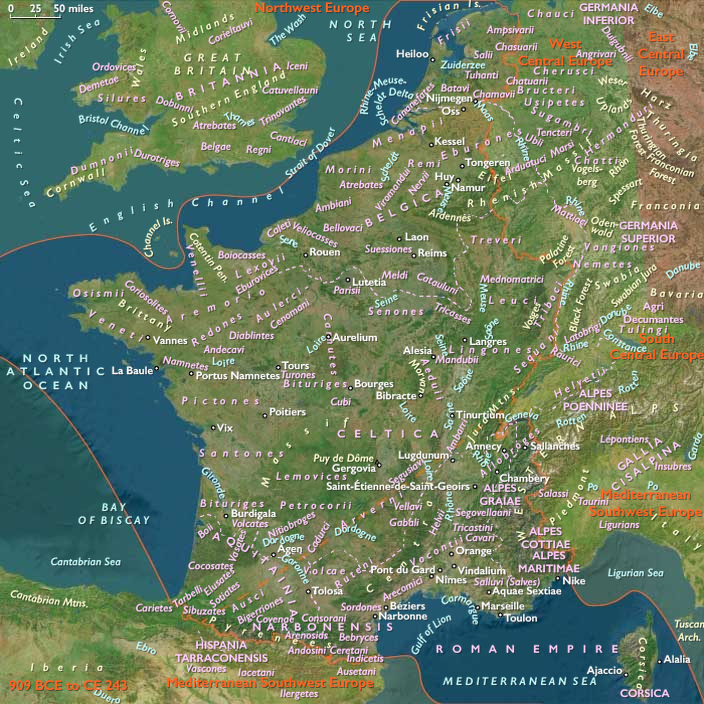
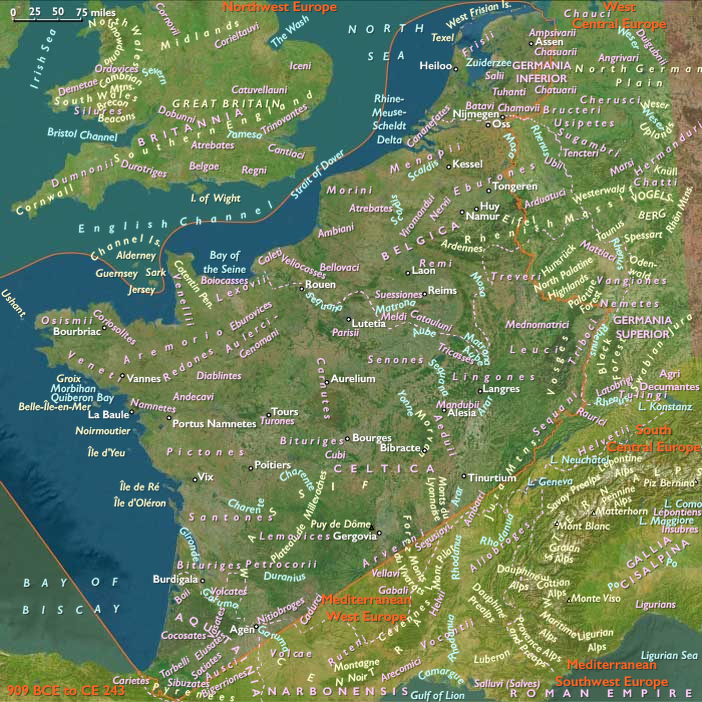
- The armies of Severus and Albinus clashed at Tinurtium (modern Tournus, France), approximately 60 kilometers (37 miles) north of Lugdunum (modern Lyon) along the Saône River.
- The battle was inconclusive, neither side securing a decisive victory.
- Albinus withdrew southward, retreating toward Lugdunum, where he prepared for a final confrontationagainst Severus.
The Strategic Importance of Lugdunum
- Lugdunum (Lyon) was a key Roman stronghold in Gaul, serving as an economic and military hub.
- Control of the city was vital for maintaining dominance over western provinces, including Gaul and Britain, which Albinus governed as imperial governor.
The Path to the Final Battle (197 CE)
- After retreating to Lugdunum, Albinus fortified his position, expecting a major siege or pitched battle.
- Severus pursued Albinus aggressively, intent on eliminating his last serious rival for the throne.
- The Battle of Lugdunum (February 197 CE) would become one of the largest battles between Roman armies, deciding the fate of the empire.
Outcome and Historical Significance
- The final battle at Lugdunum ended with a decisive victory for Severus, securing his position as sole ruler of the Roman Empire.
- Albinus was defeated and either killed in battle or executed afterward.
- Severus consolidated his rule, launching purges against Albinus' supporters, further strengthening the Severan dynasty.
The events at Tinurtium and Lugdunum were crucial moments in the civil war that shaped the future of the empire, marking the triumph of Severus and the rise of the Severan dynasty (193–235 CE).
Locations
People
Groups
- Gallia Narbonensis (Roman province)
- Italy, Roman
- Roman Empire (Rome): Nerva-Antonine dynasty
- Roman Empire (Rome): Severan dynasty
Topics
Commodoties
Subjects
Regions
Subregions
Years: 196 - 196
Locations
People
Groups
- Gallia Narbonensis (Roman province)
- Italy, Roman
- Roman Empire (Rome): Nerva-Antonine dynasty
- Roman Empire (Rome): Severan dynasty
Topics
Commodoties
Subjects
Regions
Subregions