
The area where today's city of Puebla …
Years: 1531 - 1531
April
The area where today's city of Puebla is located is considered by some historians yo have been uninhabited in the Pre-Columbian era, except in the fifteenth century, when this valley had been set aside for use for the so-called Flower Wars among the populations of Itzocan, Tepeaca, Huejotzingo, Texmelucan and Tlaxcala, with those soldiers captured being used as sacrifice victims.
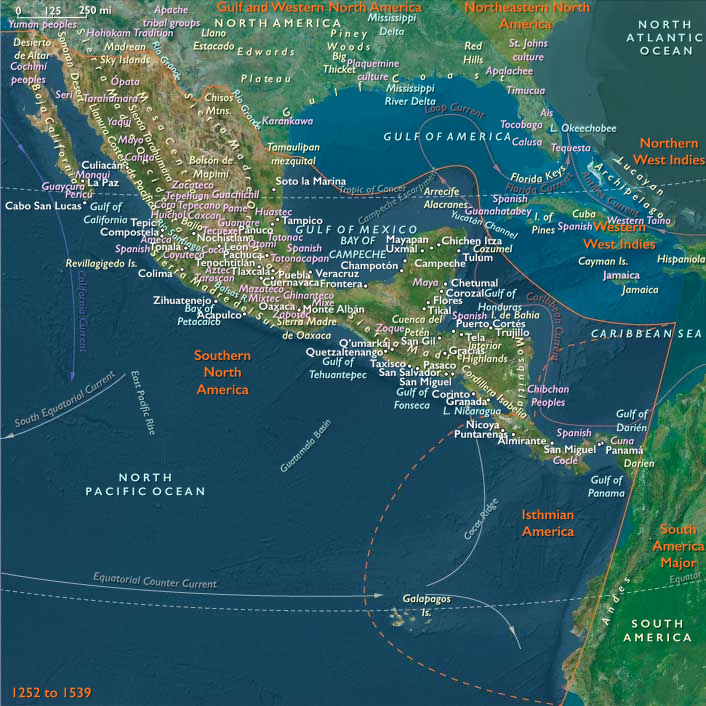
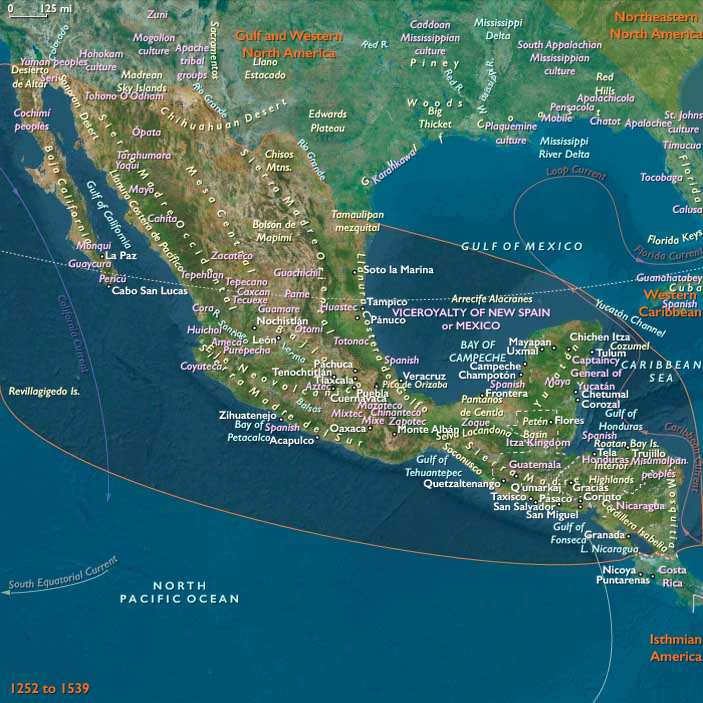
The foundation of Puebla had begun with a letter from the bishop of Tlaxcala in 1530, Julián Garcés, to the Spanish queen outlining the need for a Spanish settlement between Mexico City and the port of Veracruz According to legend, the bishop had a dream about where to build the city.
In this dream, he saw a valley with woods and meadows crossed by a clear river and dotted with freshwater springs on fertile land.
While he was contemplating this scenery, he supposedly saw a group of angels descend from heaven and trace out the city.
Convinced he had seen a divine vision, he celebrated Mass, and took some of the brothers out in search of the place.
Five leagues from the monastery he declared they had found the place shown in the dream.
This legend is the source of Puebla’s original name, Puebla de los Ángeles, and its current nickname Angelópolis (literally, City of Angels).
The city is founded in 1531 the Valley of Cuetlaxcoapan as a Spanish city, not on the foundation of an existing indigenous city-state.
The official date of foundation is April 16, 1531, however, this first attempt at settlement fails due to constant flooding of the site right next to the river.
Several rivers flow through the Valley of Puebla: the San Francisco, Atoyac and the Alseseca.
This valley is bordered by the indigenous city-states-turned-colonial towns of Cholula, Tlaxcala, Huejotzingo and Tepeaca, all of which have large indigenous populations.
After the city’s foundation, this valley will become the main route between Mexico City and Veracruz, the port on the Caribbean coast and the connection to Spain.
Most of the population will move away from the west bank of the San Francisco River to a higher site.
A few families remain behind and rename the original settlement Alto de San Francisco.
The Spanish Crown has supported the founding of Puebla as a city without encomiendas, as this system is being abused and a number of Spaniards are finding themselves landless.
Locations
Groups
Topics
Commodoties
Subjects
Regions
Subregions
Years: 1531 - 1531
April
Locations
Groups
Topics
Commodoties
Subjects
Regions
Subregions