
The anti-Islam Khurramites, an Iranian religious and …
Years: 831 - 831
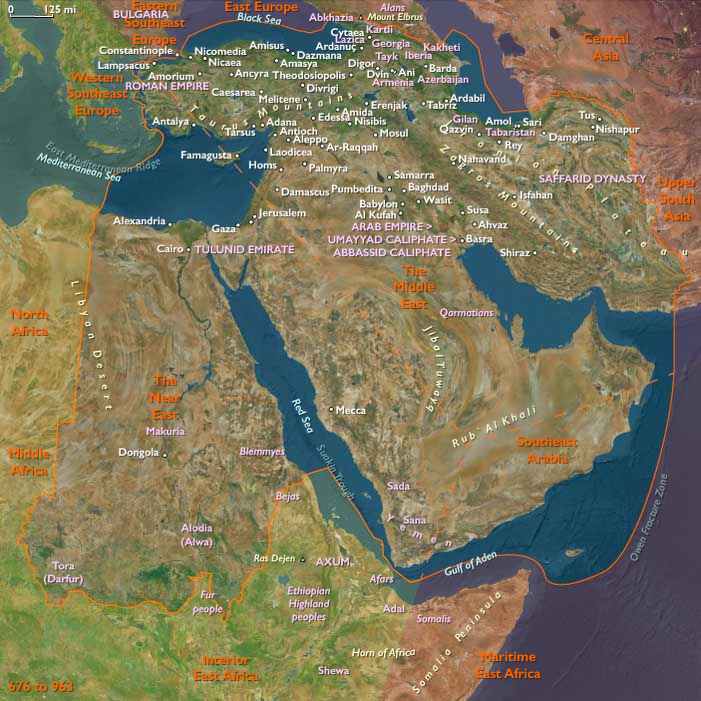
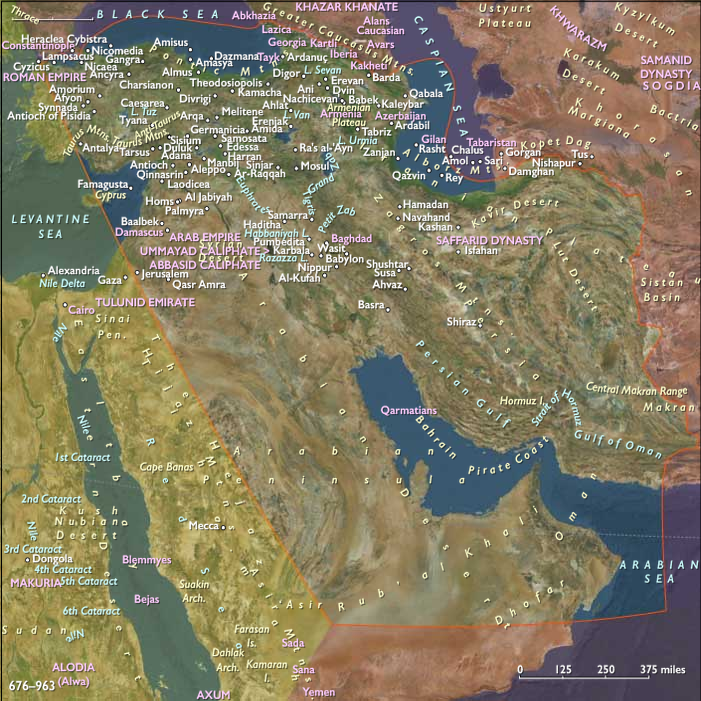
The anti-Islam Khurramites, an Iranian religious and political movement which had appeared in Azerbaijan and the rest of Iran in 814, had been founded by the Persian cleric Sunpadh and is a revitalization of an earlier sect that had mixed Shi'ism and Zoroastrianism; however, its true claim to fame is its adoption by Bābak Khorram-Din as a basis for rebelling against the Abbasid Caliphate.
The sect had grown out of a response to the Abbasids’ execution of Abū Muslim of Khurasan, a famous and popular Persian nationalist, and its adherents deny that he had died, rather claiming that he would return as the messiah.
This message had been further confirmed by the appearance of a prophet named al-Muqanna who claimed that the spirit of God had existed in Muhammad, Ali and Abu Muslim.
Under the leadership of Bābak, the Khurammites had proclaimed the breakup and redistribution of all the great estates and the abolition of Islam.
They had begun making attacks on Muslim forces in Iran and Iraq in 816.
These continue, as the Khurramites fight hey not only against the Caliphate, but also for the preservation of Persian language and culture.
The sect, known alternatively as Muhammrira, "those who wear a red headgear"— a reference to their symbolic red headgear, will continue to attract followers until the sixteenth century when the Safavids take control of Iran and reasserted the Iranian identity of the region, thus becoming the first native dynasty since the Sassanids to establish a unified Iranian state.
(According to Turkish scholar Abdülbaki Gölpinarli, the "Kizilbash" ("Red-Heads"), a religious and political movement in Azerbaijan that helped to establish the Safavid dynasty, were "spiritual descendants of the Khurramites".)
Locations
People
Groups
- Iranian peoples
- Arab people
- Persian people
- Zoroastrians
- Khorasan, Greater
- Islam
- Muslims, Sunni
- Muslims, Shi'a
- Khurramites
- Abbasid Caliphate (Baghdad)
Topics
Commodoties
Subjects
Regions
Subregions
Years: 831 - 831
Locations
People
Groups
- Iranian peoples
- Arab people
- Persian people
- Zoroastrians
- Khorasan, Greater
- Islam
- Muslims, Sunni
- Muslims, Shi'a
- Khurramites
- Abbasid Caliphate (Baghdad)
Topics
Commodoties
Subjects
Regions
Subregions