
Polynesian peoples who had migrated from nearby …
Years: 1252 - 1395
Polynesian peoples who had migrated from nearby Tahiti to the southeast in the sixth century were the first settlers of the Cook Islands.
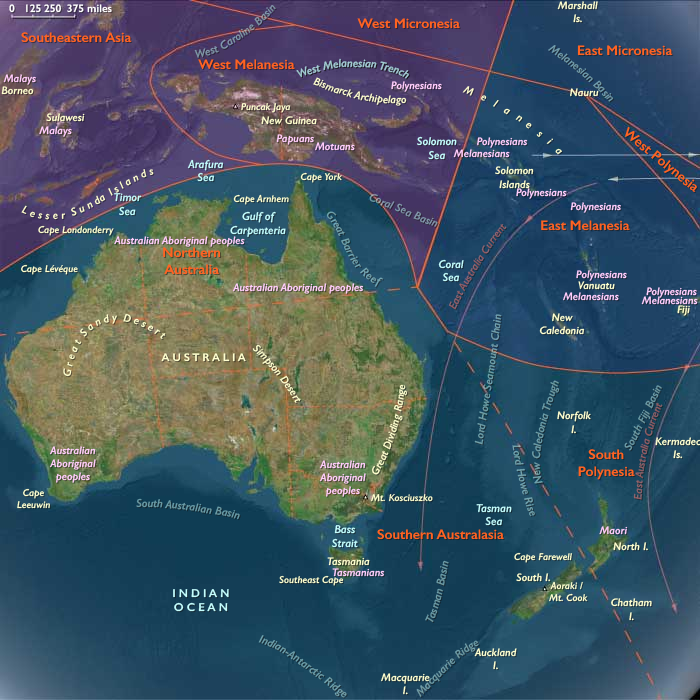
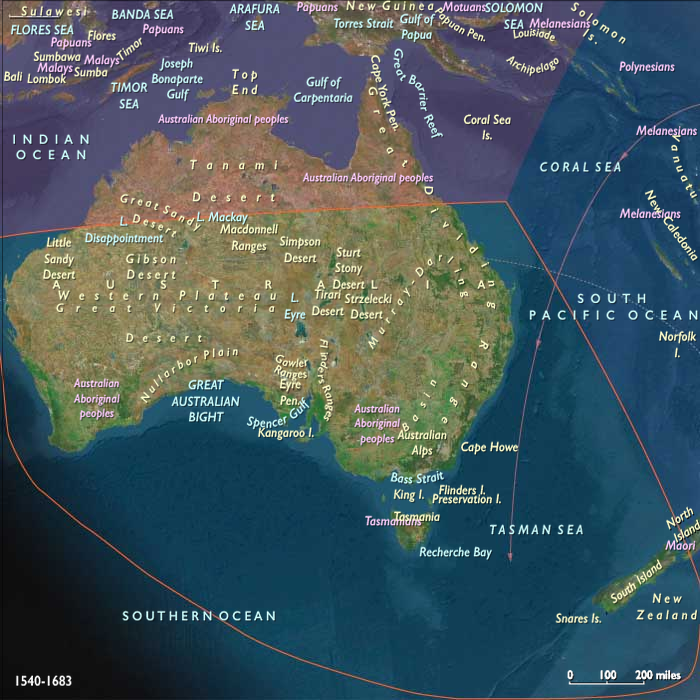
Eastern Polynesian speakers of the Malayo-Polynesian language family, in a subsequent wave of immigration, probably from the Marquesas or Cook Islands, begin to arrive in New Zealand in several waves of canoe voyages between 1250 and 1300, initiating human settlement of the last sizable landmass in the South Pacific.
The most current reliable evidence strongly indicates that initial settlement of New Zealand occurred around 1280 CE at the end of the medieval warm period.
The immigrants settle initially in the Otago region on the east coast of South Island.
The large (up to ten feet tall), flightless birds called moas provide their major food source.
The precise date at which the first inhabitants of New Zealand reached Otago and the extreme south (known to later Māori as Murihiku) remains uncertain.
Māori descend from a race of Polynesian sea-wanderers who, in some far-off age, moved from East Asia and Southeast Asia to the islands of the Pacific.
Tradition tells of their further journeys from Hawaiki to New Zealand, and some commentators have identified this homeland as Havai'i, an island in the Society Group.
Overpopulation, scarcity of food and civil war forced many of them to migrate once more, and New Zealand becomes their new home.
The fierce, belligerent newcomers establish fortified villages, engage in internecine warfare and practice cannibalism.
Commodoties
Subjects
Regions
Subregions
Years: 1252 - 1395
Commodoties
Subjects
Regions
Subregions