
The Frisian Rebellion Against Rorik and His …
Years: 867 - 867
The Frisian Rebellion Against Rorik and His Conversion to Christianity (867)
In 867, the Frisians rise in rebellion against Rorik, the Danish Viking ruler of Friesland, and temporarily liberate the region from Norse control. This event highlights the continued resistance of the native Frisians against Viking dominance and the shifting political dynamics in the Low Countries.
The Frisian Rebellion and Its Consequences
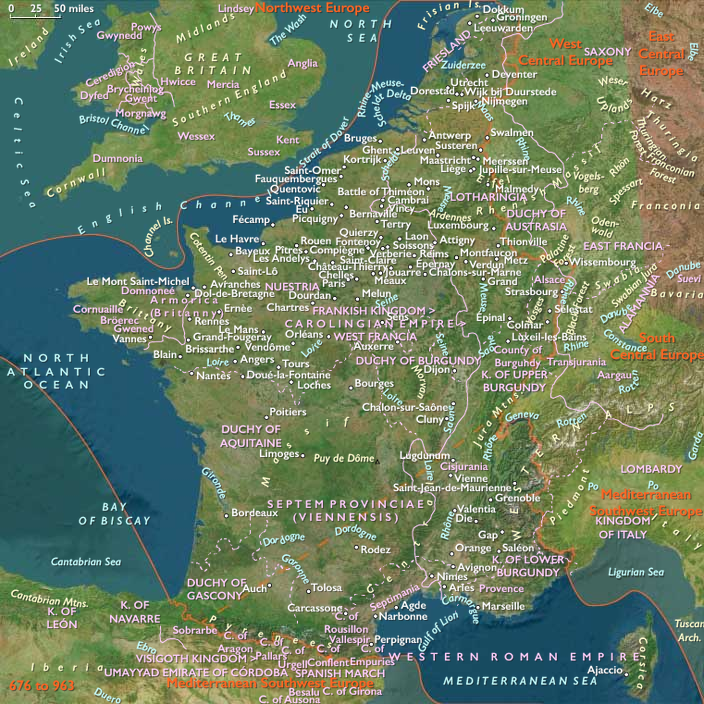
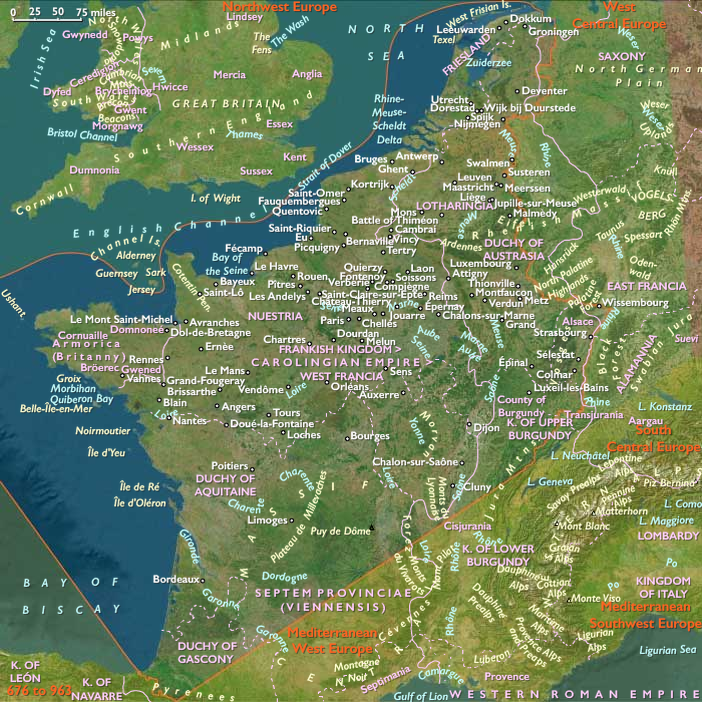
- Friesland had been under Viking rule since the mid-9th century, when Emperor Lothair I granted Rorik control over the region to stabilize it.
- By 867, growing discontent leads the Frisians to revolt, seeking to expel their Norse overlords.
- Though the rebellion is initially successful, Rorik eventually regains control, either by military force or through Frankish intervention.
Rorik’s Alleged Conversion to Christianity
- According to Frankish sources, Rorik converts to Christianity, likely under Frankish influence.
- This parallels similar Carolingian strategies where Viking leaders were baptized and integrated into the Frankish feudal system, as seen earlier with Harald Klak in 826.
- Some scholars see Rorik’s conversion as a means to legitimize his rule over the Frisians, using Frankish support to maintain control.
A Possible Connection to the Christianization of the Rus’ (867)?
- In the same year, 867, Patriarch Photios of Constantinople reports that the Rus’ (possibly under Rurik, the legendary Norse founder of Novgorod) also embrace Christianity.
- If these accounts are accurate, they may indicate a broader trend of Viking rulers converting to Christianity as a means of securing political alliances and stabilizing their rule over native populations.
- However, the Christianization of the Rus' remains disputed, and some argue that it may have been a temporary or politically motivated conversion, much like those of Viking leaders in Francia and England.
Impact of the 867 Rebellion and Rorik’s Conversion
- The rebellion demonstrates that Norse rule over Friesland is still contested and that the Frisians are not passive subjects.
- Rorik’s possible baptism aligns him more closely with the Franks, potentially ensuring Frankish backing against future Frisian uprisings.
- The Carolingian policy of converting Viking leaders continues, influencing later Norse Christianization efforts, including those in Normandy, England, and Scandinavia.
Though the Frisian rebellion of 867 is short-lived, it highlights the fragility of Viking rule in the region and the growing intersection of Norse power with Frankish religious and political influence.
Locations
People
Groups
- Franks
- Christianity, Chalcedonian
- Frisians
- Varangians
- Vikings
- Frankish, or Carolingian (Roman) Empire
- Rus' people
Topics
Commodoties
Subjects
Regions
Subregions
Related Events
Showing 10 events out of 53978 total
Years: 867 - 867
Locations
People
Groups
- Franks
- Christianity, Chalcedonian
- Frisians
- Varangians
- Vikings
- Frankish, or Carolingian (Roman) Empire
- Rus' people
Topics
Commodoties
Subjects
Regions
Subregions