
The investors of the Virginia Company of …
Years: 1609 - 1609
June
The investors of the Virginia Company of London had expected to reap rewards from their speculative investments.
With the Second Supply, they had expressed their frustrations and made demands upon the leaders of Jamestown in written form.
They had specifically demanded that the colonists send commodities sufficient to pay the cost of the voyage, a lump of gold, assurance that they had found the South Sea, and one member of the lost Roanoke Colony.
It had fallen to the third president of the Council to deliver a reply.
By this time, Wingfield and Ratcliffe had been replaced by John Smith.
Ever bold, Smith has delivered what must have been a wake-up call to the investors in London.
In what has been termed "Smith's Rude Answer", he composed a letter, writing (in part): "When you send again I entreat you rather send but thirty Carpenters, husbandmen, gardiners, fishermen, blacksmiths, masons and diggers up of trees, roots, well provided; than a thousand of such awe have: for except wee be able both to lodge them and feed them, the most will consume with want of necessaries before they can be made good for anything."
Smith did begin his letter with something of an apology, saying "I humbly intreat your Pardons if I offend you with my rude Answer...", although it should be noted that at this time, the word 'rude' is acknowledged to mean 'unfinished' or 'rural', in the same way modern English uses 'rustic'.
There are strong indications that those in London comprehend and embrace Smith's message.
Their Third Supply mission is by far the largest and best equipped.
They even have a new purpose-built flagship constructed, the Sea Venture, placed in the most experienced of hands, Christopher Newport.
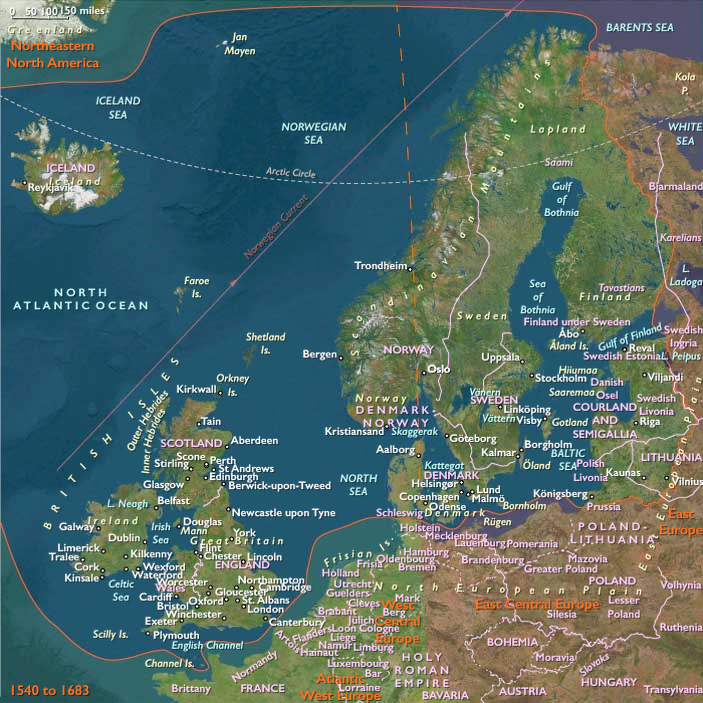
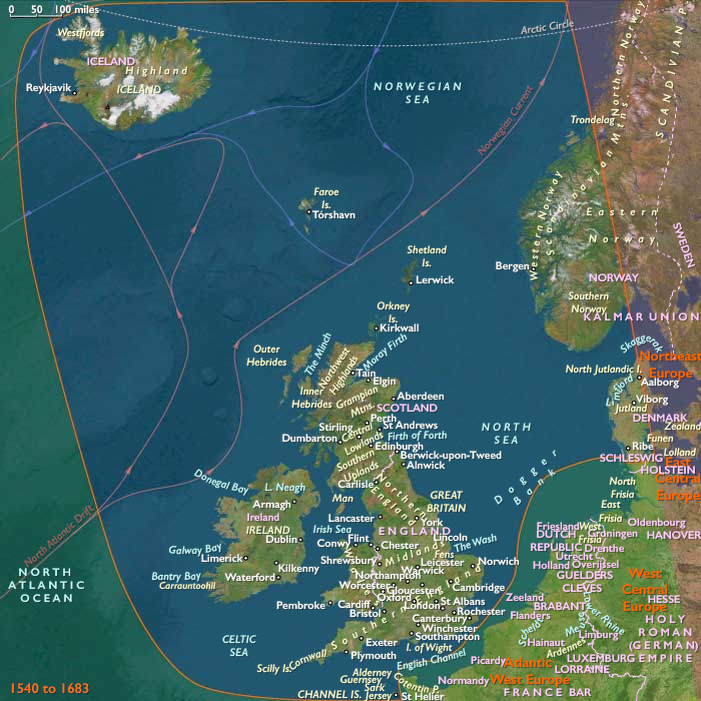
With a fleet of no fewer than eight ships, the Third Supply, led by the Sea Venture with veteran captain Christopher Newport in command as Vice Admiral, leaves Plymouth on June, 1609.
Also aboard the new flagship are the Admiral of the Company, Sir George Somers, Lieutenant-General Sir Thomas Gates, William Strachey and other notable personages in the early history of English colonization in North America.
Locations
People
Groups
- Powhatan (Amerind tribe)
- London Company, The (also called the Virginia Company of London)
- Virginia (English Colony)
Topics
Commodoties
Subjects
Regions
Subregions
Related Events
Showing 10 events out of 33522 total
Years: 1609 - 1609
June
Locations
People
Groups
- Powhatan (Amerind tribe)
- London Company, The (also called the Virginia Company of London)
- Virginia (English Colony)
Topics
Commodoties
Subjects
Regions
Subregions