
Junot’s Army Disintegrates on the March to …
Years: 1807 - 1807
November
Junot’s Army Disintegrates on the March to Lisbon (November 1807)
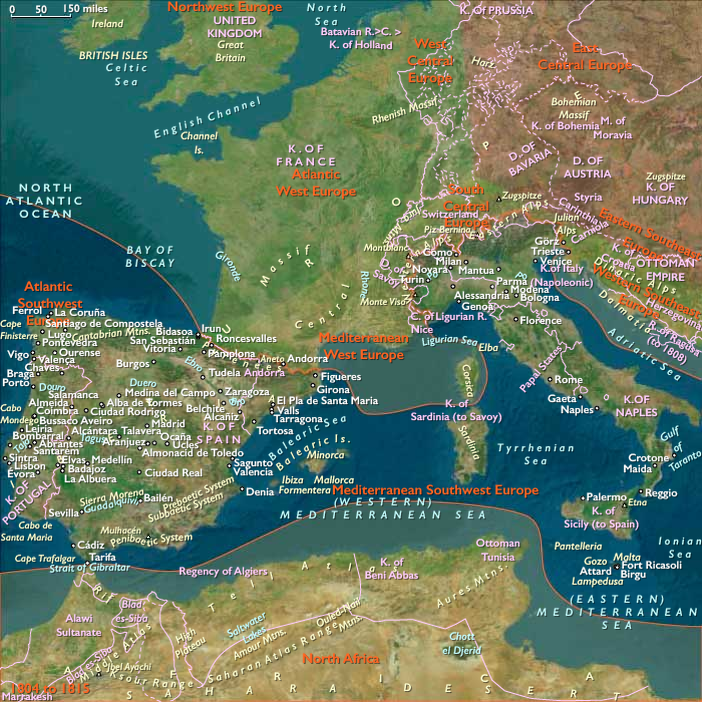
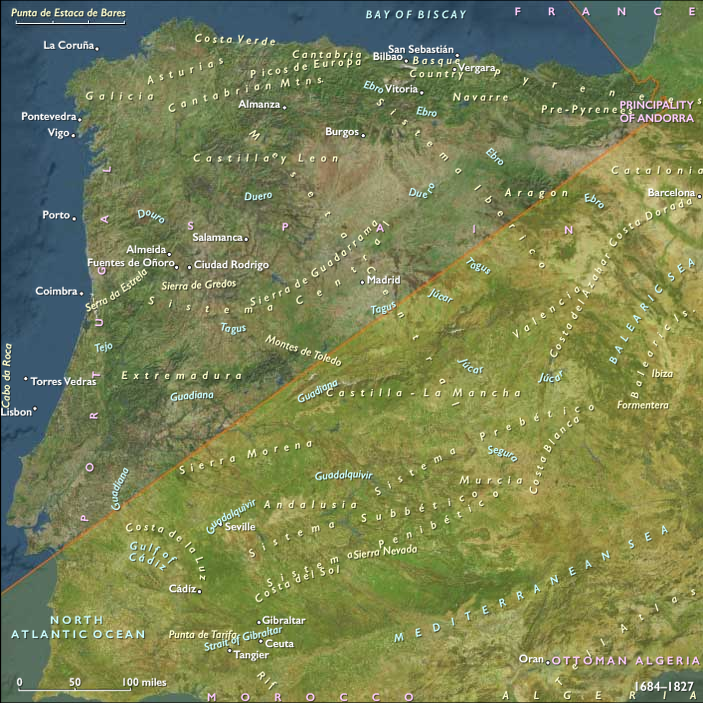
As difficult as the roads had been on the Spanish side, the terrain in Portugal proved even worse. Napoleon’s demand for speed had forced Junot’s army into a logistical nightmare, as they struggled along the Tagus Valley route, which was nothing more than a rough track through a desolate, rocky wilderness.
The Perils of the Portuguese Roads
- The Tagus Valley route lacked proper infrastructure, making movement slow and exhausting.
- Castelo Branco was the only significant town, offering little in the way of supplies or shelter.
- The relentless rain turned the path into muddy, treacherous terrain, further slowing the march.
The Army Breaks Down
- The advance guard limped into Abrantes on November 23, exhausted and barely holding formation.
- By November 26, the rear of the corps had caught up, but the army was in disastrous condition:
- Only four Spanish horse artillery pieces remained—the rest of the guns had been abandoned.
- Half of the army had become stragglers or marauders, searching desperately for food and shelter.
Junot’s Forces on the Brink of Collapse
What had begun as a powerful invasion force was now a battered, starving, and ill-equipped army. Though Lisbon was within reach, Junot’s troops were in no condition to fight, setting the stage for severe challenges in occupying and holding Portugal once they reached their destination.
Locations
People
- Jean-Andoche Junot
- John VI of Portugal
- Manuel de Godoy, Prince of the Peace
- Maria I of Portugal
- Napoleon
Groups
- Portugal, Bragança Kingdom of
- Spain, Bourbon Kingdom of
- Brazil, Viceroyalty of
- France, (first) Empire of
Topics
Subjects
Regions
Subregions
Related Events
Showing 10 events out of 21987 total
Years: 1807 - 1807
November
Locations
People
- Jean-Andoche Junot
- John VI of Portugal
- Manuel de Godoy, Prince of the Peace
- Maria I of Portugal
- Napoleon
Groups
- Portugal, Bragança Kingdom of
- Spain, Bourbon Kingdom of
- Brazil, Viceroyalty of
- France, (first) Empire of
Topics
Subjects
Regions
Subregions