
The Silent Sejm (also Dumb Sejm and, …
Years: 1717 - 1717
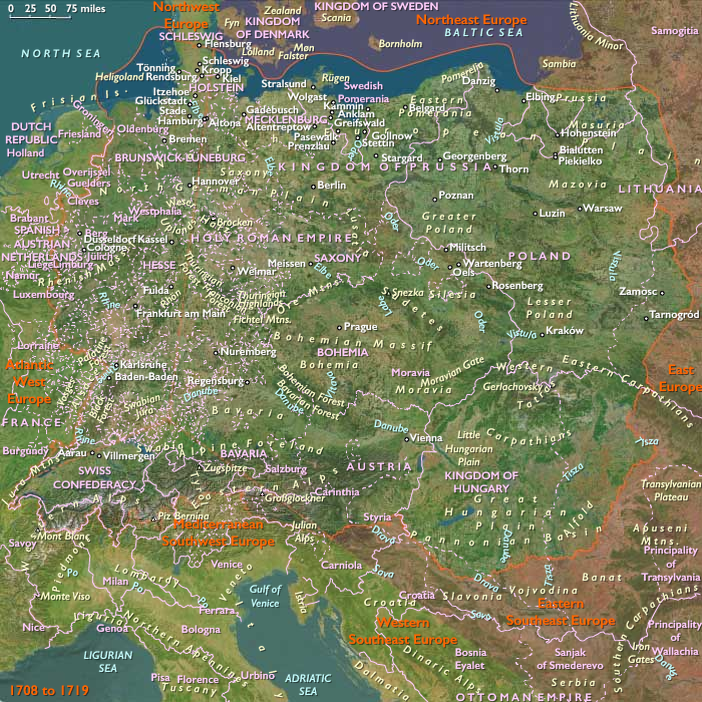
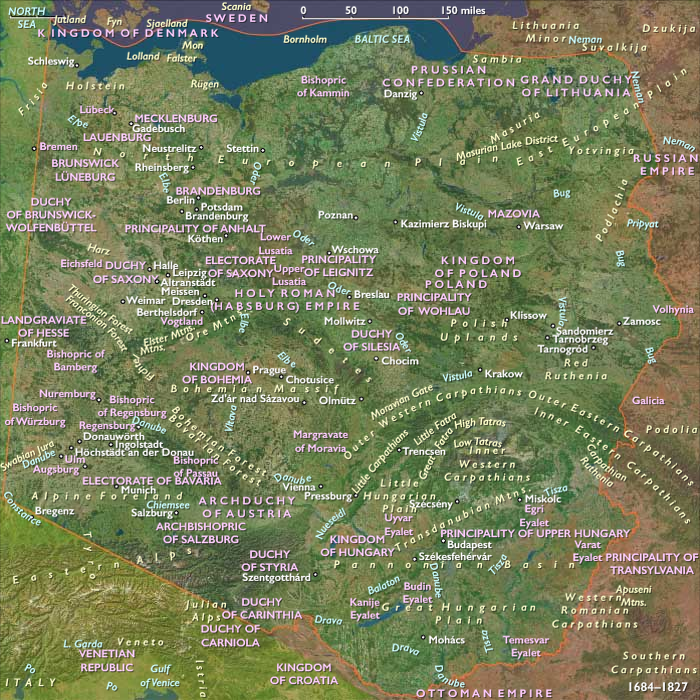
The Silent Sejm (also Dumb Sejm and, literally, Mute Sejm), the name given to the session of the Sejm (parliament) of the Polish-Lithuanian Commonwealth of February 1, 1717, marks the beginning of the Russian Empire's increasing influence and control over the Commonwealth.
To prevent the use of liberum veto from disrupting Sejm proceedings, the session is turned into a confederated sejm. (It is also a pacification sejm).
Threatened by a strong Russian army, with Russian soldiers "guarding" the proceedings, the Silent Sejm is known as such because only the speaker (marshal of the Sejm) Stanisław Ledóchowski (podkomorzy krzemienicki), and a few selected other deputies are allowed a voice, outlining the terms of the settlement.
The terms themselves are significantly designed by Peter the Great.
The Sejm lasts for one day only, or more precisely, six hours.
The Silent Sejm marks the end of Augustus II's attempts to create an absolute monarchy in Poland; he will subsequently focus his efforts on securing the succession of his son to the Polish throne.
While some beneficial reforms are passed (such as the establishment of standing taxes for the military), the Sejm is regarded negatively by modern historians.
The reduction in the size of the army and the establishment of Russia's position as the settlement's guarantor reinforces Commonwealth military inferiority compared to its neighbors, and unofficially, puts it in the position of a Russian protectorate.
The Russian tsar, as the guarantor, now has a convenient excuse to intervene in Polish politics at will.
With a reduced army, removal of Saxon troops and the right to form confederations, the nobility and the king have less power to fight one another—or, not coincidentally, to resist outside forces.
Russian troops will remain in the Commonwealth for two years, supporting opposition to Augustus, and Russia will soon reach an agreement with other powers to put an end to further attempts at the reform and strengthening of the Commonwealth.
Thus, the Silent Sejm is regarded as one of the first precedents for the Russian Empire dictating Polish internal policy, and a precursor to the partitions of Poland, which will erase the Commonwealth from world maps by 1795.
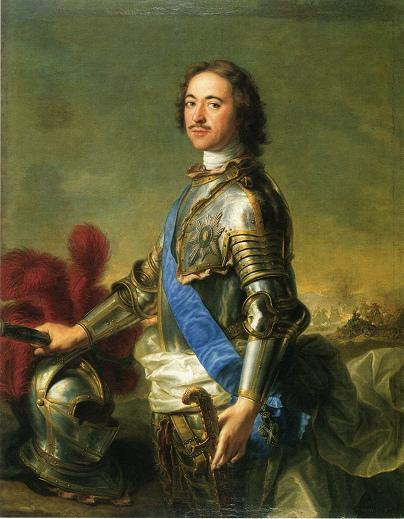
Jean-Marc Nattier (1685–1766) Portrait of Tsar Peter I , 1717; oil on canvas; 142 × 112 cm (55.9 × 44.1 in); Residenz Museum, Munich
Locations
People
Groups
Topics
Commodoties
Subjects
Regions
Subregions
Years: 1717 - 1717
Jean-Marc Nattier (1685–1766) Portrait of Tsar Peter I , 1717; oil on canvas; 142 × 112 cm (55.9 × 44.1 in); Residenz Museum, Munich
Locations
People
Groups
Topics
Commodoties
Subjects
Regions
Subregions