
Filters:
Many people of Chinese descent have been …
Years: 1740 - 1740
July
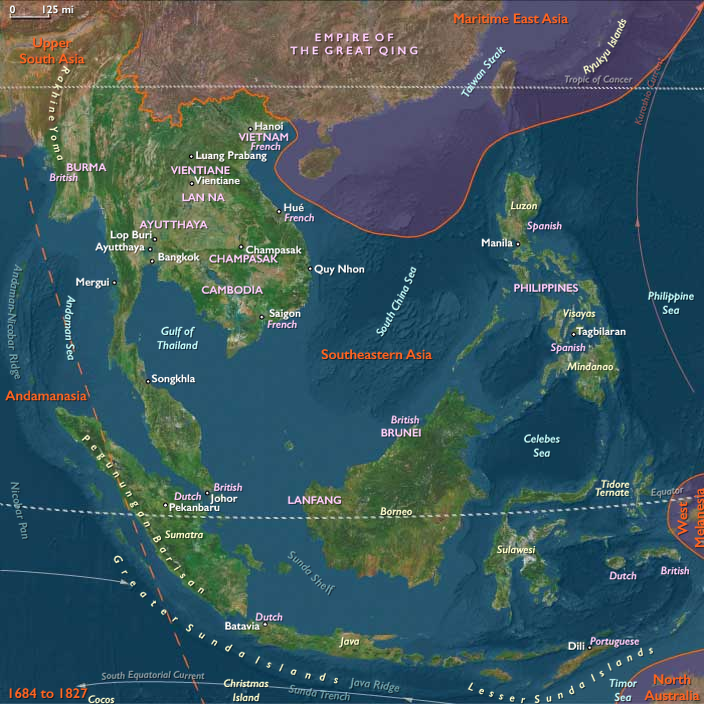
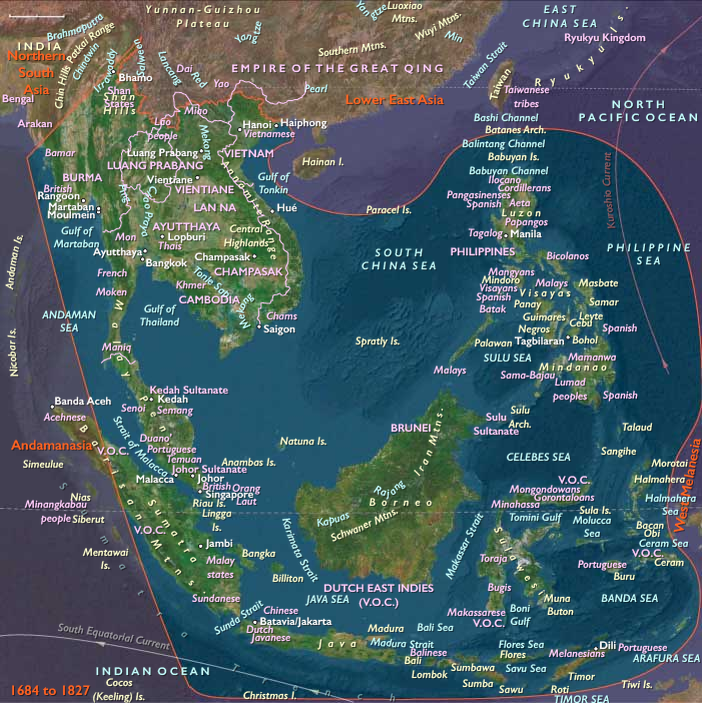
Many people of Chinese descent have been contracted as skilled artisans in the construction of Batavia on the northwestern coast of Java during the early years of the Dutch colonization of the East Indies (modern-day Indonesia); they also serve as traders, sugar mill workers, and shopkeepers.
The economic boom, precipitated by trade between the East Indies and China via the port of Batavia, has increased Chinese immigration to Java.
The number of ethnic Chinese in Batavia had grown rapidly, reaching a total of ten thousand by 1740.
Thousands more live outside the city walls.
The Dutch colonials require them to carry registration papers, and deport those who do not comply to China.
The deportation policy had been tightened during the 1730s, after an outbreak of malaria killed thousands, including the Governor-General of the Dutch East Indies, Dirck van Cloon.
According to Indonesian historian Benny G. Setiono, the outbreak was followed by increased suspicion and resentment in native Indonesians and the Dutch toward the ethnic Chinese, who were growing in number and whose wealth was increasingly visible.
As a result, Commissioner of Native Affairs Roy Ferdinand, under orders of Governor-General Adriaan Valckenier, decrees on July 25, 1740, that Chinese considered suspicious will be deported to Ceylon (modern day Sri Lanka) and forced to harvest cinnamon.
Wealthy Chinese are extorted by corrupt Dutch officials who threaten them with deportation; Stamford Raffles, a British explorer and historian of Java, will note in 1830 that in some Javanese accounts, the Dutch were told by the Chinese captain (the Dutch-appointed leader of the ethnic Chinese) for Batavia, Ni Hoe Kong, to deport all Chinese wearing black or blue because these were thought to be poor.
There are also rumors that deportees were not taken to their destinations but were thrown overboard once out of sight of Java, and in some accounts, they died when rioting on the ships.
The deportation of ethnic Chinese has caused unrest among the remaining Chinese, leading many Chinese workers to desert their jobs.
At the same time, native occupants of Batavia, including the ethnic Betawi servants, have became increasingly distrustful of the Chinese.
Economic factors play a role: most natives are poor, and perceive the Chinese as occupying some of the most prosperous neighborhoods in the city.
Although the Dutch historian A.N. Paasman will note that at this time the Chinese were the "Jews of Asia", the actual situation was more complicated.
Many poor Chinese living in the area around Batavia are sugar mill workers who feel exploited by the Dutch and Chinese elites equally.
Rich Chinese own the mills and are involved in revenue farming and shipping; they draw income from milling and the distillation of arak, a molasses and rice-based alcoholic beverage.
However, the Dutch overlords set the price for sugar, which itself causes unrest.
Because of the decline of worldwide sugar prices that began in the 1720s caused by an increase in exports to Europe and competition from the West Indies, the sugar industry in the East Indies has suffered considerably.
By 1740, worldwide sugar prices have dropped to half the price in 1720.
As sugar is a major export, this causes considerable financial difficulties for the colony.
The economic boom, precipitated by trade between the East Indies and China via the port of Batavia, has increased Chinese immigration to Java.
The number of ethnic Chinese in Batavia had grown rapidly, reaching a total of ten thousand by 1740.
Thousands more live outside the city walls.
The Dutch colonials require them to carry registration papers, and deport those who do not comply to China.
The deportation policy had been tightened during the 1730s, after an outbreak of malaria killed thousands, including the Governor-General of the Dutch East Indies, Dirck van Cloon.
According to Indonesian historian Benny G. Setiono, the outbreak was followed by increased suspicion and resentment in native Indonesians and the Dutch toward the ethnic Chinese, who were growing in number and whose wealth was increasingly visible.
As a result, Commissioner of Native Affairs Roy Ferdinand, under orders of Governor-General Adriaan Valckenier, decrees on July 25, 1740, that Chinese considered suspicious will be deported to Ceylon (modern day Sri Lanka) and forced to harvest cinnamon.
Wealthy Chinese are extorted by corrupt Dutch officials who threaten them with deportation; Stamford Raffles, a British explorer and historian of Java, will note in 1830 that in some Javanese accounts, the Dutch were told by the Chinese captain (the Dutch-appointed leader of the ethnic Chinese) for Batavia, Ni Hoe Kong, to deport all Chinese wearing black or blue because these were thought to be poor.
There are also rumors that deportees were not taken to their destinations but were thrown overboard once out of sight of Java, and in some accounts, they died when rioting on the ships.
The deportation of ethnic Chinese has caused unrest among the remaining Chinese, leading many Chinese workers to desert their jobs.
At the same time, native occupants of Batavia, including the ethnic Betawi servants, have became increasingly distrustful of the Chinese.
Economic factors play a role: most natives are poor, and perceive the Chinese as occupying some of the most prosperous neighborhoods in the city.
Although the Dutch historian A.N. Paasman will note that at this time the Chinese were the "Jews of Asia", the actual situation was more complicated.
Many poor Chinese living in the area around Batavia are sugar mill workers who feel exploited by the Dutch and Chinese elites equally.
Rich Chinese own the mills and are involved in revenue farming and shipping; they draw income from milling and the distillation of arak, a molasses and rice-based alcoholic beverage.
However, the Dutch overlords set the price for sugar, which itself causes unrest.
Because of the decline of worldwide sugar prices that began in the 1720s caused by an increase in exports to Europe and competition from the West Indies, the sugar industry in the East Indies has suffered considerably.
By 1740, worldwide sugar prices have dropped to half the price in 1720.
As sugar is a major export, this causes considerable financial difficulties for the colony.
Locations
People
Groups
- Javanese people
- Chinese (Han) people
- Dutch people
- Netherlands, United Provinces of the (Dutch Republic)
- Dutch East India Company in Indonesia
- Dutch East India Company (Vereenigde Oostindische Compagnie or VOC in Dutch, literally "United East Indies Company")
Topics
Commodoties
Subjects
Regions
Subregions
Years: 1740 - 1740
July
Locations
People
Groups
- Javanese people
- Chinese (Han) people
- Dutch people
- Netherlands, United Provinces of the (Dutch Republic)
- Dutch East India Company in Indonesia
- Dutch East India Company (Vereenigde Oostindische Compagnie or VOC in Dutch, literally "United East Indies Company")
Topics
Commodoties
Subjects
Regions
Subregions