
The Battle of Montalegre – Another Spanish …
Years: 1762 - 1762
May
The Battle of Montalegre – Another Spanish Setback (May 26, 1762)
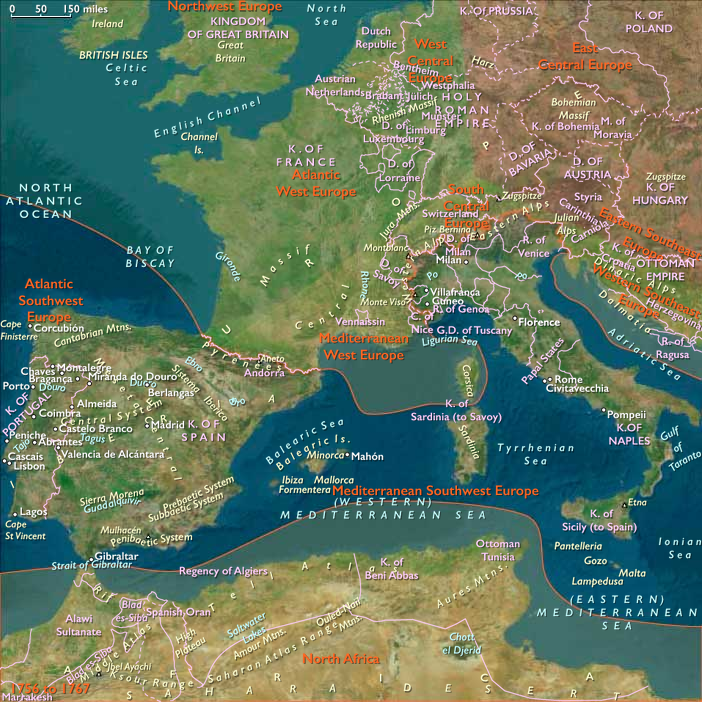
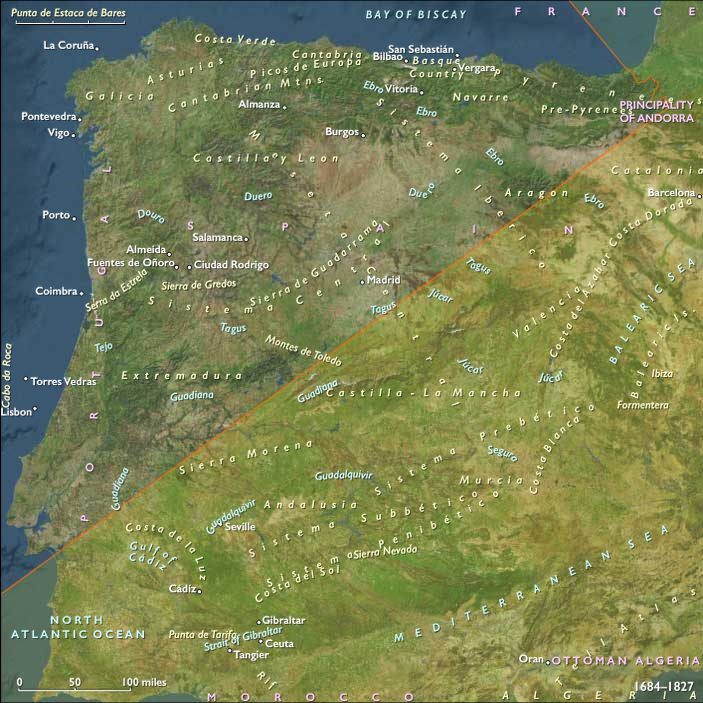
Following their failed attempt to cross the Douro River, another Spanish column marching from Chaves toward the province of Minho—with the ultimate objective of capturing Oporto—met unexpected resistance in the mountains of Montalegre on May 26, 1762.
The Spanish Advance and Portuguese Resistance
The Portuguese defense at Montalegre was primarily composed of Ordenanças (local militias), poorly equipped but highly motivated and experienced in mountain warfare. Taking advantage of the rugged terrain, the Portuguese militias and local inhabitants positioned themselves on the higher ground, ready to ambush the Spanish forces.
- The Spanish forces, unfamiliar with the difficult terrain, struggled to maintain cohesion and supply lines.
- As they moved through the mountainous region, they were harassed by Portuguese irregulars, who used skirmishing tactics, ambushes, and sniper fire to weaken the advancing column.
- The Spaniards launched direct assaults, but their efforts to break through Portuguese defensive positions were repelled with significant losses.
Spanish Retreat and Consequences
After failing to dislodge the defenders and suffering heavy casualties, the Spanish column was forced to retreat, abandoning its attempt to reach Oporto. The defeat at Montalegre, coming just a day after the disastrous Spanish defeat at the Douro River (May 25), was another embarrassing failure for the Bourbon war effort in Portugal.
Strategic Impact
- The defeat at Montalegre further shattered Spanish morale, reinforcing the idea that the Portuguese countryside was far from undefended.
- Spanish and French planners had grossly underestimated the effectiveness of Portuguese irregular forces and the difficult terrain of northern Portugal.
- With multiple Spanish columns failing, the Spanish invasion of Portugal was already showing signs of collapse, well before the main British-Portuguese forces could take full action.
By June 1762, the Spanish invasion had stalled, with multiple setbacks in the north weakening their position and raising questions about the viability of their entire campaign.
Locations
People
- Charles III of Spain
- José I of Portugal
- Nicolás de Carvajal, Marquis of Sarria
- Sebastião José de Carvalho e Melo, 1st Marquis of Pombal
- William Pitt
- William, Count of Schaumburg-Lippe
Groups
- Austria, Archduchy of
- Saxony, Electorate of
- Portuguese Empire
- Río de la Plata, Governorate of the
- Brazil, Colonial
- France, (Bourbon) Kingdom of
- Portugal, Bragança Kingdom of
- Spain, Bourbon Kingdom of
- Prussia, Kingdom of
- Britain, Kingdom of Great
- Russian Empire
Topics
Subjects
Regions
Subregions
Years: 1762 - 1762
May
Locations
People
- Charles III of Spain
- José I of Portugal
- Nicolás de Carvajal, Marquis of Sarria
- Sebastião José de Carvalho e Melo, 1st Marquis of Pombal
- William Pitt
- William, Count of Schaumburg-Lippe
Groups
- Austria, Archduchy of
- Saxony, Electorate of
- Portuguese Empire
- Río de la Plata, Governorate of the
- Brazil, Colonial
- France, (Bourbon) Kingdom of
- Portugal, Bragança Kingdom of
- Spain, Bourbon Kingdom of
- Prussia, Kingdom of
- Britain, Kingdom of Great
- Russian Empire
Topics
Subjects
Regions
Subregions