Event
Abbasid Caliph Mu'tazz is able and energetic,…
Abbasid Caliph Mu'tazz is able and energetic, and tries to control the military chiefs and exclude the military from civil administration.
His policies are resisted, and in July 869, he, too, is deposed and killed.
His successor, al-Muhtadi, also tries to reaffirm the Caliph's authority, but he, too, is killed in June 870.
With Muhtadi's death and the ascension of al-Mu'tamid, the Turkish faction around Musa ibn Bugha, closely associated with Mu'tamid's brother and vizier al-Muwaffaq, becomes dominant in the caliphal court, ending the "anarchy".
Although the Abbasid Caliphate is able to stage a modest recovery in the following decades, the troubles of the "Anarchy at Samarra" inflict great and lasting damage on the structures and prestige of the Abbasid central government, encouraging and facilitating secessionist and rebellious tendencies in the Caliphate's provinces.
A major Kharijite uprising against the Abbasid Caliphate, centered in the districts of Mosul and Diyar Rabi'a in the province of al-Jazira (upper Mesopotamia), will last for approximately thirty years, despite numerous attempts by both the central government and provincial authorities to quell it.
The uprising is initially led by a local Kharijite named Musawir ibn 'Abd al-Hamid al-Shari.
Following Musawir's death in 877, he is eventually succeeded by Harun ibn 'Abdallah al-Bajali, who will remain in command until the end of the rebellion.
-
{# Image navigates to the detail page; the magnifying-glass chip is the only Fancybox lightbox trigger (kept a separate sibling — anchors can't nest). #}
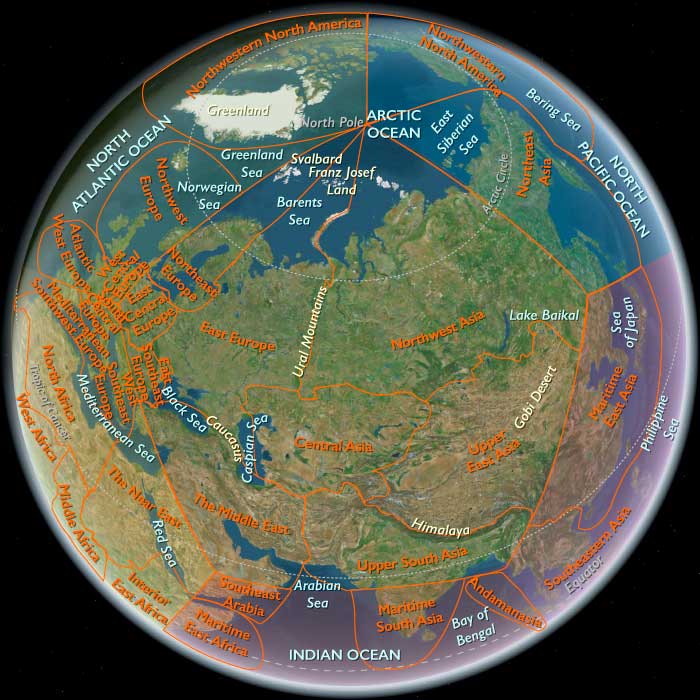
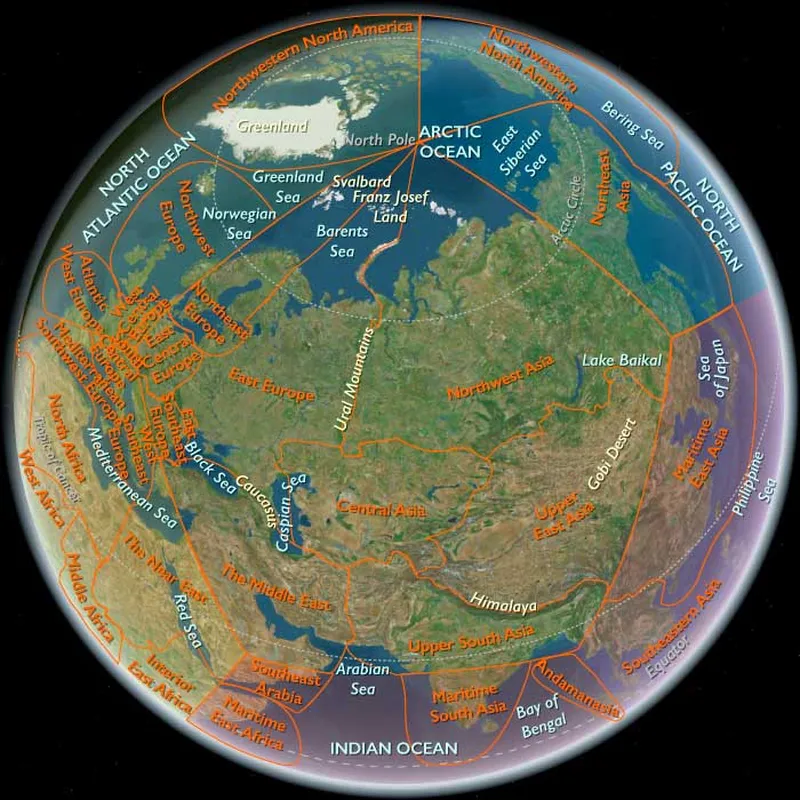 The Great Crossroads
World
The Great Crossroads
World
-
{# Image navigates to the detail page; the magnifying-glass chip is the only Fancybox lightbox trigger (kept a separate sibling — anchors can't nest). #}
 The Near and Middle East
Region
The Near and Middle East
Region
-
{# Image navigates to the detail page; the magnifying-glass chip is the only Fancybox lightbox trigger (kept a separate sibling — anchors can't nest). #}
 Middle East
Subregion
Middle East
Subregion