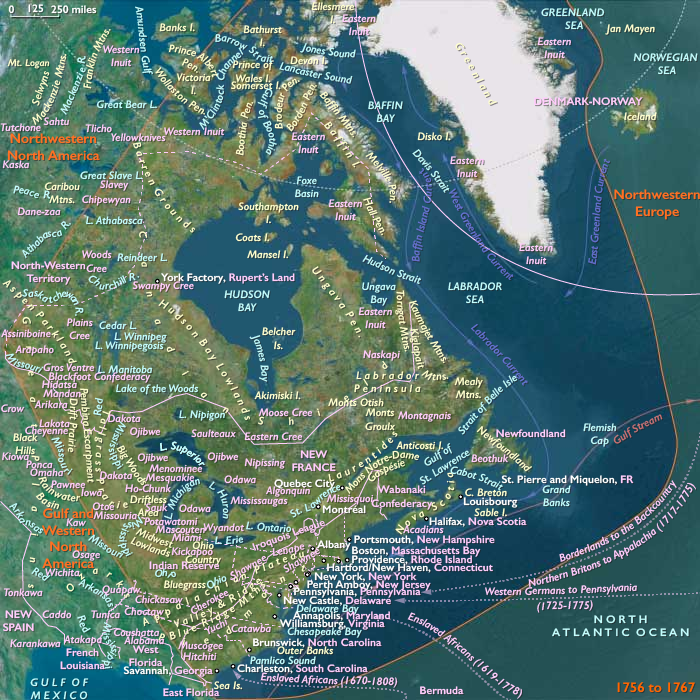
Wolfe's plan of attack depends on secrecy…
September 1759 CE
His plan requires that a small party of men should land by night on the north shore, climb the tall cliff, seize a small road, and overpower the garrison that protected it, allowing the bulk of his army (five thousand men) to ascend the cliff by the small road and then deploy for battle on the plateau.
Even if the first landing party succeeds in their mission and the army is able to follow, such a deployment will still leave his forces inside the French line of defense with no immediate retreat but the river.
It is possible that Wolfe's decision to change the landing site is owing less to a desire for secrecy and more to his general disdain for his brigadiers (a feeling that is reciprocated); it is also possible that he is still suffering the effects of his illness and the opiates he uses as painkillers.
Anderson believes Wolfe ordered the attack believing the advanced guard would be repulsed, and anticipated dying gallantly with his men rather than returning home in disgrace. (Anderson, Fred (2000), Crucible of War: The Seven Years’ War and the Fate of Empire in British North America, 1754–1766, New York: Alfred A. Knopf, pp. 354, 789.)
People
François-Charles de Bourlamaque
View →
James Cook
View →
James Wolfe
View →
Jeffery Amherst, 1st Baron Amherst
View →
Louis-Antoine de Bougainville
View →
Louis-Joseph de Montcalm
View →
Pierre de Rigaud de Vaudreuil de Cavagnal, Marquis de Vaudreuil
View →
Robert Rogers
View →
Thomas Gage
View →
William Johnson, 1st Baronet
View →
William Pitt
View →
Groups
Topics
Regions
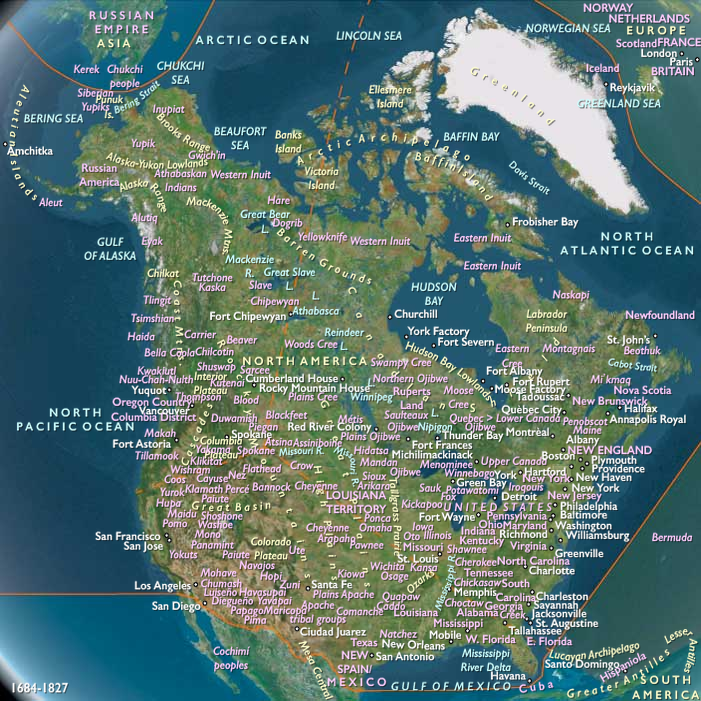
Northern North America
View →Subregions