Event
Indian Removal Act Forces Tribes West of the Mississippi
Congress passes the Indian Removal Act, which authorizes the president to negotiate treaties that exchanged Native American tribal lands in the eastern states for lands west of the Mississippi River, in 1830.
Its goal is primarily to remove Native Americans, including the "Five Civilized Tribes", from the American Southeast; they occupy land that settlers want.
Jacksonian Democrats demand the forcible removal of native populations who refuse to acknowledge state laws to reservations in the West; Whigs and religious leaders oppose the move as inhumane.
Thousands of deaths result from the relocations, as seen in the Cherokee Trail of Tears.
The Trail of Tears results in approximately two thousand to eight thousand of the sixteen thousand five hundred and forty-three relocated Cherokee perish along the way.
Many of the Seminole Indians in Florida refuse to move west; they fight the Army for years in the Seminole Wars.
-
{# Image navigates to the detail page; the magnifying-glass chip is the only Fancybox lightbox trigger (kept a separate sibling — anchors can't nest). #}
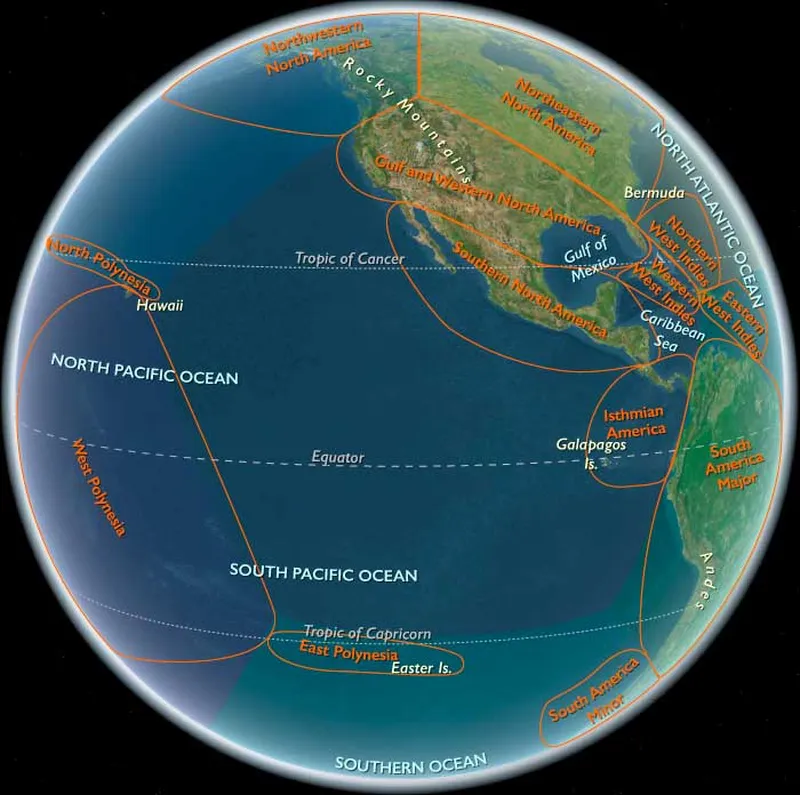 The Far West
World
-
{# Image navigates to the detail page; the magnifying-glass chip is the only Fancybox lightbox trigger (kept a separate sibling — anchors can't nest). #}
 The North Atlantic Lands
World
-
{# Image navigates to the detail page; the magnifying-glass chip is the only Fancybox lightbox trigger (kept a separate sibling — anchors can't nest). #}
 Northern North America
Region
-
{# Image navigates to the detail page; the magnifying-glass chip is the only Fancybox lightbox trigger (kept a separate sibling — anchors can't nest). #}
 Northeastern North America
Subregion
-
{# Image navigates to the detail page; the magnifying-glass chip is the only Fancybox lightbox trigger (kept a separate sibling — anchors can't nest). #}
 Gulf and Western North America
Subregion