Albrecht Dürer's Artistic Journey to the Netherlands…
August 1520 CE
Albrecht Dürer's Artistic Journey to the Netherlands (1520)
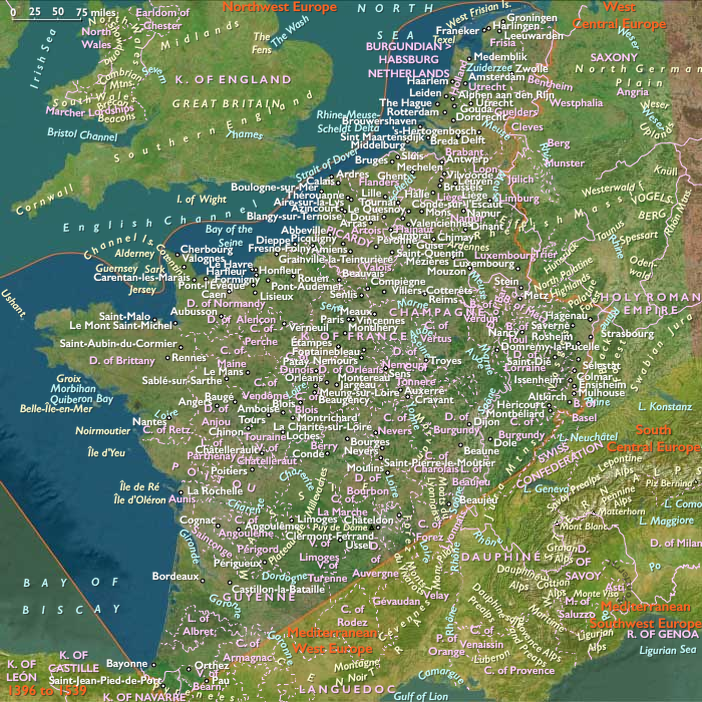
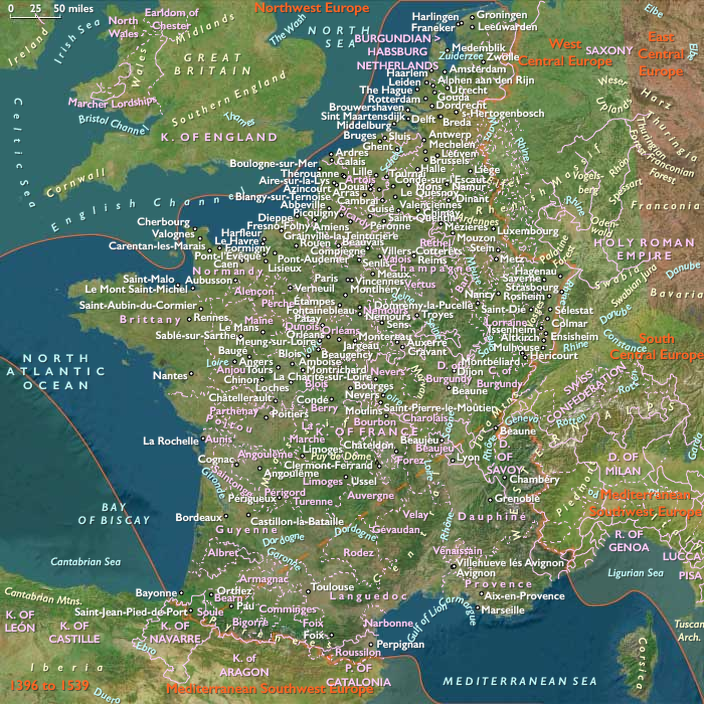
In 1520, the renowned German artist Albrecht Dürer embarks on a significant journey with his wife and her maid, traveling via the Rhine to Cologne, and then onward to Antwerp. His arrival in Antwerp is warmly received, and he produces numerous drawings using silverpoint, chalk, and charcoal. Beyond attending the coronation of Emperor Charles V, Dürer explores key artistic and cultural centers, including:
- Cologne, where he admires the work of painter Stefan Lochner.
- Nijmegen and 's-Hertogenbosch, experiencing the broader Netherlandish artistic environment.
- Bruges, where he marvels at Michelangelo’s Madonna of Bruges.
- Ghent, captivated by the splendor of Jan van Eyck’s Ghent Altarpiece.
- Zeeland, exploring more of the region’s artistic heritage.
Significantly, Dürer has traveled with an extensive stock of prints. His meticulous diary entries record precisely whom he sold, gifted, or exchanged these prints with, including details of their monetary values—a rare documentation for the period, as such transactions were seldom recorded for prints, unlike paintings. His journal entries indicate clearly, however, that the financial returns from this trip fall short of expectations. One illustrative instance involves a portrait of Emperor Maximilian I, which Dürer had offered to Maximilian’s daughter, Regent Margaret of Austria; however, after Margaret expresses dissatisfaction and declines the portrait, Dürer eventually trades the artwork merely for some white cloth.
Throughout his travels, Dürer meets many prominent artists of his time, including Bernard van Orley, Jan Provoost, Gerard Horenbout, sculptor Jean Mone, landscape painter Joachim Patinir, and Tommaso Vincidor, a pupil of Raphael. Curiously, he does not encounter the influential Antwerp painter Quentin Matsys during his journey.
People
Regions
West Europe
View →Subregions