
The Quest for Gold and the European …
Years: 1396 - 1539
The Quest for Gold and the European Age of Exploration
The desire for gold was one of the primary motivations behind European explorations and conquests in Africa and the Western Hemisphere during the 15th and 16th centuries. Wealth from gold fueled economies, financed wars, and expanded European influence worldwide.
Gold and the African Expeditions
-
Portuguese Expansion (15th Century)
- Portugal, under Prince Henry the Navigator, began exploring the West African coast in search of gold sources.
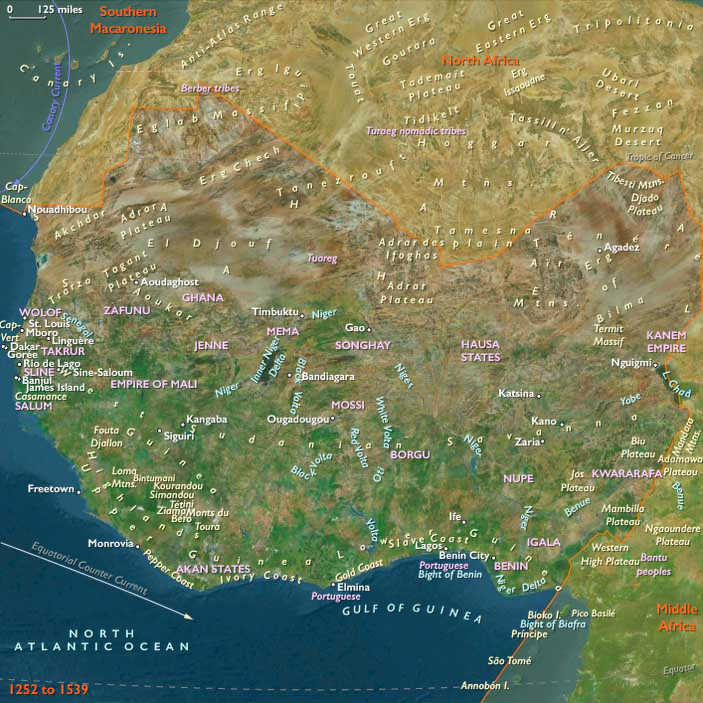
- The Portuguese established trading posts (feitorias) along the coasts of Senegal, Ghana (Gold Coast), and Benin, tapping into existing African gold trade networks.
- In 1471, the Portuguese reached the Gold Coast (modern Ghana), one of the richest gold-producing regions in Africa.
- By 1482, they built Elmina Castle, their first major African trading fort, to control the gold trade.
-
The Trans-Saharan Gold Trade Declines
- Before European expansion, gold was traded across the Sahara to North Africa and the Mediterranean.
- The Portuguese diverted the gold trade to the Atlantic, weakening North African and Islamic control over West African gold.
- European access to African gold strengthened monarchies and banking systems, financing further explorations and military conquests.
Gold and the Discovery of the Western Hemisphere
-
Christopher Columbus’s Voyages (1492–1504)
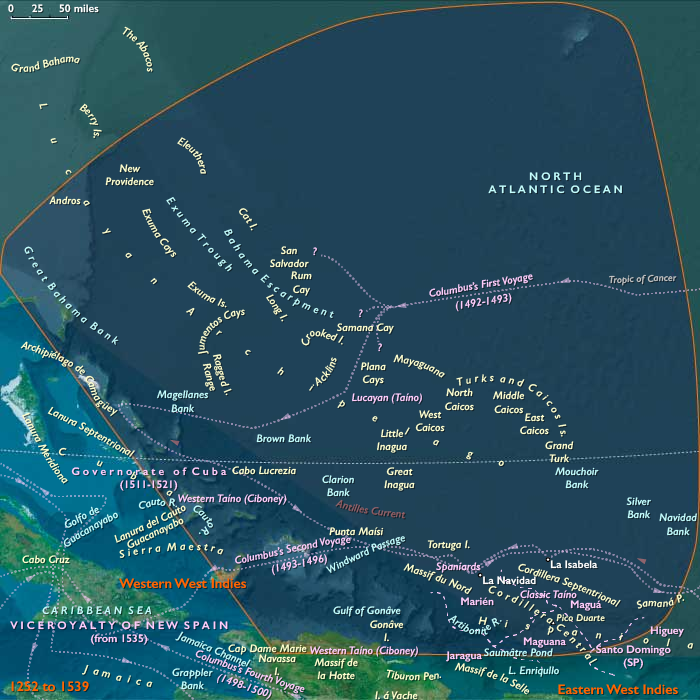
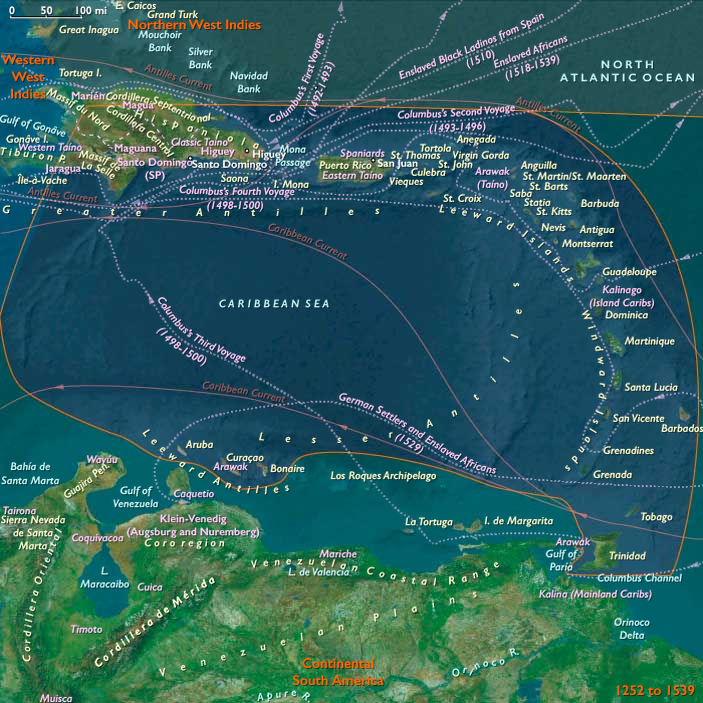
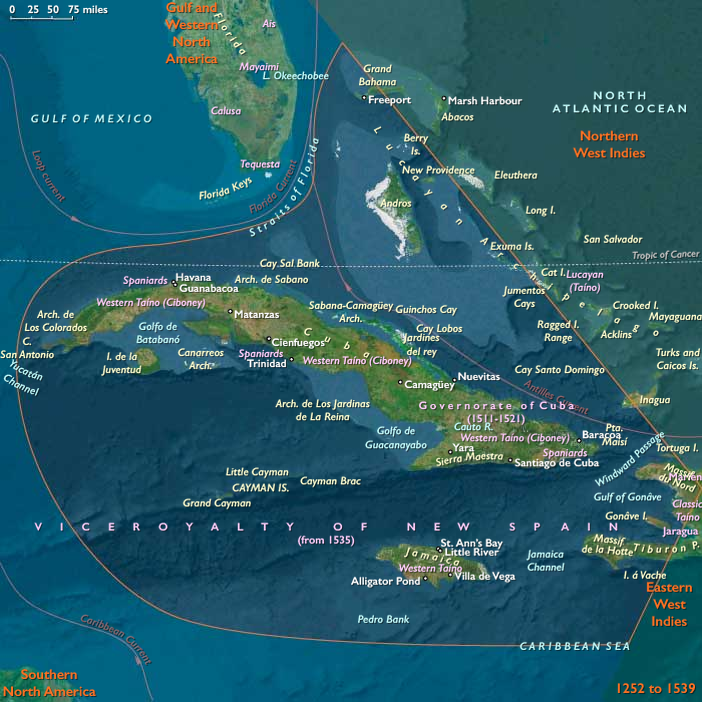
- Spain’s sponsorship of Columbus was partly motivated by the promise of gold.
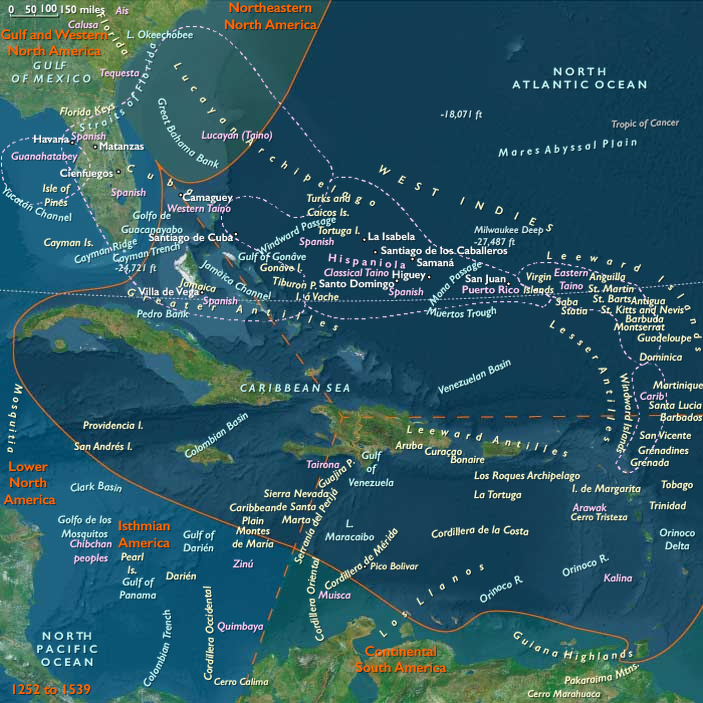
- In Hispaniola and Cuba, Columbus’s men searched for gold deposits, enslaving indigenous peoples to work in gold mines.
- The lack of substantial gold deposits in the Caribbean pushed Spain to explore deeper into the Americas.
-
The Spanish Conquests in the Americas
- Hernán Cortés (1519–1521) defeated the Aztec Empire, capturing its golden treasures, melting them down to finance the Spanish Crown.
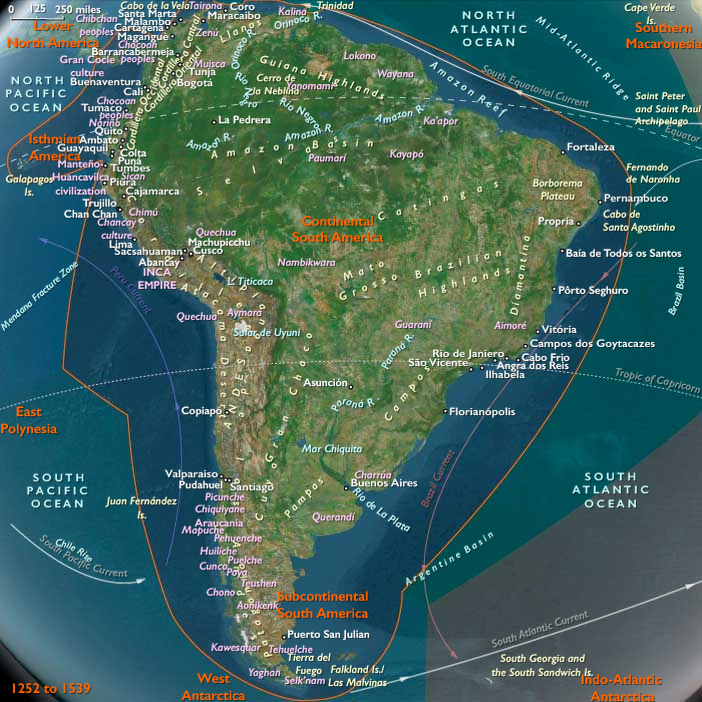
- Francisco Pizarro (1532–1533) conquered the Inca Empire, where gold was considered sacred, seizing vast quantities from temples, royal tombs, and palaces.
- The gold and silver mines of Potosí (Bolivia) and Zacatecas (Mexico) became the largest sources of wealth for Spain, financing its imperial dominance in Europe.
Impact of the Gold Rush on European Empires
-
Economic and Political Power
- Gold allowed European monarchies to strengthen their military and bureaucratic systems.
- The influx of gold fueled the Commercial Revolution, expanding banking, investment, and trade.
-
The Slave Trade and Labor Exploitation
- The insatiable demand for gold led to forced labor systems like the encomienda in the Americas.
- African slave labor became essential in gold and silver mining operations.
-
Increased Rivalries and Colonization
- European powers competed fiercely for control of gold-rich territories, leading to colonial wars and empire-building.
- The search for gold pushed explorers deeper into uncharted lands, accelerating European territorial expansion.
Conclusion: Gold as the Catalyst for Global Expansion
The quest for gold was one of the strongest driving forces behind European exploration and conquest. It funded empires, fueled wars, and transformed global economies, playing a pivotal role in shaping the Age of Exploration and the creation of the Atlantic World.
Topics
- Sub-Saharan Africa, Medieval
- Interaction with Subsaharan Africa, Early European
- Colonization of the Americas, Portuguese
- Columbian Exchange
- Colonization of the Americas, Spanish
- Aztec Empire, Spanish conquest of the
- Colonization of the Americas, French
- Colonization of the Americas, German
- Inca Empire, Spanish Conquest of the
- Cartier's explorations of North America
- De Soto's exploration of North America
Commodoties
Subjects
Regions
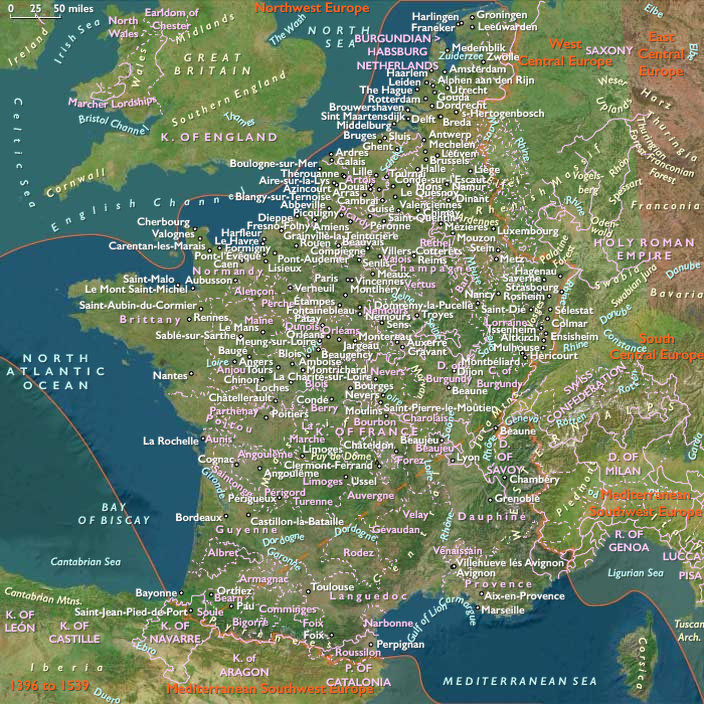
- West Europe
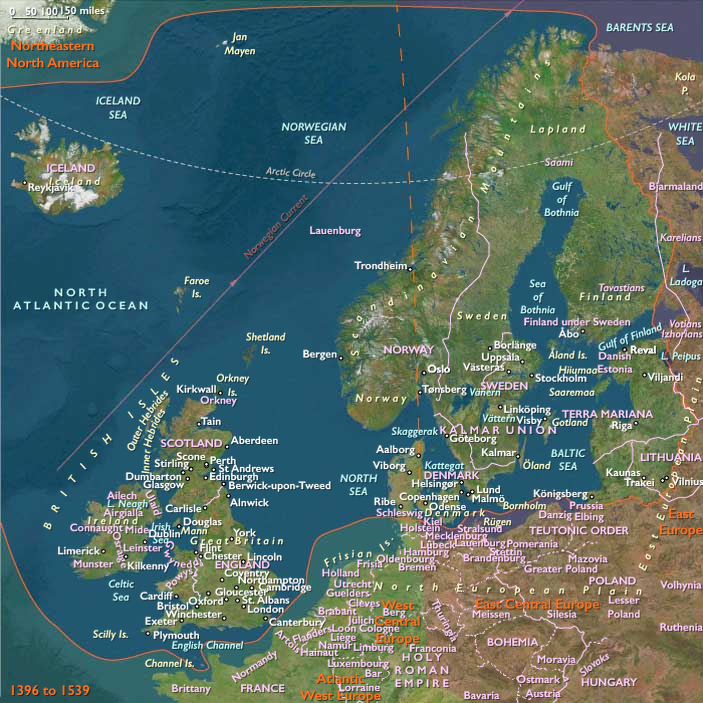
- North Europe
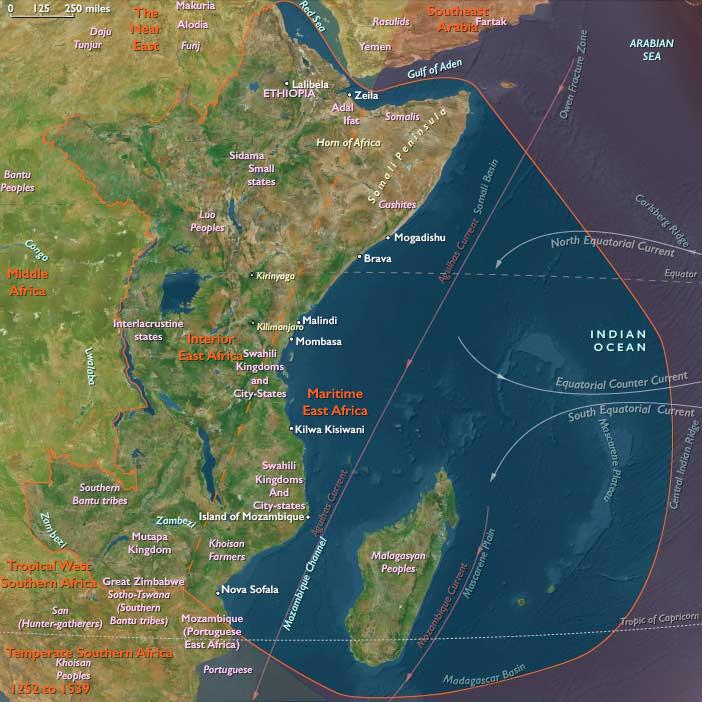
- East Africa
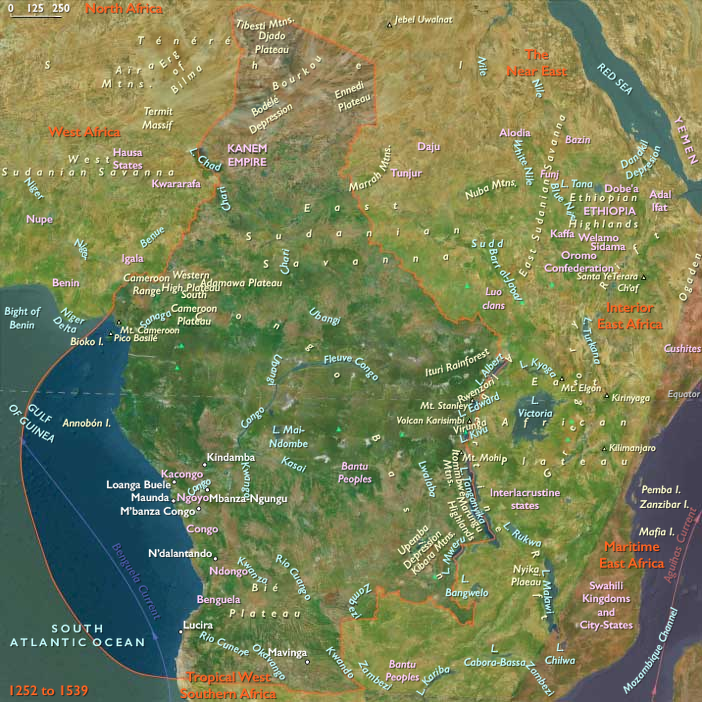
- Middle Africa
- West Africa
- Southwest Europe
- Northern North America
- West Indies
- South America
Subregions
- Maritime East Africa
- Western Southeast Europe
- Mediterranean Southwest Europe
- Atlantic Southwest Europe
- Atlantic West Europe
- Northwest Europe
- Northeastern North America
- Northern West Indies
- Eastern West Indies
- Western West Indies
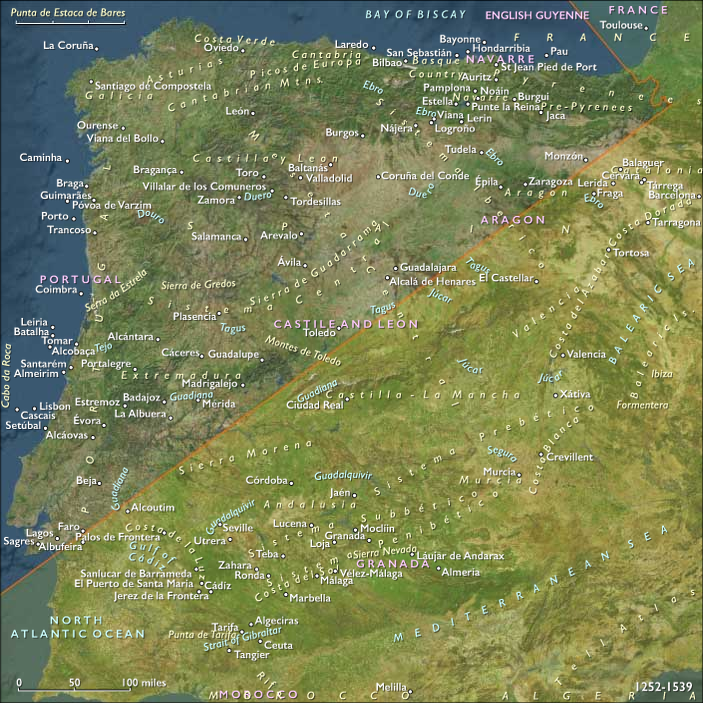
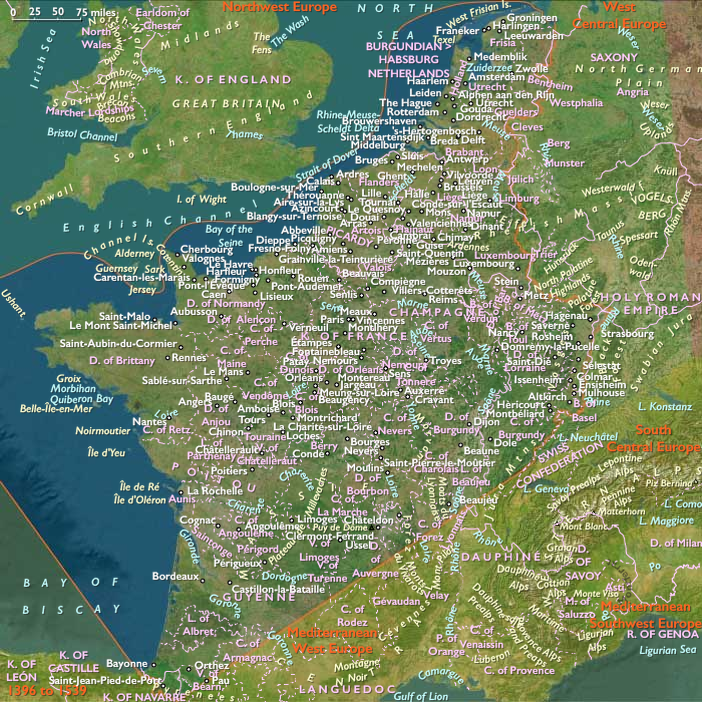
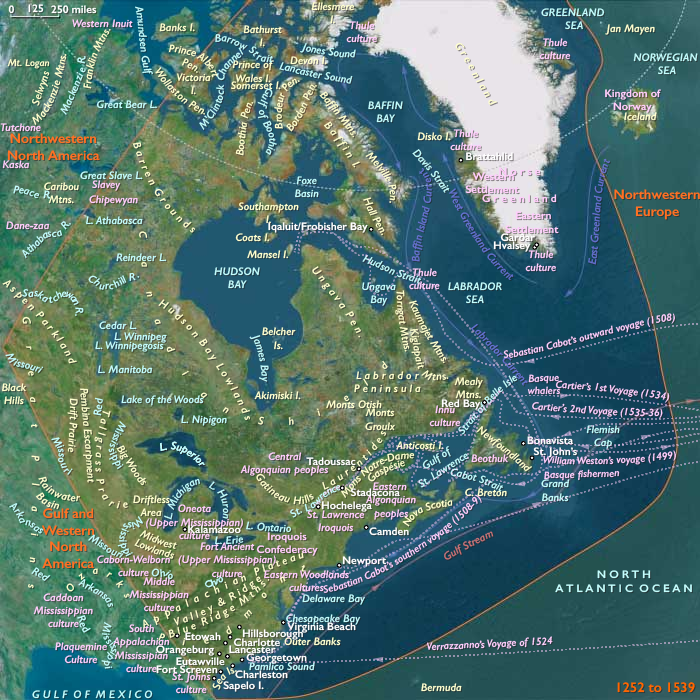
Years: 1396 - 1539
Topics
- Sub-Saharan Africa, Medieval
- Interaction with Subsaharan Africa, Early European
- Colonization of the Americas, Portuguese
- Columbian Exchange
- Colonization of the Americas, Spanish
- Aztec Empire, Spanish conquest of the
- Colonization of the Americas, French
- Colonization of the Americas, German
- Inca Empire, Spanish Conquest of the
- Cartier's explorations of North America
- De Soto's exploration of North America
Commodoties
Subjects
Regions
- West Europe
- North Europe
- East Africa
- Middle Africa
- West Africa
- Southwest Europe
- Northern North America
- West Indies
- South America
Subregions
- Maritime East Africa
- Western Southeast Europe
- Mediterranean Southwest Europe
- Atlantic Southwest Europe
- Atlantic West Europe
- Northwest Europe
- Northeastern North America
- Northern West Indies
- Eastern West Indies
- Western West Indies