Alexander Hamilton, appointed in 1789 first secretary…
1792 CE
During the initial public offering for the Bank of the United States, investors paid twenty-five dollars for a stock, called a scrip, and were required to make three additional payments in six-month intervals totaling three hundred and seventy-five dollars.
These payments were to be twenty-five percent in specie and seventy-five percent in US debt securities.
Demand for stock in the newly formed Bank of the United States had been significant, and prices for scrips had increased dramatically for the first several weeks, reaching two hundred and eighty dollars in New York and reportedly over three hundred dollars n Philadelphia by mid-August.
The market shifts were not sustainable, and within days prices had begun to fall rapidly.
Hamilton had stepped in by working with William Seton, the cashier of the Bank of New York, to authorize the purchase of one hundred and fifty thousand dollars of public debt in New York to be covered by government revenues.
By September 12, prices had recovered, and Hamilton’s intervention had not only stabilized the market but also laid the groundwork for his cooperation with the Bank of New York, which will later be crucial in ending the Panic of 1792.
Commodities
Regions
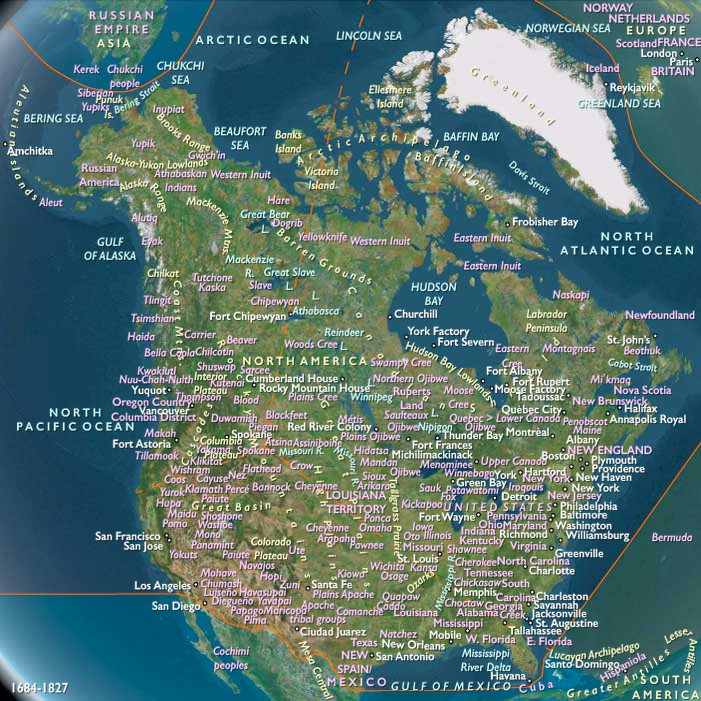
Northern North America
View →Subregions