
Alonso de Salazar Frías and the Investigation …
Years: 1611 - 1611
Alonso de Salazar Frías and the Investigation of the Basque Witch Trials (1611–1614)
Alonso de Salazar Frías, the junior inquisitor of the Logroño tribunal, was a trained lawyer who played a crucial role in ending large-scale witch trials in Spain. In 1611, he was tasked with re-examining the evidence of the Basque witch hysteria, which had resulted in the 1610 auto-da-fé in Logroño, where 12 or 11 accused witches were burned at the stake.
The Edict of Grace and the Investigation (1611)
-
Salazar Frías was given an Edict of Grace, which offered a pardon to those who voluntarily confessed to witchcraft and named their accomplices.
-
He traveled extensively throughout northern Spain, particularly in the Basque countryside near Zugarramurdi, where witches were said to gather in caves and along streams, such as:
- Olabidea (also known as Infernuko Erreka, “Hell’s Stream”), believed to be a meeting place for witches' sabbats.
- The Zugarramurdi cave, which was linked to supernatural legends and accusations of witchcraft.
-
Over the course of 1611, nearly 1,800 people came forward, either confessing under pressure or denouncing others.
Findings and the Collapse of the Witch Trials (1614)
-
After a thorough review, Salazar Frías found no conclusive evidence of actual witchcraft.
-
He noted that many confessions were inconsistent or had been extracted under duress.
-
His final report to the Inquisition stated:
"There were neither witches nor bewitched until they were talked about."
-
By 1614, his arguments convinced the Inquisition to dismiss most witchcraft cases, effectively halting large-scale witch hunts in Spain.
Conclusion: Salazar Frías’ Role in Ending Witch Persecutions in Spain
Thanks to Salazar Frías’ rational legal approach, the Basque witch trials did not escalate further, and Spain never experienced mass witch hunts on the scale of France, Germany, or England. His 1614 report marked a turning point, leading to a more skeptical approach to witchcraft accusations within the Spanish Inquisition, setting it apart from the widespread hysteria that continued in other parts of Europe.
Locations
Groups
- Basque people
- Christians, Roman Catholic
- Inquisition, Spanish
- Navarre, Lower, Kingdom of
- Spain, Habsburg Kingdom of
Topics
Subjects
Regions
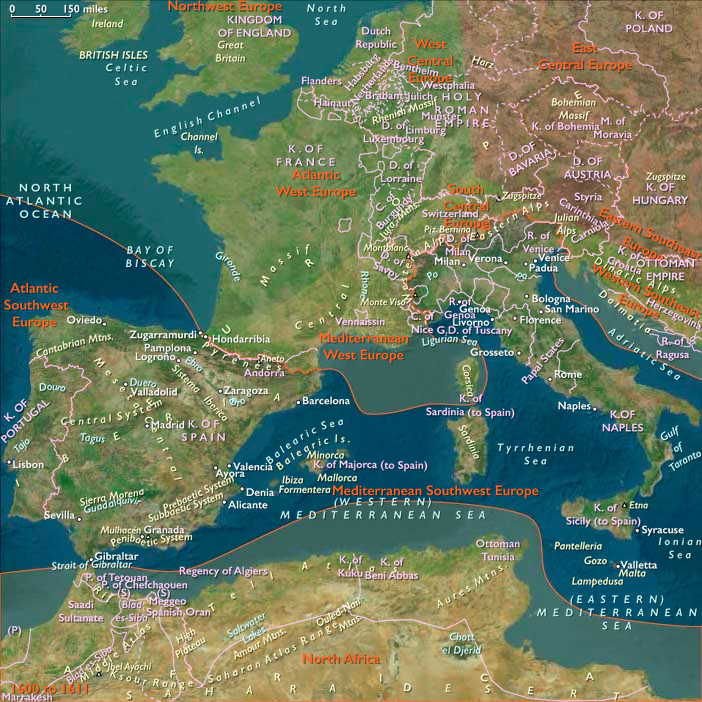
Subregions
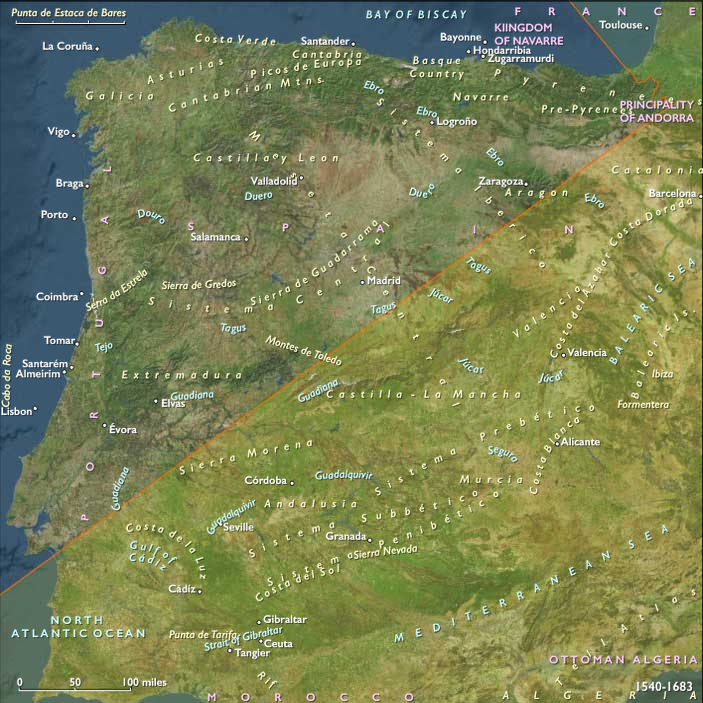
Related Events
Showing 10 events out of 33373 total
Years: 1611 - 1611
Locations
Groups
- Basque people
- Christians, Roman Catholic
- Inquisition, Spanish
- Navarre, Lower, Kingdom of
- Spain, Habsburg Kingdom of
Topics
Subjects
Regions
Subregions