David Walker, born as free black in…
September 1829 CE
David Walker, born as free black in Wilmington, North Carolina, to an enslaved father and a free mother, witnessed the cruelty of slavery during his childhood in North Carolina: later in life he remembered watching as a black slave was forced to whip his own mother to death.
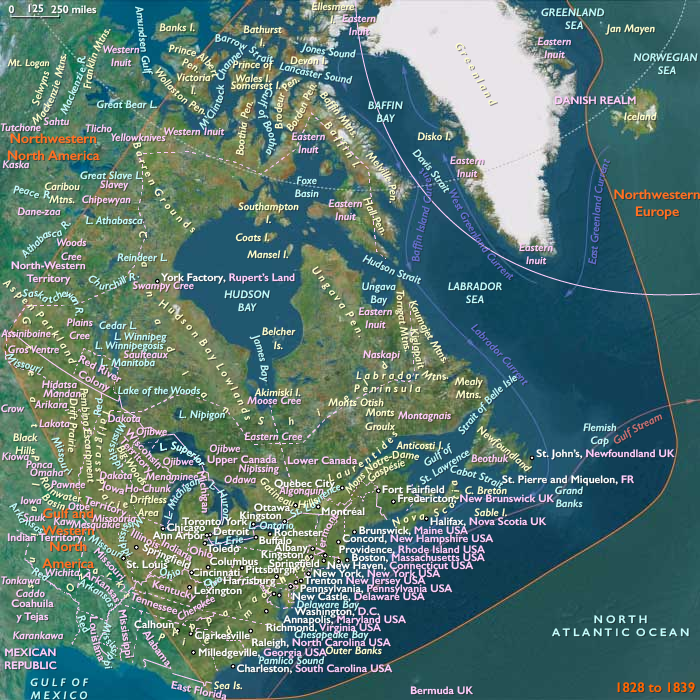
As an adult, he left the South and traveled the country, eventually settling in Boston, where he supported himself by opening a used clothing store on the waterfront during the 1820s.
Walker made acquaintances with black rights activists in Boston and began to write and speak against slavery and racism.
He wrote many articles for Freedom's Journal, an early African American newspaper based out of New York City, and, in 1828, he had joined the Massachusetts General Colored Association, which had been organized in 1826.
A Boston printer on September 228, 1829, publishes a seventy-six-page pamphlet entitled Walker's Appeal, in Four Articles; Together with a Preamble, to the Coloured Citizens of the World, but in Particular, and Very Expressly, to Those of the United States of America.
David Walker, through the MGCA, had secured the assistance of Walker Lewis, a prominent African American abolitionist and Freemason.
Lewis got the same printer who had published the Articles of the Grand African Lodge #1 to also publish the controversial Appeal.
In the Appeal, Walker argues that African Americans suffer more than any other people in the history of the world.
He identifies four causes for their "wretchedness:" slavery, a submissive and cringing attitude towards whites (even among free blacks), indifference by Christian ministers, and false help by groups such as the American Colonization Society, which promised freedom from slavery only on the condition that freed blacks would be forced to leave America for colonies in West Africa.
The pamphlet calls for immediate, universal, and unconditional emancipation—an uncommon position, even among antislavery activists, in the 1820s—and in particular condemned colonization plans.
Walker goes even further, openly praising slaves who used violence in self-defense against their masters and overseers, and suggests that slaves kill their masters in order to gain freedom.
Walker distributes his work through black civic associations in Northern cities, and tries many different schemes to get the pamphlet to slaves and free blacks in the South.
People
Commodities
Subjects
Regions
Northern North America
View →Subregions