
Filters:
The Final Defeat of Dom António: The …
Years: 1580 - 1580
December
The Final Defeat of Dom António: The Fall of Porto and the Spanish Conquest of Portugal (1580)
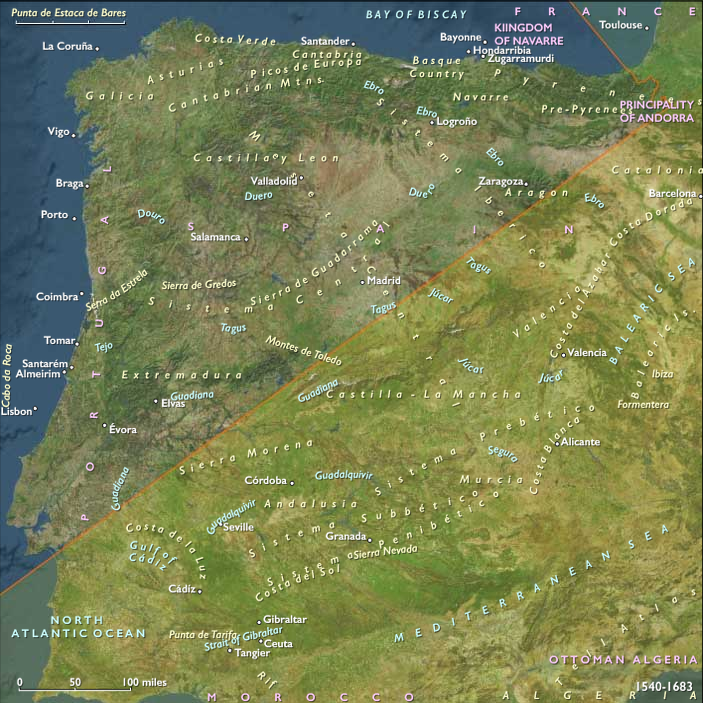
Following his crushing defeat at the Battle of Alcântara (August 25, 1580), Dom António, Prior of Crato, fled northward with the remnants of the Portuguese army, hoping to reassemble his forces in Porto. However, Spanish troops under Don Sancho d’Ávila pursued him and delivered a final, devastating blow to his resistance.
The Defeat at Porto (Late 1580)
- After the fall of Lisbon, Dom António and his decimated army retreated toward Porto, one of the last remaining Portuguese strongholds.
- His intention was to regroup and launch a counteroffensive, but his forces were demoralized, fragmented, and poorly equipped.
- Spanish forces under Don Sancho d’Ávila pursued them aggressively, ensuring no time for reorganization.
- In a final decisive battle near Porto, António’s troops were completely destroyed, effectively ending his ability to resist Spanish rule.
The End of Portuguese Resistance
- By the end of 1580, nearly all of Portugal was under Spanish control, with only a few isolated areas resisting occupation.
- Philip II of Spain secured his rule over Portugal, establishing the Iberian Union (1580–1640), under which Portugal remained under Spanish control for the next 60 years.
- Dom António escaped into exile, continuing to claim the Portuguese throne from abroad, but he never regained power.
Conclusion: The Complete Spanish Takeover of Portugal
The fall of Porto marked the final collapse of Portuguese military resistance to Spanish rule in 1580. With most of the country under Spanish control, Philip II solidified his claim to the Portuguese throne, integrating Portugal into his vast empire. Though Portugal retained some autonomy, Spanish rule would remain unpopular, setting the stage for Portugal’s eventual rebellion and restoration of independence in 1640.
Locations
People
Groups
Topics
Commodoties
Subjects
Regions

Subregions
Years: 1580 - 1580
December
Locations
People
Groups
Topics
Commodoties
Subjects
Regions
Subregions