
Diocletian’s Reforms: Strengthening the Roman Empire (Late …
Years: 292 - 303
Diocletian’s Reforms: Strengthening the Roman Empire (Late 3rd–Early 4th Century CE)
After securing Rome’s borders through successful military campaigns, Emperor Diocletian (r. 284–305 CE)implemented a series of sweeping reforms aimed at stabilizing and strengthening the empire’s bureaucracy, military, and economy. These reforms laid the foundation for the Late Roman Empire and influenced imperial governance for centuries.
1. Administrative Reorganization: Decentralizing Power
- Diocletian restructured the provinces, creating smaller, more manageable units to prevent governors from amassing too much power.
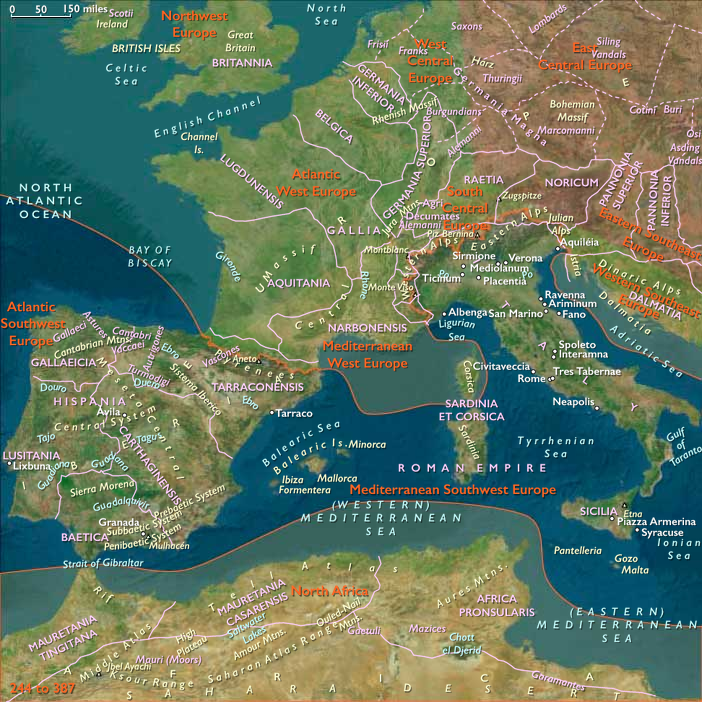
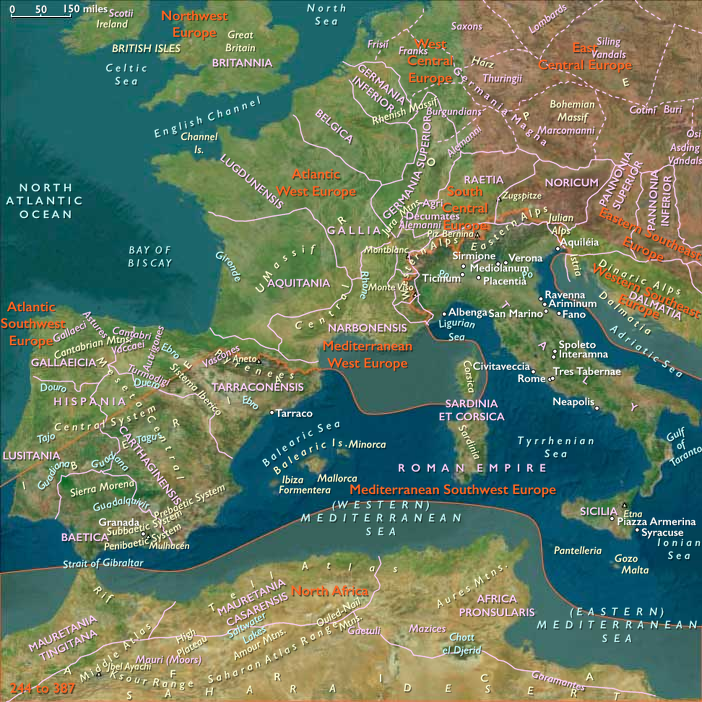
- He expanded the number of provinces from about 50 to over 100, grouping them into larger dioceses, each overseen by a vicarius (imperial deputy).
- This system improved local governance while ensuring imperial control remained strong.
2. Military Expansion and Mobility
- Diocletian expanded the Roman army, increasing its size and mobility to better respond to threats on multiple fronts.
- He divided the military into two forces:
- Limitanei (border troops) who defended fortifications along frontiers.
- Comitatenses (mobile field armies) who could rapidly deploy to crises.
- These reforms helped secure Rome’s borders, reducing the empire’s vulnerability to external invasions.
3. Economic and Tax Reforms: A Stable Financial System
- Diocletian introduced a uniform tax code, making the system more efficient and predictable.
- He implemented the capitatio-iugatio system, which calculated taxes based on land, population, and economic productivity.
- To combat inflation, he issued the Edict on Maximum Prices (301 CE) to control wages and commodity prices, though its effectiveness was limited.
4. Legacy of Diocletian’s Reforms
- His administrative and military policies created a more centralized and efficient empire.
- While some of his economic measures failed, they set the stage for later fiscal reforms under Constantine the Great.
- His policies delayed the collapse of the Western Roman Empire and allowed the Eastern Roman (Byzantine) Empire to thrive for centuries.
Diocletian’s reforms transformed the Roman state, ensuring greater stability, security, and control, making him one of the most significant emperors in Late Antiquity.
People
Groups
Commodoties
Subjects
Regions
Subregions
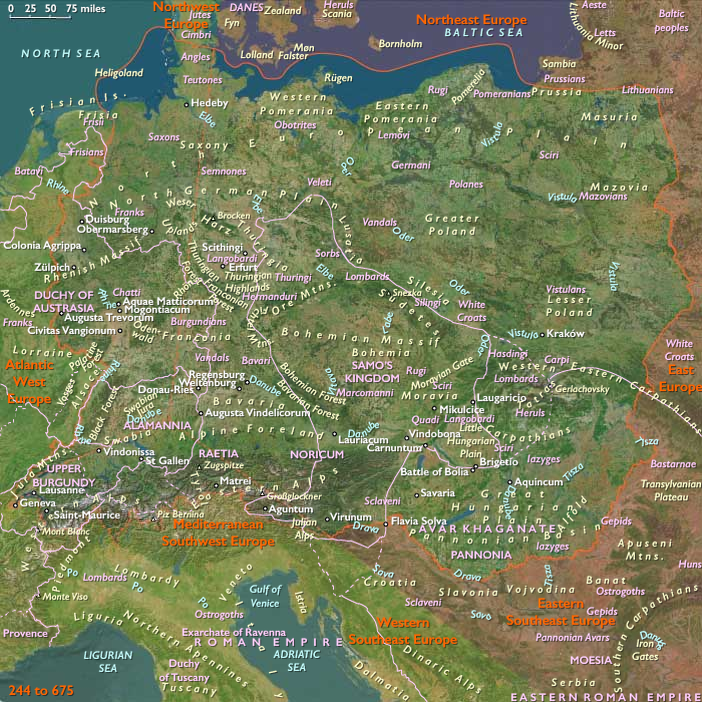
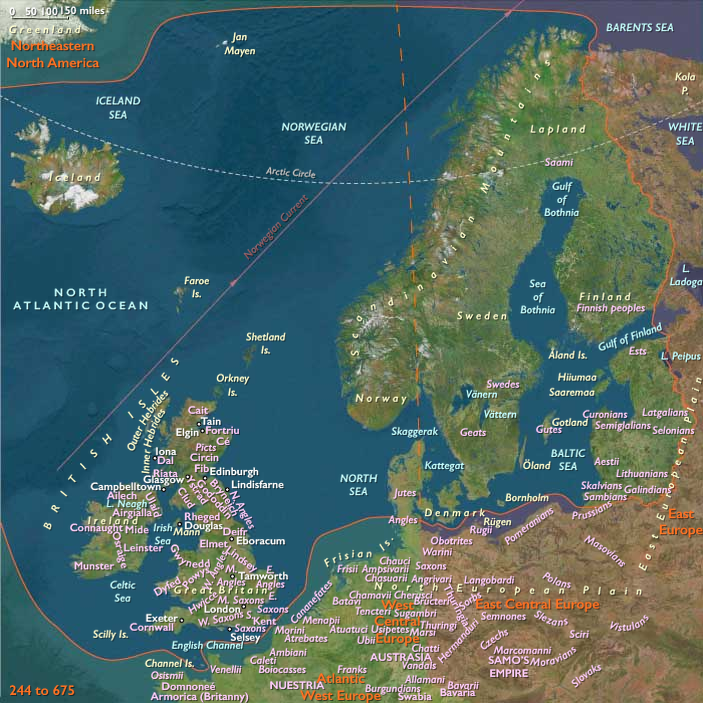
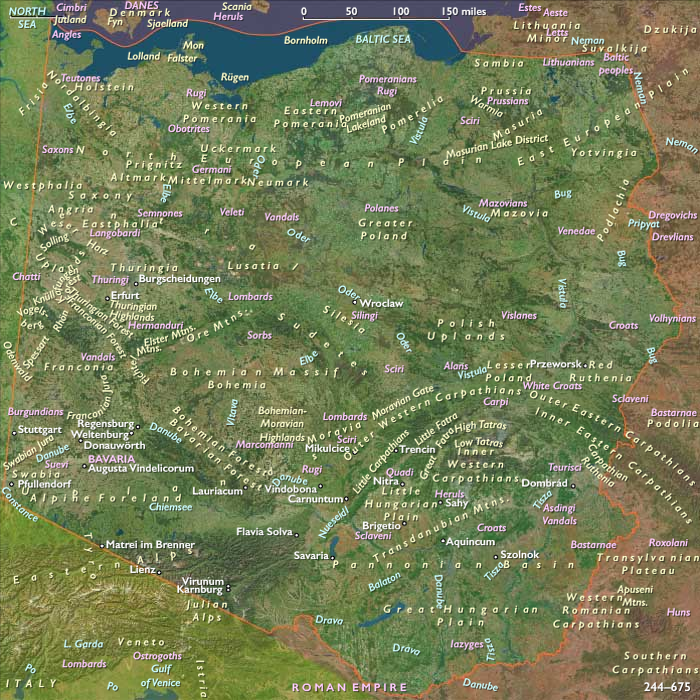
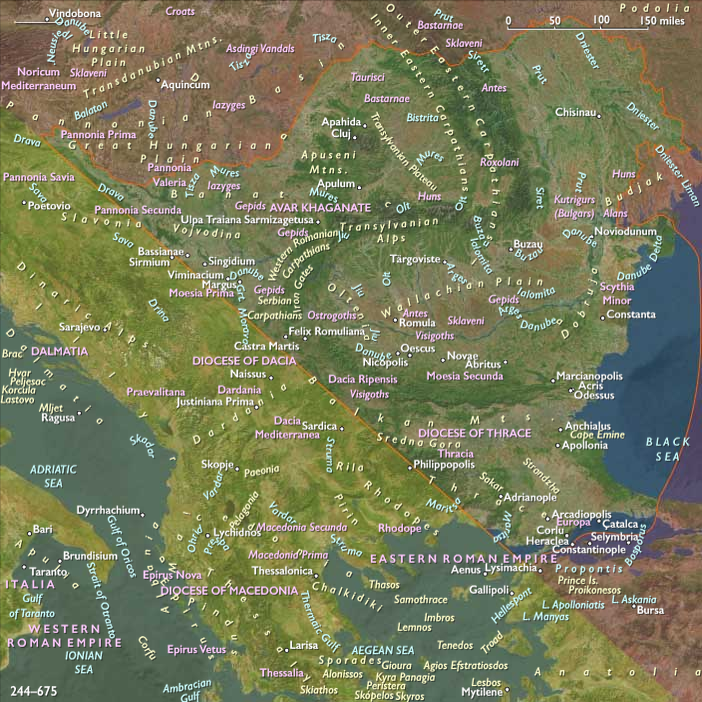
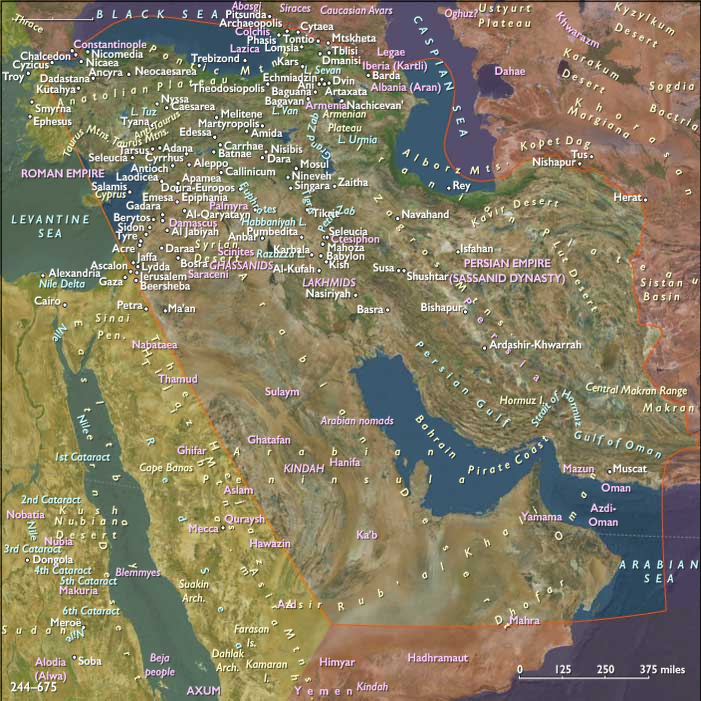
- East Central Europe
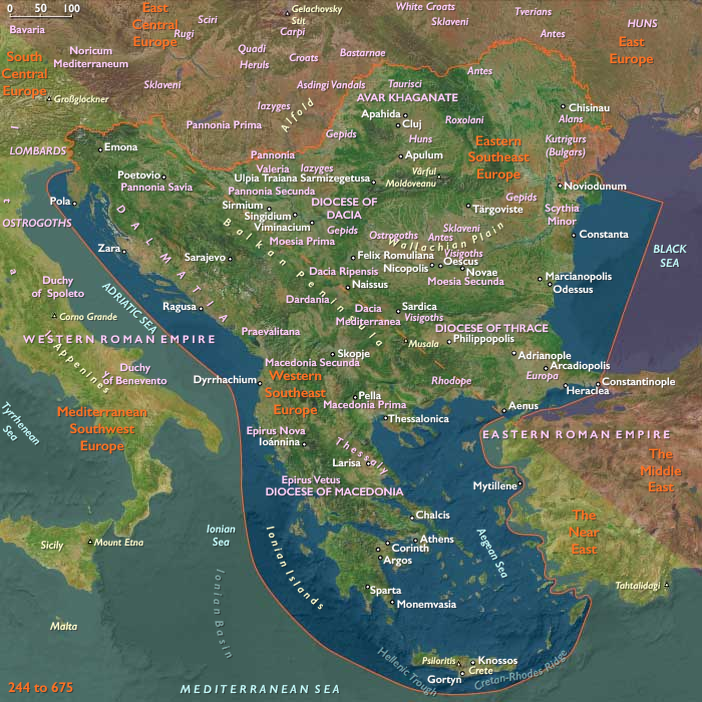
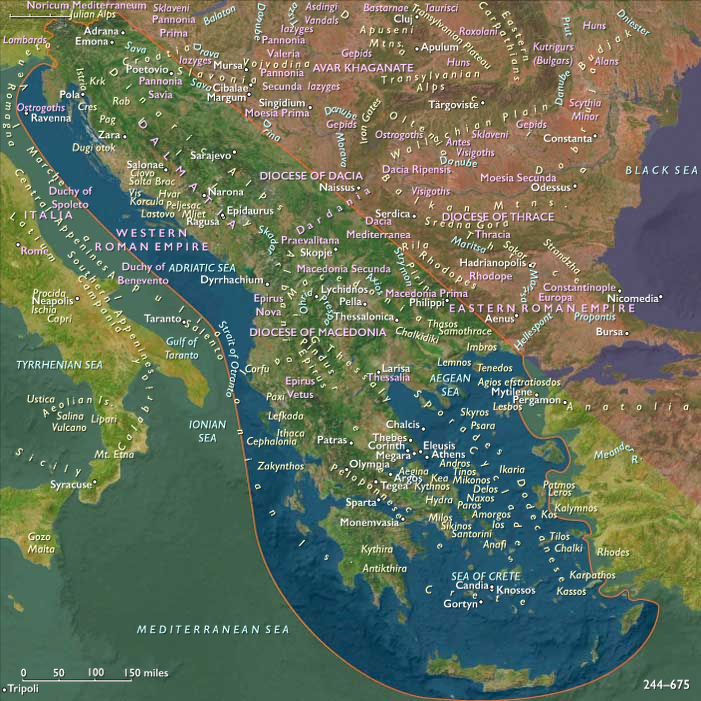
- Eastern Southeast Europe
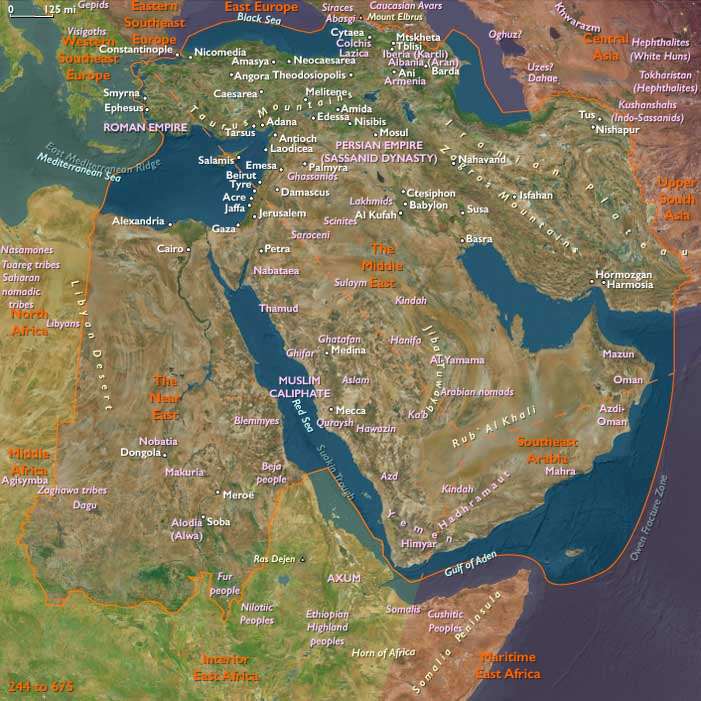
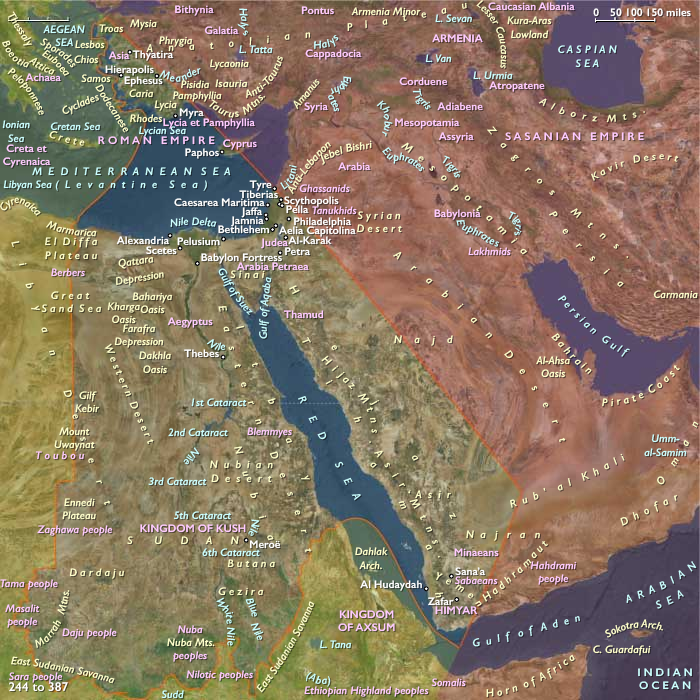
- Middle East
- Near East
- Western Southeast Europe
- South Central Europe
- Mediterranean West Europe
- Mediterranean Southwest Europe
- North Africa
- Atlantic Southwest Europe
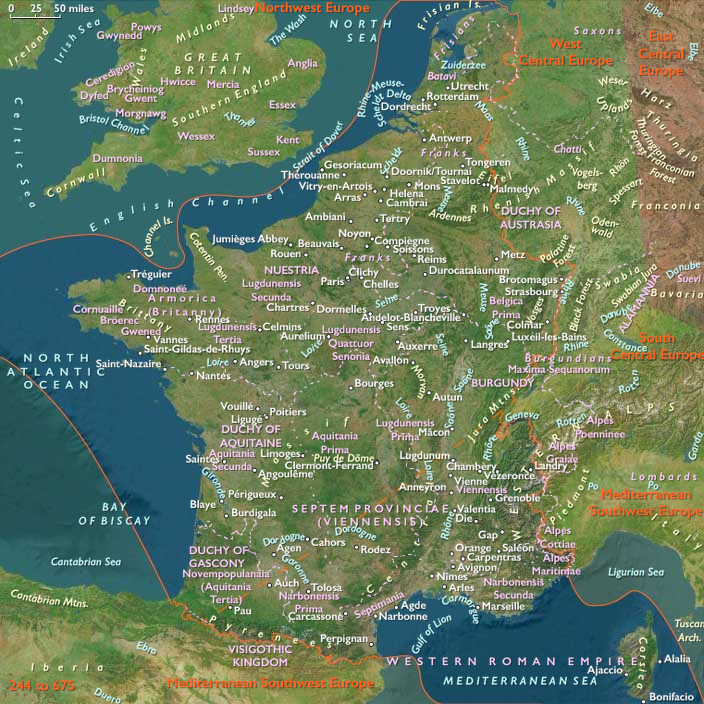
- Atlantic West Europe
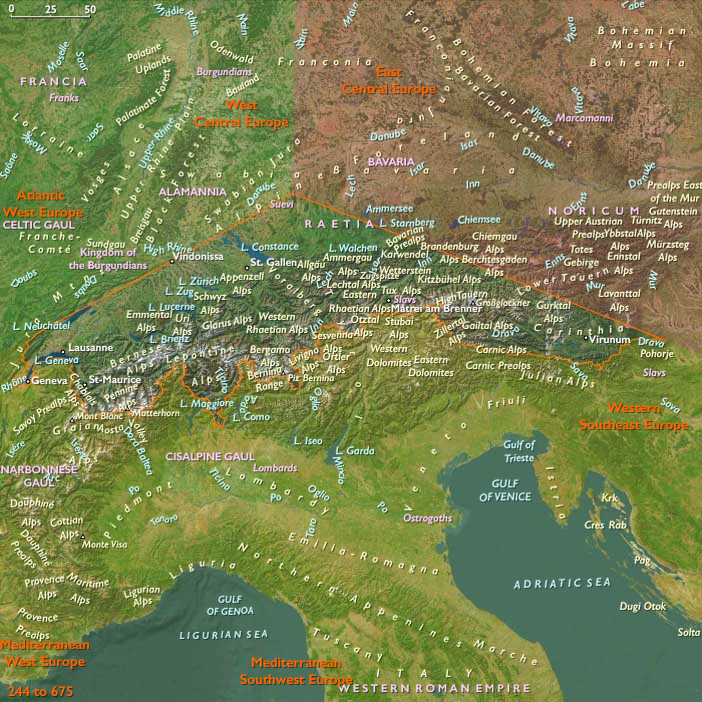
- West Central Europe
- Northwest Europe
Related Events
Showing 10 events out of 60112 total
Years: 292 - 303
People
Groups
Commodoties
Subjects
Regions
Subregions
- East Central Europe
- Eastern Southeast Europe
- Middle East
- Near East
- Western Southeast Europe
- South Central Europe
- Mediterranean West Europe
- Mediterranean Southwest Europe
- North Africa
- Atlantic Southwest Europe
- Atlantic West Europe
- West Central Europe
- Northwest Europe