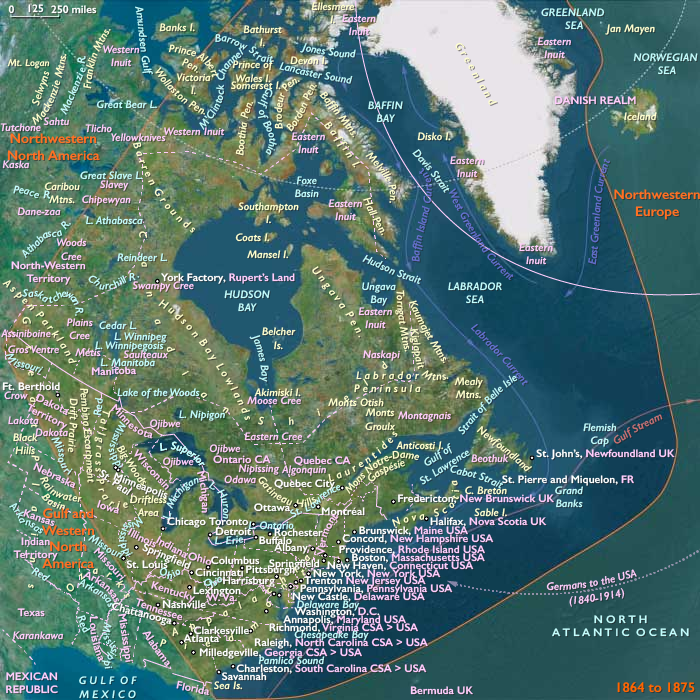
Lincoln had appointed provisional military governors for…
July 1864 CE
Lincoln had appointed provisional military governors for Louisiana, Tennessee, and North Carolina as early as 1862.
The following year, initial steps had been taken to reestablish governments in newly occupied states in which at least ten percent of the voting population had taken the prescribed oath of allegiance, the so-called Ironclad oath to the effect they had never in the past supported the Confederacy.
The Radical Republicans in Congress, aware that the presidential plan omits any provision for social or economic reconstruction, resent such a lenient political arrangement under solely executive jurisdiction.
The Radicals counter Lincoln's “Ten Percent Plan” in 1864 with the stricter Wade-Davis Bill, which requires a majority of the electorate to take the loyalty oath and excludes far more former Confederates from participation in the restored governments.
Lincoln, who wants to mend the Union by carrying out the Ten percent plan, believes it would be too difficult to repair all of the ties within the Union if the Wade–Davis bill passes.
When both houses of Congress pass the bill on July 2, 1864, Lincoln pocket vetoes the measure, angering the Radicals and launching them on a short-lived drive to deny Lincoln re-nomination.
People
Groups
Topics
Regions
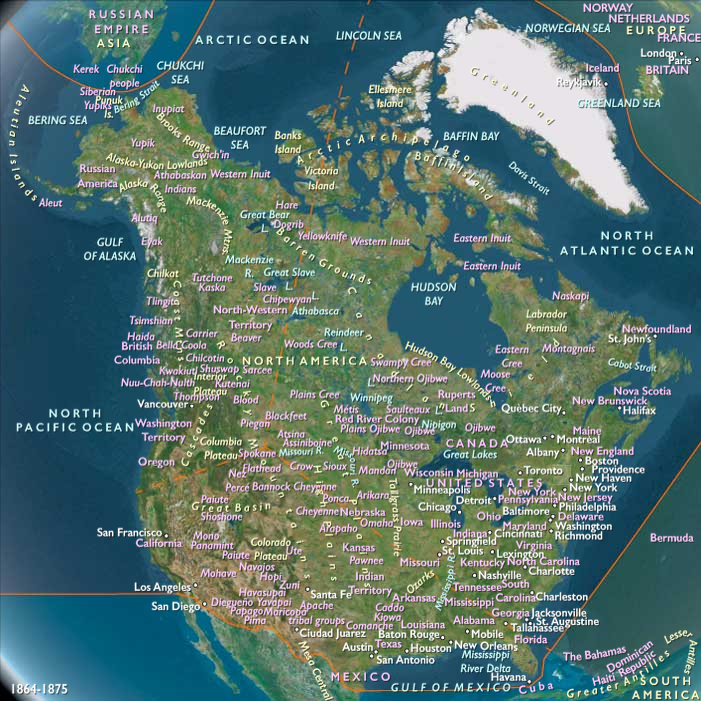
Northern North America
View →Subregions