Event
The area now comprising Finland began to…
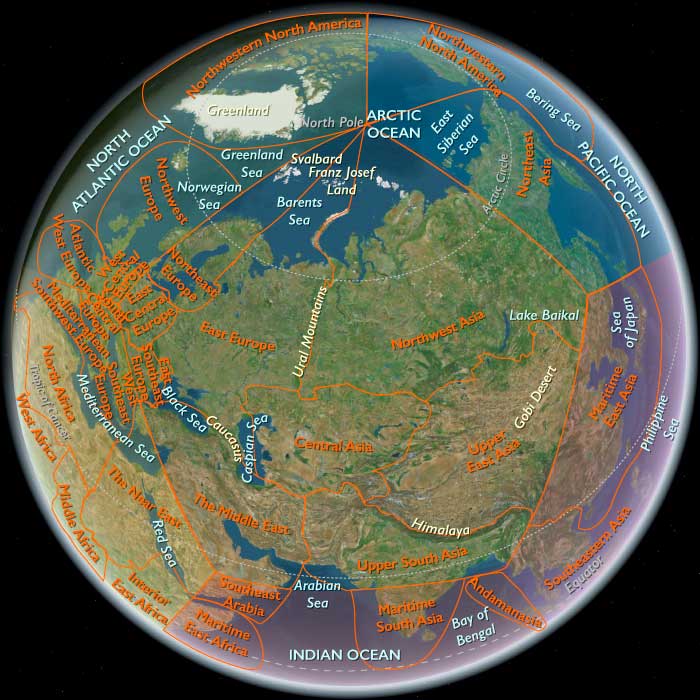
The area now comprising Finland began to be settled, according to archaeological evidence, at the latest around 8500 BCE during the Stone Age as the ice sheet of the last ice age receded.
The development of the European Mesolithic takes place concurrently with major environmental changes beginning about 8300, according to radiometric age-dating.
The onset of the warmer climate of the Holocene brings the retreat of the glacial sheet from northern Europe, a rise in sea level, and the gradual replacement of the herbaceous steppes and tundras by forests.
On the northern European plains, the pioneering and technologically inventive groups of the Maglemosian settlements spread within the recently deglaciated areas, especially along the Scandinavian coasts.
The artifacts the first settlers leave behind present characteristics that are shared with those found in Estonia, Russia, and Norway.
Hunters following the reindeer northward have, by 8000, spread into many parts of Scandinavia.
Settlements at Øvre Eiker and Nedre Eiker in present-day Buskerud, Norway are established around 8000 BCE, as are settlements at Ærø, one of the Danish Baltic Sea islands.
-
{# Image navigates to the detail page; the magnifying-glass chip is the only Fancybox lightbox trigger (kept a separate sibling — anchors can't nest). #}
 The Great Crossroads
World
-
{# Image navigates to the detail page; the magnifying-glass chip is the only Fancybox lightbox trigger (kept a separate sibling — anchors can't nest). #}
 North Europe
Region
-
{# Image navigates to the detail page; the magnifying-glass chip is the only Fancybox lightbox trigger (kept a separate sibling — anchors can't nest). #}
 Northeast Europe
Subregion