...Bordeaux, and, eventually, Amsterdam. Settlement in Northwestern…
1492 CE to 1503 CE
...Bordeaux, and, eventually, Amsterdam.
Settlement in Northwestern Europe: Bayonne and Bordeaux
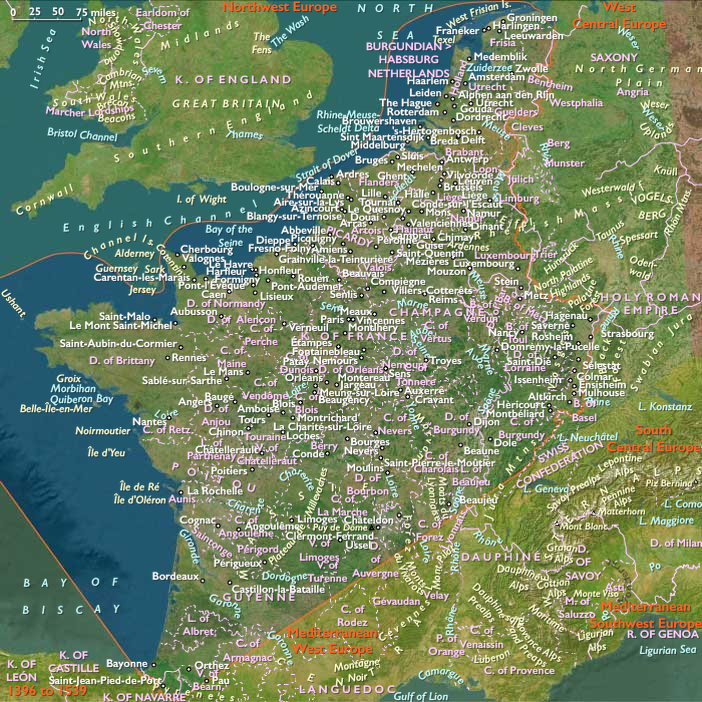
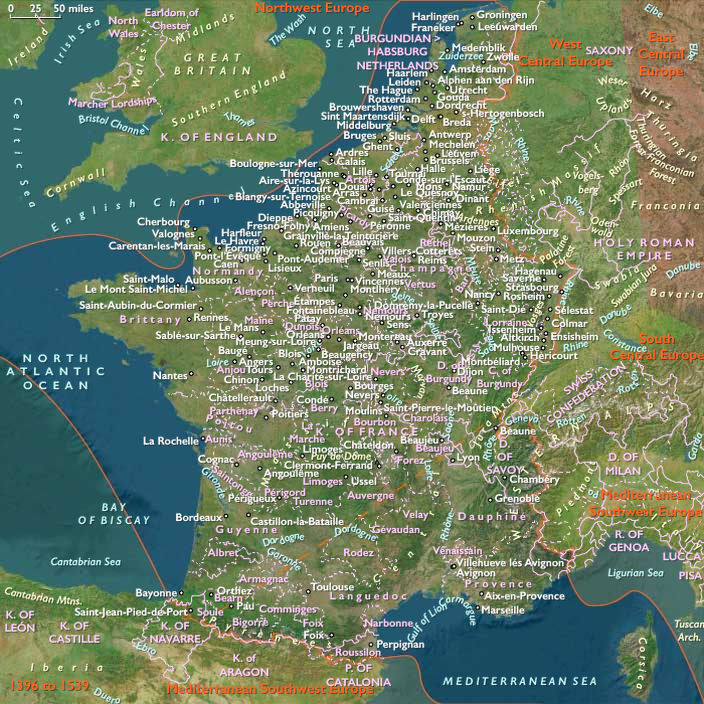
Among the earliest Sephardic settlements in northwestern Europe, the French cities of Bayonne and Bordeaux rapidly became central hubs. These towns, located strategically on France’s Atlantic coast, provided refuge and opportunities for trade and commerce. The newly arrived Sephardim brought with them vital commercial connections, linguistic skills (particularly in Castilian and Portuguese), and specialized expertise in finance, commerce, medicine, and crafts.
The influx profoundly shaped local economies. Sephardic merchants helped revitalize trade networks, notably those linking France to Iberia and Northern Europe. Particularly significant was the growth of Bordeaux as a thriving mercantile hub, where Sephardic communities facilitated wine exports and international trade, fueling economic prosperity in the ensuing century.
Conversos and Marranos: Identity and Persecution
Alongside openly Jewish refugees, large numbers of Iberian converts, known as Conversos or pejoratively as Marranos, also settled in these towns. Although outwardly converted to Christianity, many secretly maintained Jewish customs, living under constant suspicion and threat of persecution. This dual existence led to persistent tensions, social conflicts, and recurring accusations of heresy, deeply impacting these northern European communities and fostering new cultural identities built upon secrecy and resilience.
Ladino and Cultural Legacies
The expelled Sephardim brought with them their distinctive language, Ladino, a dialect blending Castilian Spanish and Hebrew influences. Ladino subsequently became an enduring element of Sephardic identity, helping maintain communal cohesion in exile. Although primarily established in Mediterranean and Ottoman territories, pockets of Ladino-speaking communities briefly emerged even in France before assimilation and shifts toward local languages occurred.
Long-term Historical Consequences
The arrival of Iberian Jewish exiles in towns such as Bayonne and Bordeaux had lasting cultural, economic, and social implications. The Sephardic communities enriched local economies, facilitated wider commercial networks, and significantly contributed to the subsequent emergence of Amsterdam as an important hub for European commerce, finance, and cultural innovation.
Indeed, Amsterdam's rise as a leading center for commerce, finance, and religious tolerance by the seventeenth century owed much to the dynamic Sephardic communities established in the decades following 1492. Thus, the forced migration from Iberia to northwestern Europe initiated a significant demographic and cultural shift, reshaping European urban society and economy, and reflecting the enduring impact of the expulsions from Iberia during this transformative period in European history.
Locations
Groups
Regions
West Europe
View →Subregions