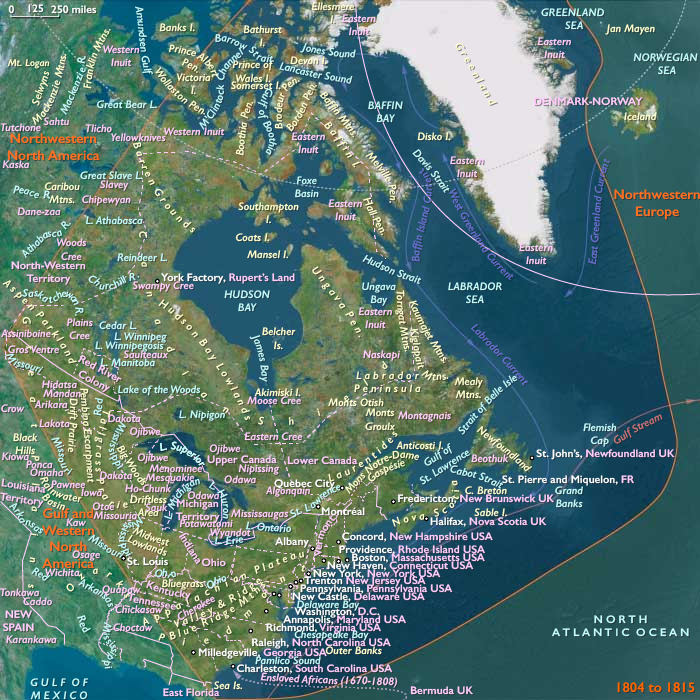
Burr's trial, presided over by Chief Justice…
September 1807 CE
Article 3, Section 3 of the United States Constitution requires that treason either be admitted in open court, or proven by an overt act witnessed by two people.
Since no two witnesses had come forward, Burr is acquitted on September 1, in spite of the full force of the Jefferson administration's political influence thrown against him.
Burr is immediately tried on a misdemeanor charge and was again acquitted, but he will remain under a cloud of suspicion and distrust.
Given that Jefferson has been using his influence as president in an effort to obtain a conviction, the trial has been a major test of the Constitution and the concept of separation of powers.
Jefferson had challenged the authority of the Supreme Court, specifically Chief Justice Marshall, an Adams appointee who had clashed with Jefferson over John Adams' last-minute judicial appointments.
Jefferson believed that Burr's treason was obvious.
Burr had sent a letter to Jefferson in which he stated that he could do Jefferson much harm.
The case as tried had been decided on whether Aaron Burr was present at certain events at certain times and in certain capacities.
Groups
Commodities
Subjects
Regions
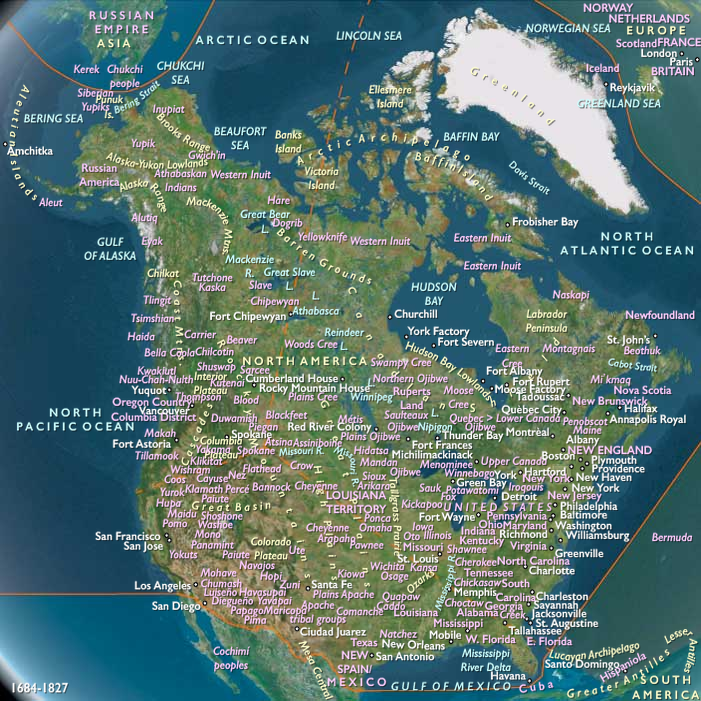
Northern North America
View →Subregions