The Emergence of Chamber Tombs and Megalithic…
3933 BCE to 3790 BCE
The Emergence of Chamber Tombs and Megalithic Burial Practices (c. 4000 BCE)
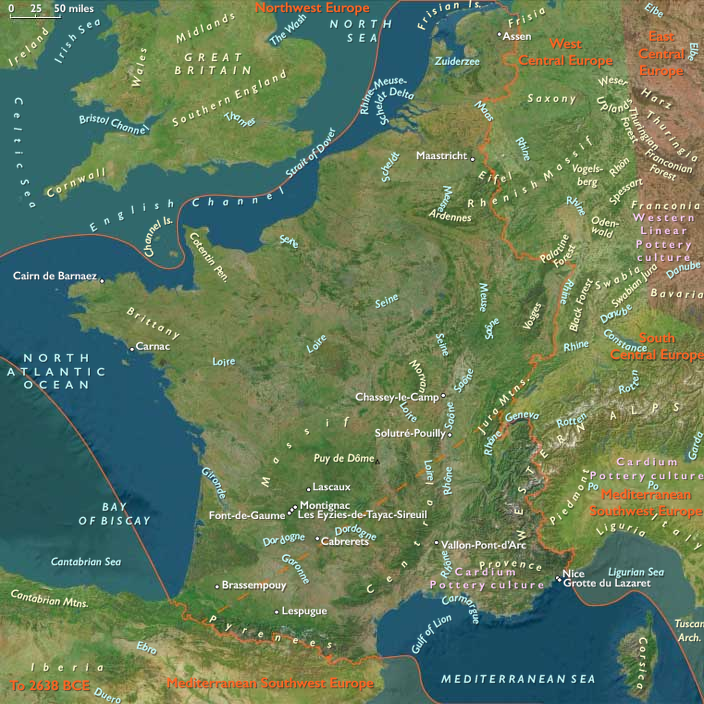
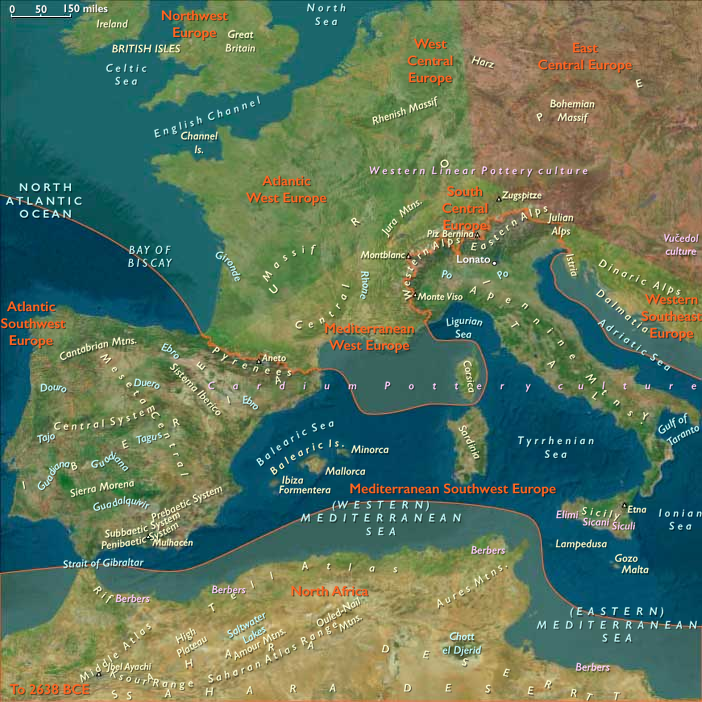
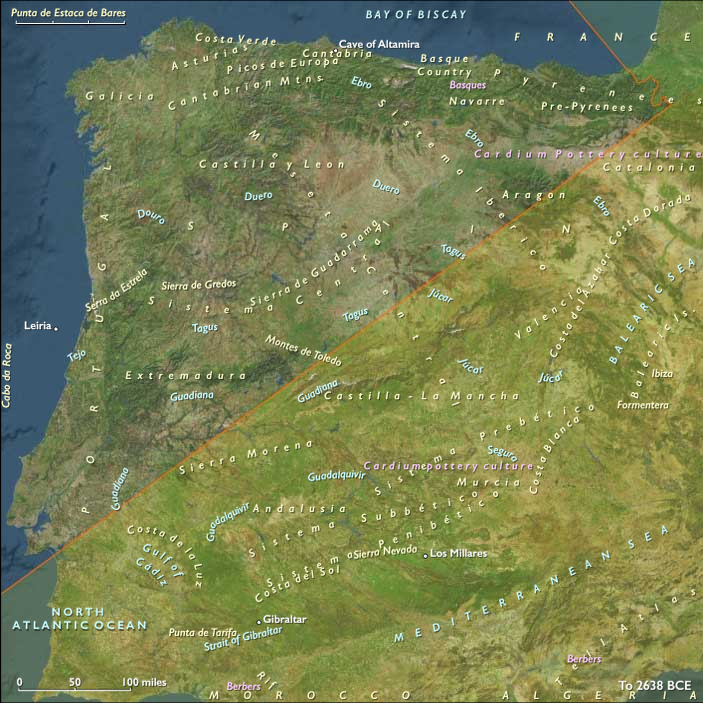
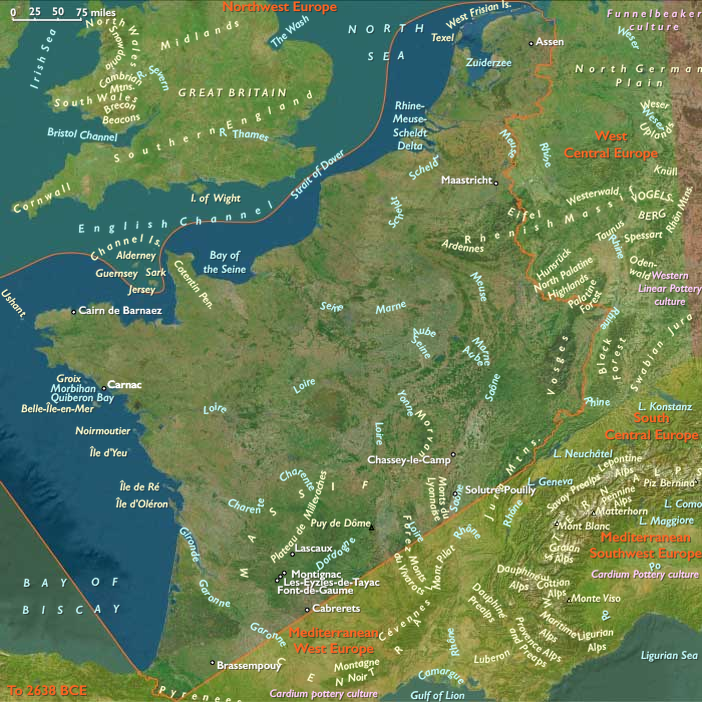
Around 4000 BCE, the construction of chamber tombs began in multiple regions, marking a significant evolution in Neolithic funerary traditions. These megalithic structures, found in areas such as Brittany (Carnac), Portugal (Lisbon), central and southern France, Corsica, England, and Wales, reflect the increasing complexity of burial practices and the growing importance of rituals honoring the dead.
Characteristics of Chamber Tombs
- Constructed using large stone slabs (megaliths), forming a burial chamber often covered with a mound (tumulus) or stone cairn.
- Multi-phase burials, suggesting continued use over generations.
- Often aligned with astronomical markers, indicating possible ritual significance tied to seasonal cycles.
Regional Variations in Megalithic Tombs
- Brittany (Carnac):
- Large dolmens and passage tombs, such as those at Barnenez, one of Europe's oldest megalithic monuments.
- Portugal (Lisbon region):
- Early megalithic tombs and passage graves, precursors to later Iberian megalithic traditions.
- Central and Southern France:
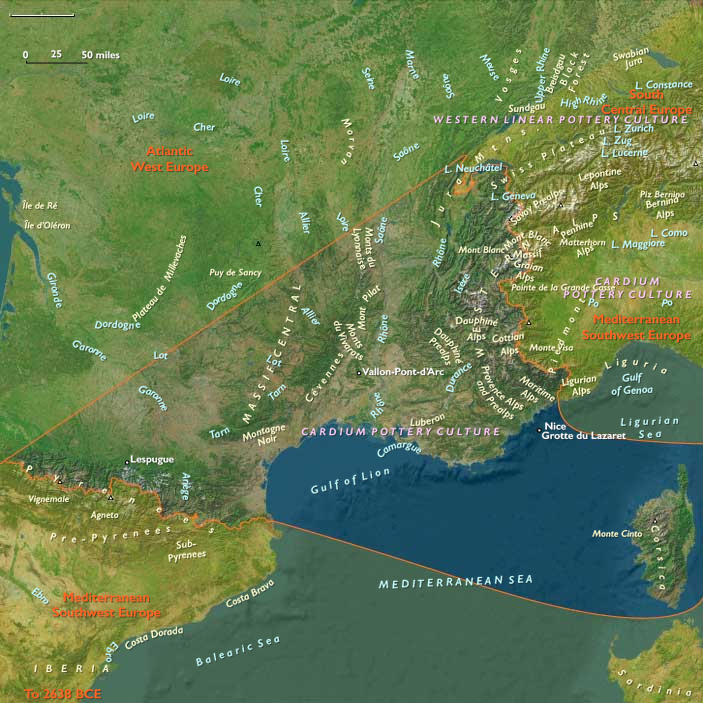
- Dolmens and corridor tombs, marking the emergence of regional funerary traditions.
- Corsica:
- Rock-cut tombs and megalithic burial structures, blending local and external influences.
- England and Wales:
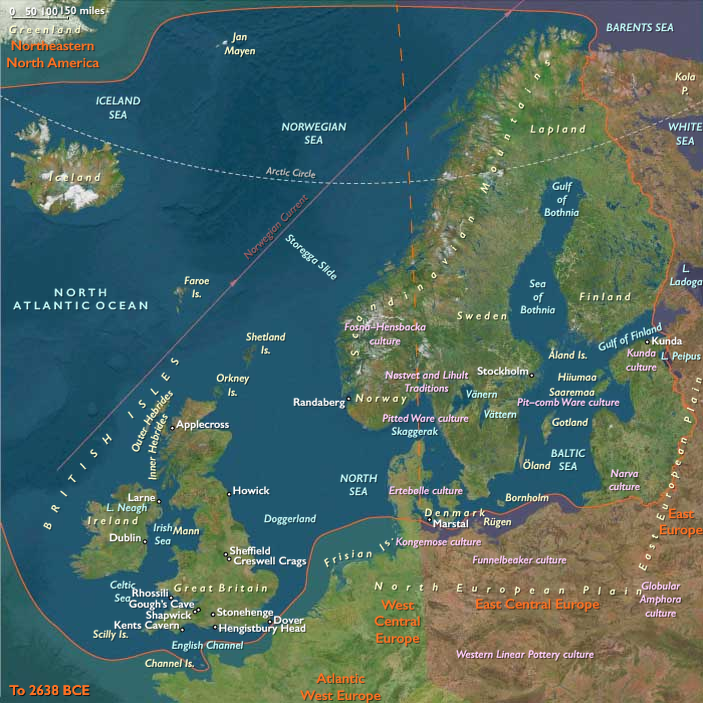
- Long barrows and chambered cairns, such as West Kennet Long Barrow and Pentre Ifan, demonstrating a complex approach to collective burial.
Significance of Chamber Tombs in Neolithic Societies
- Represent a shift from simple individual burials to collective tombs, reflecting changes in social organization and ancestral veneration.
- Suggest a growing belief in an afterlife and the ritual importance of the dead in maintaining community identity.
- Serve as monumental focal points, reinforcing territorial claims and cultural continuity among Neolithic groups.
The rise of chamber tombs around 4000 BCE illustrates how Neolithic societies across Europe developed intricate burial practices, emphasizing ritual, memory, and social cohesion, setting the stage for later megalithic traditions.