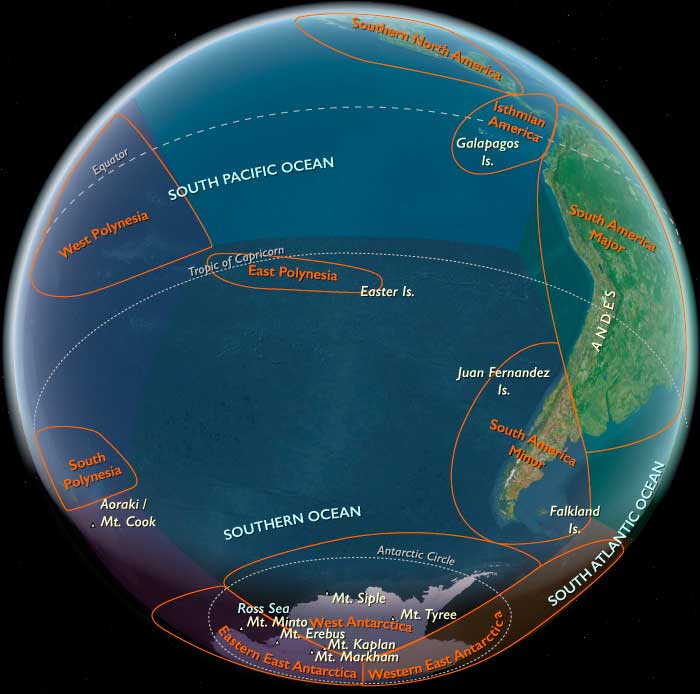
Event
Chile’s new Royal Governor, Martín García Óñez…
Chile’s new Royal Governor, Martín García Óñez de Loyola, insistent on penetrating Mapuche territory with an army of soldiers coming directly from Panama, had established fort Santa Cruz de Oñez on the Rele River near the confluence of the Bio-Bio and Laja Rivers in May of 1594.
The fort had been elevated to the rank of city in 1595, giving it the name of Santa Cruz de Coya, named for his wife Beatriz Clara Coya, a member of the royal Incan house.
The Mapuche call the city Millacoya, meaning gold princess from the mapudungun milla, gold and the quechua coya, princess.
The site is in an elevated location but with a shortage of water.
Gold mines are located across the Rele on a stream called Millapoa.
Oñez de Loyola becomes the second governor of Chile to die in war with the Mapuches when he is surprised on December 21, 1598, by Pelantaro, the toqui or military leader of the Mapuche people, in the Disaster of Curalaba.
Thus begins a general uprising that results in a six year struggle called the Destruction of Seven Cities, which will eliminate all Spanish settlements south of the Bio-Bio River with the exception of those in Chiloé Archipelago.
The viceroy of Peru hastily appoints Francisco de Quiñónez as a replacement for the deceased Loyola.
He is an experienced military man with great prudence but with little aptitude for the crisis that he has been called upon to face.
This governor discovers the terrible state of the colony and asks urgently for reinforcements while trying to support those places that are possible to defend.
Things are soon out of his control despite everything that has been done to stabilize the situation, and he sickens and asks for his relief.
-
{# Image navigates to the detail page; the magnifying-glass chip is the only Fancybox lightbox trigger (kept a separate sibling — anchors can't nest). #}
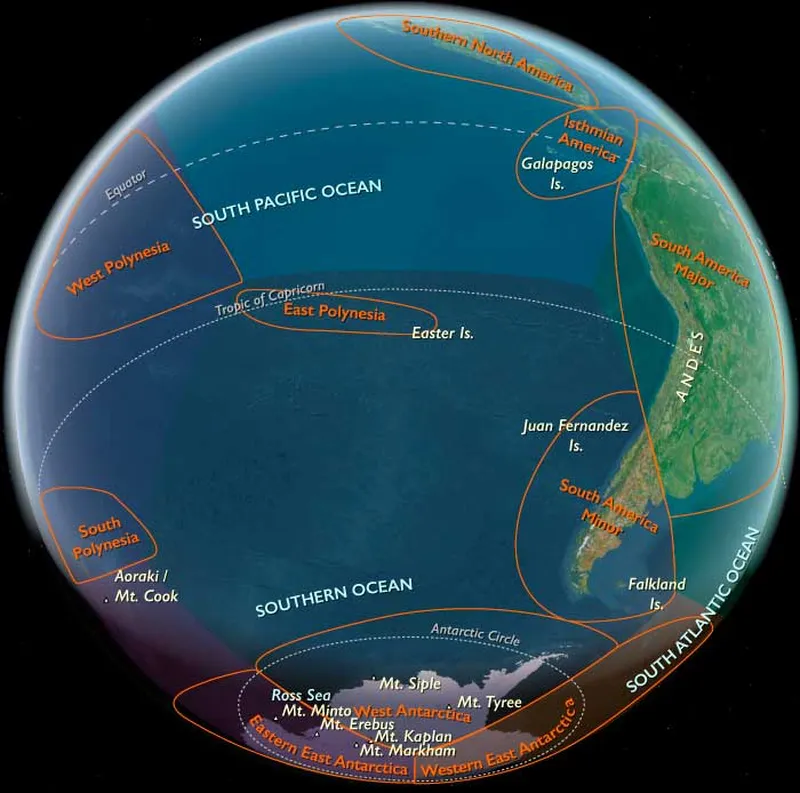 The Ends of the Earth
World
-
{# Image navigates to the detail page; the magnifying-glass chip is the only Fancybox lightbox trigger (kept a separate sibling — anchors can't nest). #}
 South America
Region
-
{# Image navigates to the detail page; the magnifying-glass chip is the only Fancybox lightbox trigger (kept a separate sibling — anchors can't nest). #}
 Subcontinental South America
Subregion